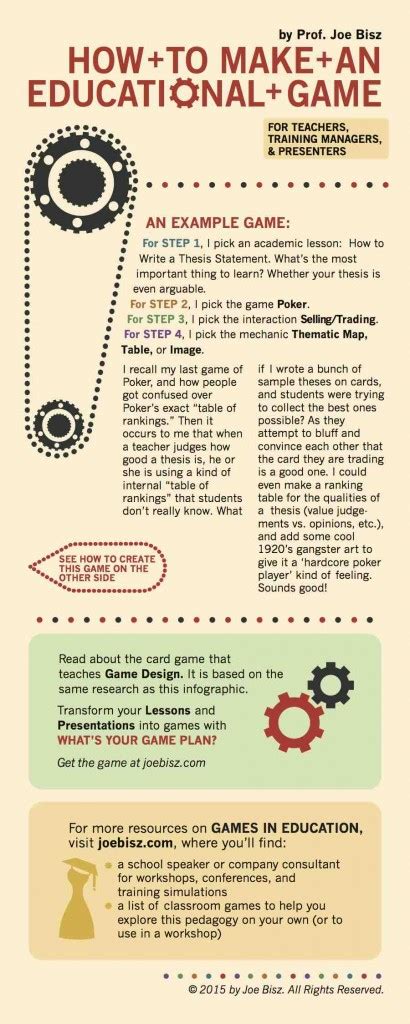
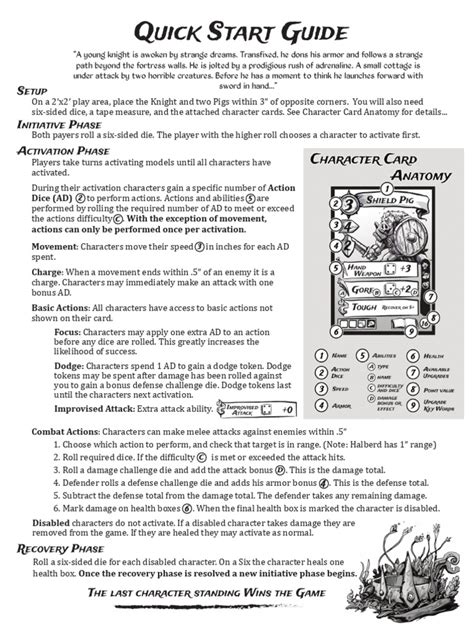
How to structure game tutorials for true beginners, avoiding jargon?

Understanding the True Beginner Mindset
Designing effective game tutorials for true beginners is paramount for player retention and enjoyment. A true beginner isn’t just new to your game; they might be new to the genre, or even new to gaming itself. This audience requires a delicate approach, where every assumption about prior knowledge is discarded, and every piece of information is presented with utmost clarity, free from industry-specific jargon.
The goal is to gently onboard players, transforming overwhelming complexity into manageable steps, fostering a sense of accomplishment rather than frustration. Forget what you know about game mechanics and put yourself in the shoes of someone who doesn’t even know how to move a character or interact with the environment.

Core Principles for Jargon-Free Onboarding
1. Start with the Absolute Basics, Implicitly
Begin with the most fundamental interactions: how to move, how to look around, and how to select something. Often, these can be taught through intuitive design rather than explicit instructions. For example, presenting a clear path forward naturally encourages movement. Use universal icons and visual cues instead of text if possible.
2. One Concept, One Focus
Overloading new players with too many new mechanics at once is a recipe for confusion. Introduce one core concept or mechanic at a time. Allow the player to practice and internalize that concept before layering on the next. This incremental learning builds confidence.
3. Show, Don’t Just Tell
Visual demonstrations are far more effective than walls of text. Use animations, glowing prompts, or interactive highlights to guide players. If you need to explain an action, show the expected outcome immediately after the explanation. Let the player experience the mechanic rather than just reading about it.

4. Contextual and Immediate Relevance
Introduce new mechanics precisely when they become necessary to progress or solve a challenge. Learning “why” a mechanic is important by immediately using it in a meaningful context makes the information stick. Avoid generic “training rooms” that are disconnected from the actual gameplay flow.
5. The Golden Rule: Avoid All Jargon
This is perhaps the most crucial principle. Words like “aggro,” “DPS,” “AoE,” “loot,” “crafting,” “mana,” or even basic UI terms like “inventory” can be utterly baffling. Instead, use plain, descriptive language. For “aggro,” say “attract the enemy’s attention.” For “mana,” say “energy for your abilities.” For “inventory,” say “your bag for items.” If you must use a technical term, immediately follow it with a simple, real-world analogy or explanation.

6. Positive Reinforcement and Feedback
Encourage players with positive feedback when they successfully perform an action. Gentle nudges and clear prompts are better than error messages or frustration. Celebrate small victories to keep motivation high.
7. Allow for Self-Paced Practice
After introducing a new mechanic, provide a safe, low-stakes environment for players to experiment and practice without fear of failure. This could be a simple obstacle course, a non-hostile enemy, or a puzzle that allows multiple attempts.

Structuring the Tutorial Flow
A well-structured tutorial often follows a progression from highly guided to increasingly independent play:
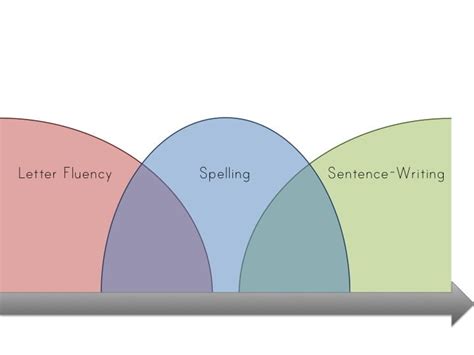
- Initial Hand-Holding (First 5-15 minutes): A very linear, narrative-driven experience where basic controls and core game loop are introduced. Players are largely “on rails,” but performing the actions themselves.
- Gradual Release (Next 15-30 minutes): The game starts introducing simple objectives that require combining previously learned skills. Hints and prompts are still present but less intrusive.
- “Training Wheels Off” (After ~30 minutes): Players are given their first taste of autonomy, perhaps in a hub world or a starting zone where they can choose their next objective. More complex systems are introduced only as they become relevant to the chosen tasks.
Remember to offer optionality. Experienced players may want to skip parts of the tutorial, while true beginners might need to revisit explanations. Provide clear menus for accessing tutorial content at any time.
Conclusion: Building a Foundation for Engagement
Structuring game tutorials for true beginners, free from jargon, isn’t just about teaching mechanics; it’s about building a positive first impression and a strong foundation for long-term engagement. By prioritizing clarity, incremental learning, and empathy for the player’s potential lack of prior knowledge, developers can transform a daunting entry point into an inviting gateway. A successful tutorial leaves players feeling competent and excited to explore further, rather than overwhelmed and ready to quit. Invest in your beginner experience, and you invest in your game’s future.