How to structure game guides for absolute beginners without assuming prior gaming knowledge?
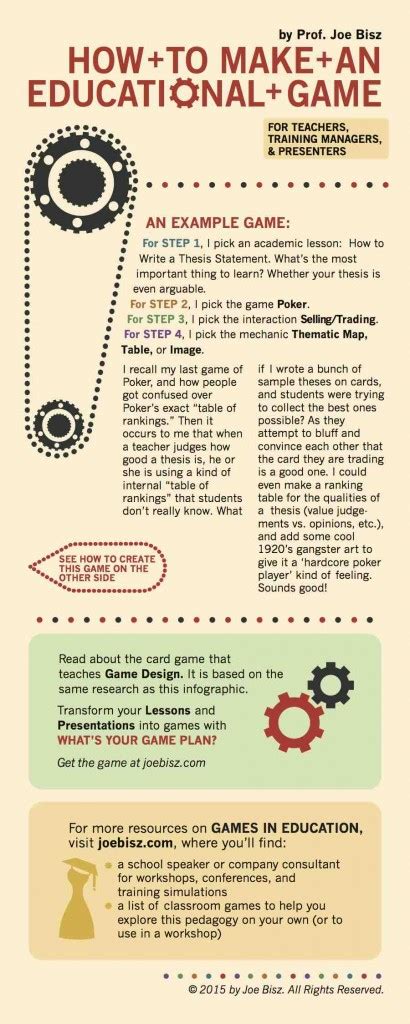
Creating a game guide for someone who has never touched a controller or keyboard for gaming can feel like teaching someone to drive without assuming they know what a wheel or pedal is. It requires a fundamental shift in perspective. Instead of explaining game mechanics, you’re explaining the very concept of interacting with a digital world. This article will outline a robust structure for such guides, ensuring every absolute beginner feels welcomed and capable.
Understanding Your Audience: The True Novice
Your target audience knows nothing. Literally. They might not understand what a ‘WASD’ key set is, the purpose of a mouse, or even how to hold a game controller comfortably. Every single interaction needs to be broken down to its most granular level. Avoid jargon at all costs, or if unavoidable, explain it immediately and clearly.
Common pitfalls include assuming familiarity with common gaming tropes (e.g., health bars, quest markers, mini-maps) or basic computer literacy beyond general internet browsing. Your guide is their first dictionary and instruction manual combined.

The Foundational Pillars of a Beginner Guide
1. Start with the Absolute Basics of Interaction
Begin before the game even starts. This means explaining:
- Hardware Setup: How to connect a controller, plug in a mouse, or understand keyboard layout.
- Input Devices: What a joystick does, how a mouse moves a cursor, the function of individual keys (e.g., ‘Spacebar to jump’).
- Basic Movement: How to make your character walk, run, or look around. This is often the first significant hurdle.
2. Explain Game Jargon and UI Elements Clearly
Introduce terms only when necessary and define them instantly. For instance:
- HP (Health Points): Explain it as your character’s life bar.
- UI (User Interface): Refer to it as the ‘screen information’ or ‘display panel.’
- HUD (Heads-Up Display): Explain it as the ‘information you see around your character.’
- Objectives/Quests: Frame them as ‘tasks you need to complete.’
Walk them through every part of the screen they’ll encounter, from menus to in-game overlays. Use diagrams or simple descriptions to point out health bars, mini-maps, inventories, and score displays.
Structuring the Information Flow: A Progressive Journey
1. Step-by-Step Progression (Linear and Logical)
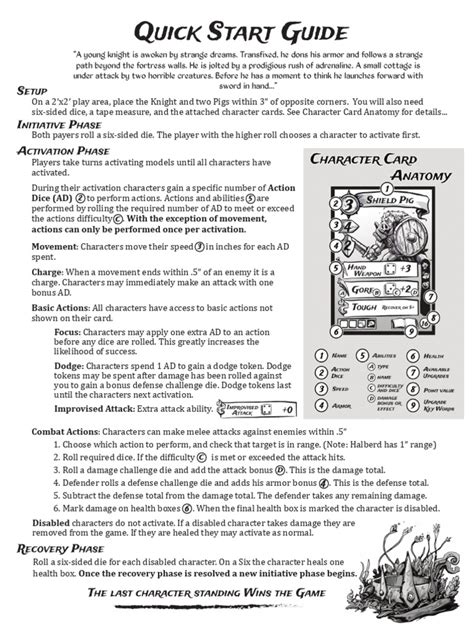
Your guide should follow a strictly linear path, mirroring the most logical progression through the game’s initial stages. Do not jump ahead or assume they can skip sections. Each step should build on the previous one.
- Pre-Game Setup: Installation, settings, control customization.
- First Steps: Basic movement and camera control.
- First Interactions: Opening doors, picking up items.
- First Combat/Puzzle: Simple engagement or problem-solving.
- First Objective: Completing a basic mission or tutorial task.
2. Visual Aids and Real-World Analogies
Pictures, screenshots with annotations, and short video clips (if the medium allows) are invaluable. When describing an action, compare it to something they might already understand from the real world. For example, ‘Moving the left stick is like walking forward’ or ‘Clicking the left mouse button is like pressing a button to interact.’
Use clear, bold text for key controls and actions. For instance: Press ‘W’ to move forward.
Practical Tips for Writing and Presentation
1. Keep it Concise and Actionable
Each instruction should be a short, direct sentence telling the player exactly what to do and what to expect. Avoid long paragraphs that can overwhelm a new learner. Use bullet points and numbered lists extensively.
2. Use a Positive, Encouraging, and Patient Tone
Absolute beginners are often easily frustrated. Your guide should be a patient teacher, celebrating small victories and reassuring them that learning takes time. Avoid condescending language or assuming quick comprehension.

Testing and Iteration with Actual Novices
The most crucial step is to test your guide on someone who genuinely has no prior gaming knowledge. Observe where they struggle, what they misunderstand, and what questions they ask. This feedback is priceless and will highlight assumptions you didn’t even realize you were making. Be prepared to revise and refine your guide based on these observations.
Conclusion
Structuring game guides for absolute beginners demands empathy, meticulous detail, and a relentless commitment to clarity. By starting with the most fundamental interactions, patiently explaining every element, and organizing information in a strictly progressive manner, you can create a welcoming gateway for new players into the rich and diverse world of gaming. Your guide won’t just explain a game; it will teach them how to play games, fostering a new generation of enthusiasts.