How to structure game beginner guides to simplify complex mechanics for new players?

The Crucial Role of Beginner Guides in Player Onboarding
For any new player stepping into a complex game world, the initial hours can be a make-or-break experience. Overwhelming mechanics, obscure terminology, and a lack of clear direction can quickly lead to frustration and abandonment. A well-structured beginner guide isn’t just a helpful addition; it’s a vital tool for successful player onboarding, transforming daunting complexity into an accessible adventure.
The goal is not to spoon-feed every single detail but to empower new players with the foundational knowledge and confidence to explore, experiment, and ultimately enjoy the game on their own terms. This requires a deliberate strategy for breaking down intricate systems into understandable, actionable steps.

Core Principles for Effective Simplification
1. Progressive Disclosure (Layered Learning)
Avoid dumping all information at once. Introduce concepts gradually, building upon previously learned material. Start with the absolute core loop or essential mechanics required to perform basic actions. Once these are understood, introduce secondary systems, then tertiary, always linking back to how they enhance or modify earlier concepts.
Think of it as peeling an onion: each layer reveals more depth and complexity, but only after the previous one has been processed. This prevents cognitive overload and allows players to absorb information at a manageable pace.

2. Visual Aids and Hands-On Examples
Text alone can be insufficient for explaining spatial relationships, timing, or interface navigation. Incorporate screenshots, diagrams, and short video clips (or descriptions of what to look for on screen). Show, don’t just tell. For instance, instead of saying “click the ability icon,” show an image with the icon highlighted and an arrow pointing to it.
Furthermore, practical application is key. Design the guide so players can immediately try out what they’ve learned, reinforcing concepts through direct experience. “Do this, then this is the result.”
3. Clear, Concise, and Jargon-Free Language
New players won’t understand internal game development terms or deeply embedded lore language. Use simple, direct English. Define any necessary game-specific jargon the first time it appears. Break down long sentences and complex paragraphs into shorter, more digestible chunks. Use bullet points and numbered lists where appropriate to improve readability and retention.
Structural Elements for a User-Friendly Guide
1. Modular Sections and Micro-Tutorials
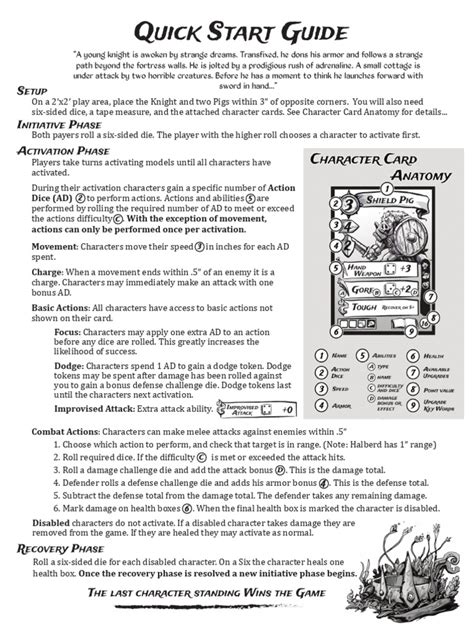
Organize your guide into distinct, self-contained sections. Each section should focus on a single mechanic or a closely related set of mechanics. This allows players to easily jump to specific topics if they need a refresher or are looking for particular information without sifting through pages of irrelevant text. Use clear headings and subheadings.
2. Interactive Checkpoints and Practice
If possible, integrate the guide directly into the game as an interactive tutorial. This allows players to learn by doing. If a separate guide, suggest specific in-game activities or challenges that players can undertake to practice new skills. For example, “Now, try building three basic structures in the practice zone” after explaining construction mechanics.
3. Glossary and FAQ
Include a glossary of game terms and a Frequently Asked Questions section. This serves as a quick reference for players who encounter unfamiliar terms or common issues. It also allows you to keep the main guide focused on core instruction without getting bogged down in too many definitions.
Common Pitfalls to Avoid
- Overwhelm: Too much information too soon.
- Ambiguity: Vague explanations or poorly defined terms.
- Lack of Context: Explaining a mechanic without showing why it’s important or how it fits into the larger game.
- Static Content: Guides that don’t adapt to game updates or player feedback.
- Ignoring Player Psychology: Not recognizing that new players are often anxious and easily frustrated.

The Iterative Process
A beginner guide is rarely perfect on its first iteration. Gather feedback from new players. Observe where they struggle, what questions they ask, and what parts of the guide they skip. Use this feedback to refine and improve the guide, making it even more effective in simplifying complex mechanics.
Player testing is invaluable here. Watch how actual new players interact with the game and your guide. This will reveal blind spots and areas where your explanations might be unclear from an outside perspective.

Empowering New Adventures
Structuring game beginner guides to simplify complex mechanics is an art and a science. By focusing on progressive disclosure, clear communication, visual aids, and practical application, you can transform intimidating systems into engaging learning experiences. A well-crafted guide doesn’t just teach mechanics; it opens the door to a richer, more enjoyable game for every new player who steps through it, fostering a more robust and active community.