How to structure game beginner guides to prevent info overload for new players?
The Challenge of Onboarding: Guiding, Not Overwhelming
Introducing new players to a complex game world is a delicate art. While the instinct might be to dump all mechanics, lore, and strategies upfront, this often backfires, leading to confusion, frustration, and ultimately, player attrition. The goal of a beginner guide isn’t to teach everything, but to teach just enough to get started, foster confidence, and encourage exploration.
Preventing information overload is paramount for retaining new players and ensuring they enjoy their initial experience. A well-structured guide acts as a gentle hand-holder, not a demanding professor.
Why Info Overload is Detrimental to New Players
When new players are hit with too much information too quickly, several negative outcomes can occur:
- Frustration and Anxiety: Faced with a wall of text or an endless series of pop-ups, players feel overwhelmed before they even begin to play.
- Reduced Retention: If the initial learning curve feels too steep or opaque, players are likely to drop off quickly, never experiencing the game’s deeper joys.
- Lack of Engagement: Instead of focusing on the fun aspects of the game, players are bogged down trying to memorize mechanics, detracting from the immersive experience.
- Misunderstanding Core Concepts: Essential information can get lost in the noise, leading to fundamental misunderstandings that hinder progress later on.
Core Principles for Effective Guide Structuring
1. Prioritize Essential Information
Distinguish between what players *must* know to start playing immediately and what they *can* learn later. Focus on core movement, basic interaction, primary objectives, and fundamental combat or resource management mechanics. Everything else can wait.
2. Embrace Progressive Disclosure
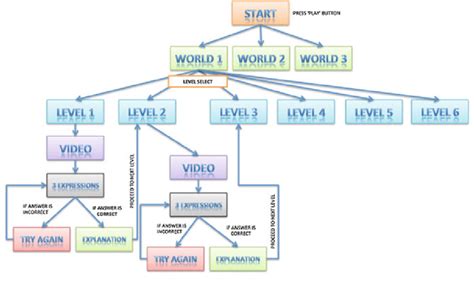
Information should be revealed as it becomes relevant. Introduce concepts and mechanics only when the player encounters a situation where that knowledge is needed. This contextual learning is far more effective than abstract explanations.
3. Keep it Concise and Clear
Use simple, direct language. Avoid jargon where possible, or clearly explain it if necessary. Break down complex ideas into small, digestible chunks. Short sentences and bullet points are often more effective than dense paragraphs.
4. Integrate Learning with Doing
The best guides are often interactive tutorials that teach by example. Allow players to immediately apply what they’ve learned, reinforcing the information through direct experience rather than passive consumption.
Practical Strategies for Guide Implementation
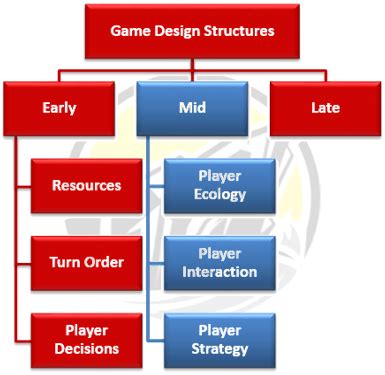
1. Layered Documentation Approach
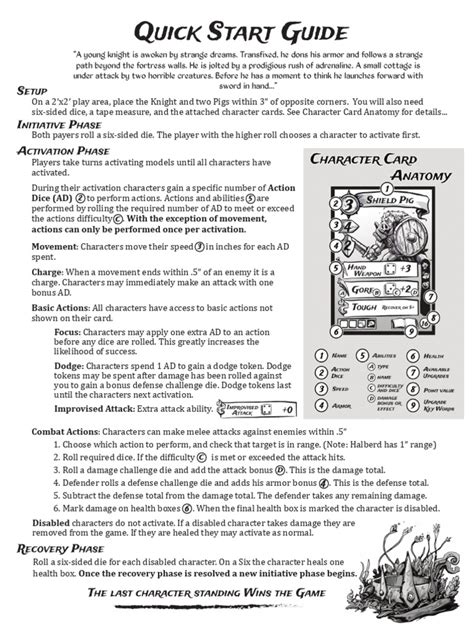
- Tier 1 (In-Game Prompts): Brief, contextual hints that appear as needed (e.g., “Press ‘E’ to interact”).
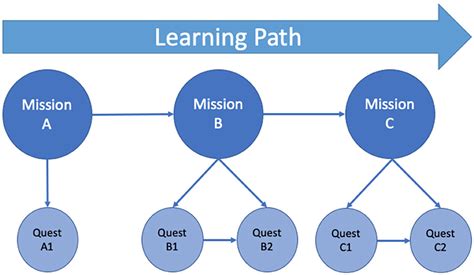
- Tier 2 (Basic Tutorial Quests): A series of guided, short missions that introduce core mechanics step-by-step.
- Tier 3 (Optional In-Game Codex/Wiki): A comprehensive, searchable database for players who want to dive deeper into specific mechanics, lore, or advanced strategies, accessible at their leisure.

2. Utilize Visuals and Audio Cues
A picture is worth a thousand words. Use screenshots, short video clips, animated GIFs, and clear UI highlights to demonstrate concepts. Audio cues can draw attention to important prompts or indicate success/failure.
3. Allow for Player Agency and Self-Pacing
While a guided path is important, give players control over how fast they absorb information. Allow them to skip tutorial sections they already understand or revisit explanations as needed. The best guides feel like helpful suggestions, not mandatory schooling.
4. Introduce Core Systems Incrementally
If your game has multiple complex systems (e.g., crafting, combat, base building, economy), don’t introduce them all at once. Unveil each system in a separate, manageable segment, ideally with its own mini-tutorial or questline that highlights its importance and basic functionality.
For example, a combat system might be introduced in a safe, controlled environment first, before resource gathering is even mentioned. This allows the player to master one skill set before moving to the next.
Conclusion: A Smooth Start Leads to Lasting Engagement
Structuring game beginner guides to prevent info overload is a critical step in creating an engaging and retaining experience. By prioritizing essential information, embracing progressive disclosure, keeping content concise, and integrating learning with doing, developers can transform a potentially overwhelming introduction into a smooth, enjoyable onboarding journey. Remember, the goal isn’t to teach everything, but to empower players to discover and enjoy the game for themselves.