How to structure game beginner guides so new players grasp complex mechanics without feeling overwhelmed?

Introducing new players to a game, especially one rich with deep, intricate mechanics, is a delicate art. The goal is to educate without overwhelming, to provide enough information to empower them without drowning them in a sea of jargon and systems. A well-structured beginner guide is not just a document; it’s a carefully designed learning path that respects the player’s journey.
The Challenge: Decoding Complexity for Newcomers
Many modern games boast incredible depth, from intricate crafting systems and skill trees to nuanced combat mechanics and strategic resource management. While this complexity is often what gives a game its longevity and replayability for veterans, it can be a significant barrier to entry for newcomers. Dumping all information at once leads to cognitive overload, resulting in frustration and early player abandonment. The challenge lies in breaking down these complexities into digestible, understandable segments.

Principle 1: Phased Introduction and Layered Learning
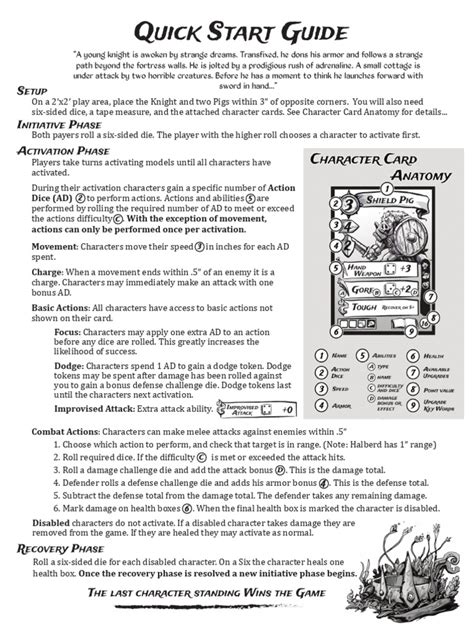
The most effective way to teach complex systems is not to explain everything upfront, but to introduce concepts in phases, building knowledge layer by layer. Start with the absolute fundamentals, ensuring a solid grasp before introducing more advanced or interconnected elements. Think of it like teaching a language: you don’t start with complex grammar rules; you begin with basic vocabulary and simple sentences.
- Core Loop First: Focus on the very basic actions and objectives necessary to play the game initially.
- Progressive Unlocks: Introduce new mechanics or systems only as they become relevant or necessary for progression.
- Contextual Learning: Explain concepts within the specific game scenario where they are first encountered.
Principle 2: Show, Don’t Just Tell – Practical Examples & Visuals
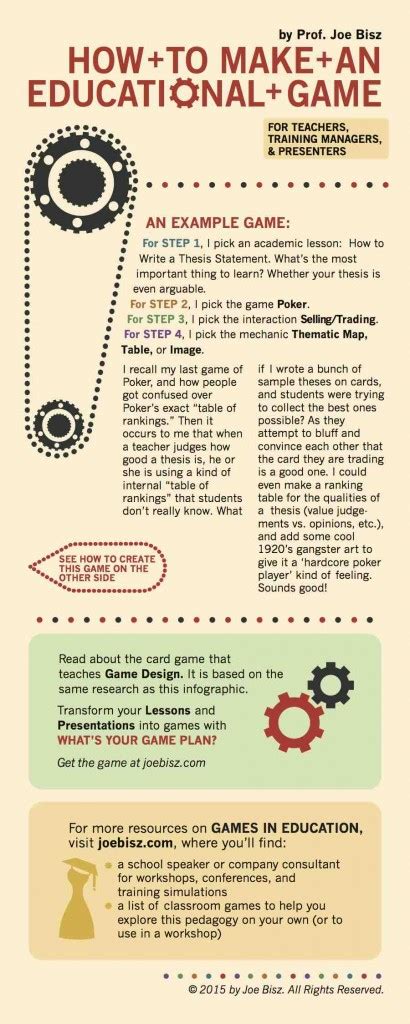
Abstract explanations often fail to stick. Players learn best by seeing mechanics in action and understanding their practical application. Concrete examples tie theory to practice, making abstract concepts tangible. Visual aids are indispensable here; a picture, diagram, or short animation can explain more effectively than paragraphs of text.

- In-Game Screenshots/Videos: Illustrate exactly what players need to look for or do.
- Diagrams and Infographics: Simplify complex relationships between systems (e.g., how resources flow, or skill tree paths).
- Step-by-Step Walkthroughs: Guide players through specific scenarios where a new mechanic is crucial.
Principle 3: Empowering Through Iteration and Practice
Learning is an active process. A guide should not just inform but also encourage and facilitate practice. Providing opportunities for players to immediately apply what they’ve learned helps solidify their understanding and build muscle memory. This could involve mini-challenges, dedicated practice zones, or repeatable scenarios that reinforce key mechanics.

Principle 4: Keep it Concise and Focused
Respect the player’s attention span. Beginner guides should be lean and to the point. Every word, every sentence, every paragraph should serve a clear purpose. Avoid tangential information or excessive detail that isn’t immediately critical. Break down information into small, digestible chunks using headings, bullet points, and short paragraphs.
- Prioritize Information: Distinguish between ‘need-to-know’ and ‘nice-to-know.’ Focus on the former.
- Chunking: Group related information into distinct sections with clear headings.
- Active Voice and Simple Language: Make explanations easy to follow and understand.
Principle 5: Engaging Language and Analogies
The tone of your guide matters. A friendly, encouraging, and clear tone can significantly impact a new player’s willingness to engage. Where possible, use analogies to relate game mechanics to real-world concepts or more familiar gaming conventions. This can bridge the gap between unknown game systems and existing knowledge.
Structuring Your Guide: A Practical Framework
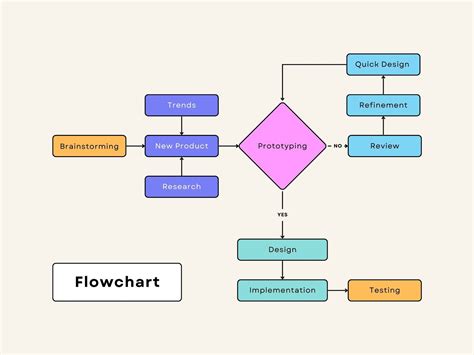
Beyond individual principles, the overall structure of your guide is paramount. Consider a modular approach, where each major mechanic or system has its own dedicated section. This allows players to navigate directly to areas where they need help, rather than sifting through a monolithic document. Start with an onboarding pathway, but then make specific mechanics easily searchable or linkable.
Ultimately, a successful beginner guide doesn’t just inform; it inspires confidence and curiosity. By embracing phased learning, practical examples, active practice, conciseness, and an engaging tone, developers and guide writers can transform complex game mechanics from intimidating hurdles into exciting opportunities for discovery and mastery. The goal is to smoothly transition new players from confusion to competence, fostering a lasting enjoyment of the game.