How to structure game beginner guides so new players grasp basics without feeling overwhelmed?

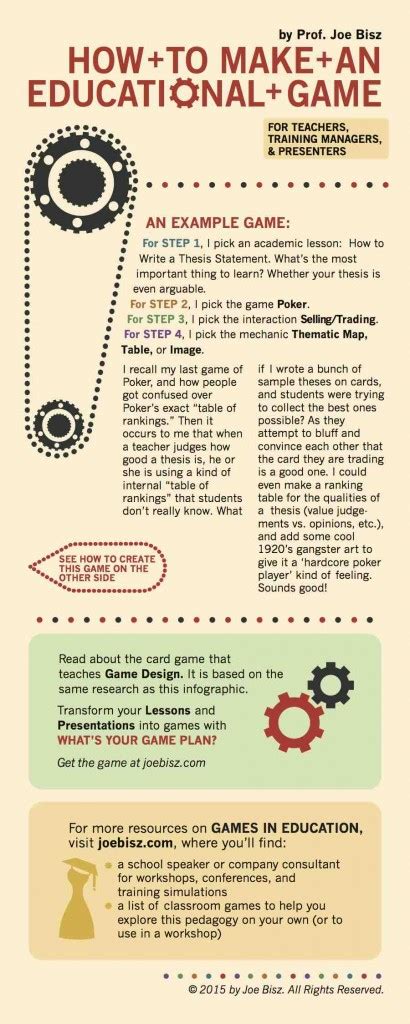
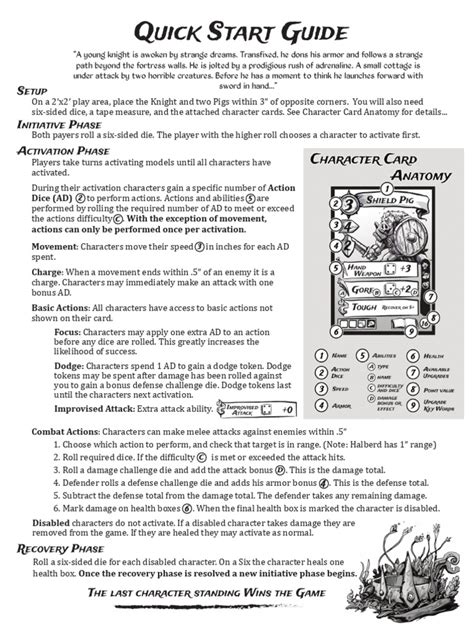
Creating an engaging and effective beginner guide for a video game is an art. The goal is to onboard new players smoothly, teaching them the fundamental mechanics and core concepts without overwhelming them with a deluge of information. A poorly structured guide can lead to frustration, early abandonment, and a lost player. This article will explore key strategies and structural elements to ensure your game’s beginner guide sets new players up for success.
The Challenge of First Impressions
New players often come with varying levels of gaming experience, but all share a common need: to understand how to play your game. The biggest pitfall is assuming prior knowledge or dumping too much information at once. Think of it like learning to drive; you wouldn’t be taught how to change a tire or parallel park before understanding how to start the engine and steer.
Effective guides prioritize core actions and concepts, building a foundation before introducing complexity. This progressive layering prevents cognitive overload and keeps players engaged as they feel a sense of accomplishment with each learned step.

Core Principles for Unoverwhelming Guides
1. Start with the Absolute Essentials
What does a player absolutely need to know to take their first meaningful action? Focus on movement, basic interaction, and the primary objective. Introduce these concepts one at a time, allowing players to practice before moving on.
2. Layer Information Progressively
Don’t explain everything upfront. Introduce concepts as they become relevant. For instance, explain inventory management only when the player acquires their first item, or character stats when they gain their first level.
3. Emphasize Active Learning
Players learn best by doing. Instead of long text blocks, create short, interactive tutorials where players perform the action themselves. “Press W to move forward” followed by an immediate opportunity to do so is far more effective than an entire paragraph on movement controls.
4. Utilize Visuals and Contextual Cues
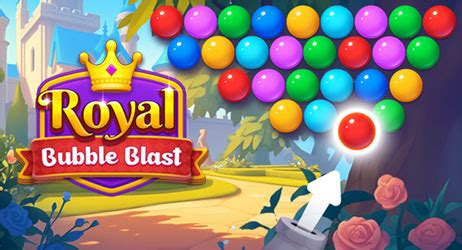
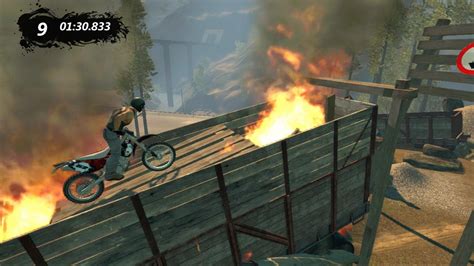
Show, don’t just tell. Use highlighted UI elements, animated arrows, short video clips, or clear screenshots. Contextual pop-ups that explain a feature precisely when the player encounters it are invaluable.
5. Break It Down into Digestible Chunks
Long sections of text are daunting. Use headings, bullet points, and short paragraphs. Imagine a player consuming the information in short bursts, perhaps between gameplay actions.
Structuring Your Beginner Guide: A Step-by-Step Approach
Phase 1: The Immediate & Essential (The First 5-10 Minutes)
This phase is about getting the player moving and interacting. Focus on:
- Basic movement (walking, running, jumping)
- Primary interaction (picking up items, talking to NPCs, basic attack)
- Understanding the immediate goal (e.g., “Go to the market,” “Defeat the first enemy”)
Keep text minimal and rely heavily on visual prompts and immediate interactive prompts.

Phase 2: Core Mechanics & Systems (The First Hour)
Once the player understands the absolute basics, gradually introduce core gameplay loops. This might include:
- Inventory basics and item use
- Simple combat mechanics or puzzle-solving
- Introduction to a core progression system (e.g., leveling up, basic crafting)
- Navigating the main UI (map, quest log)
Each new concept should build upon previously learned skills. Provide optional “challenge” areas or mini-quests that reinforce these new mechanics.
Phase 3: Deep Dive & Advanced Concepts (Beyond the First Hour)
This phase moves into more complex systems and strategic thinking. It’s often where players start exploring the depth of your game. Elements could include:
- Advanced combat techniques or spell usage
- Complex crafting or resource management
- Understanding factions, reputation, or character builds
- Multiplayer specific mechanics
By this point, players have a solid foundation and are more receptive to detailed explanations. Consider making some of these deeper dives optional, accessible through an in-game encyclopedia or advanced tutorial section.

Providing Ongoing Support and Reference
A beginner guide isn’t a one-and-done deal. New players will inevitably forget things or encounter new situations. Supplement your structured guide with:
- Contextual Tooltips: Hovering over an item or UI element reveals a brief explanation.
- In-Game Encyclopedia/Codex: A searchable resource for detailed information on lore, items, characters, and mechanics.
- Hint System: Optional prompts that appear if a player is struggling with a specific task.
- Community Links: Direct players to official forums or wikis for community support.
Conclusion
Structuring an effective beginner guide is about empathy. Put yourself in the shoes of a new player, understanding their potential confusion and desire for a smooth learning curve. By starting with the absolute essentials, layering information progressively, emphasizing active learning, and providing clear visual cues, you can create a guide that empowers new players to grasp the basics without feeling overwhelmed. A well-designed guide doesn’t just teach; it invites players into your game world, fostering curiosity and long-term engagement.