How to structure game beginner guides for quick, clear learning of core mechanics?
The Crucial Role of Effective Beginner Guides
For any video game, the initial hours are often the most critical. A well-structured beginner guide can be the difference between a player becoming deeply engaged and abandoning the game out of frustration. The primary goal is to empower new players to quickly understand and effectively utilize core mechanics without feeling overwhelmed. This article will explore key principles and structures for creating guides that facilitate rapid, clear learning.
Prioritizing Core Mechanics: What to Teach First
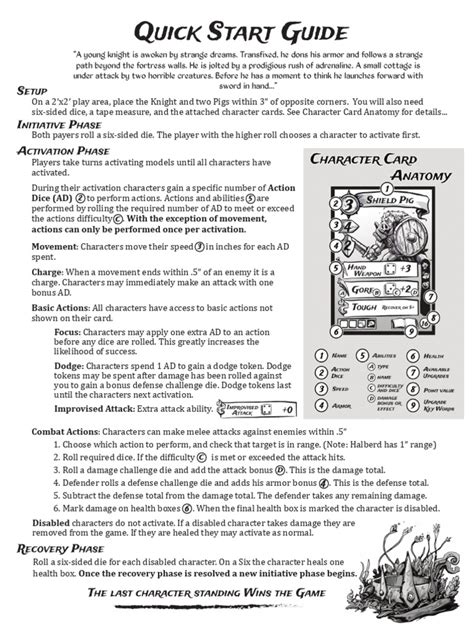
The biggest pitfall in beginner guides is information overload. Not everything needs to be taught upfront. Focus intensely on the absolute essentials: movement, basic interaction (e.g., picking up items, basic attacking), and the primary objective loop. Advanced mechanics, lore details, or optional systems should be introduced gradually, only after the core gameplay loop is understood and playable.
Start by identifying the 3-5 most critical actions a player needs to perform to simply play the game. For an RPG, this might be movement, basic attack, using an item, and interacting with an NPC. For a strategy game, it could be unit selection, basic command, and resource collection. Everything else is secondary and can wait.
Structuring the Learning Path: Gradual Introduction and Context
Show, Don’t Just Tell
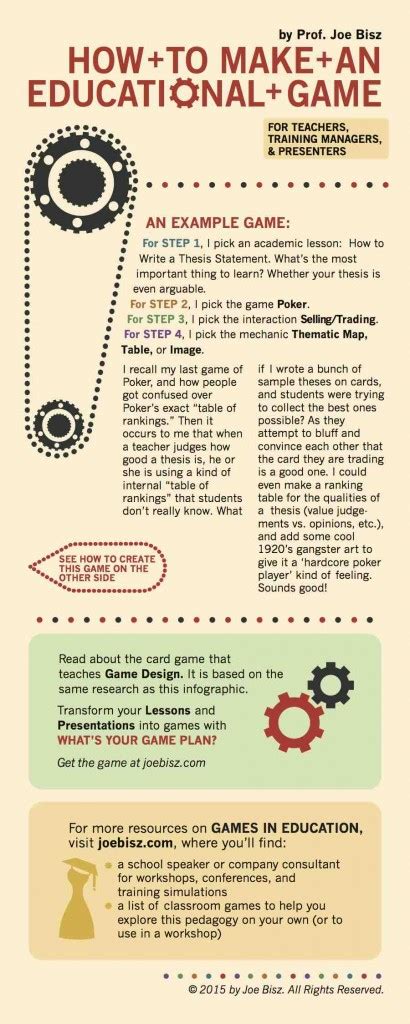
Visual aids, contextual prompts, and direct demonstration are far more effective than walls of text. Integrate learning directly into the gameplay. Instead of a pop-up explaining how to jump, design a small obstacle that necessitates jumping, with a subtle prompt appearing as the player approaches.
Scaffolding Learning
Introduce mechanics in a building-block fashion. Teach A, let the player practice A, then introduce B which builds on A, and so on. Each new mechanic should feel like a natural extension of what’s already learned, not a standalone, disconnected piece of information. Create mini-challenges or scenarios that require the application of newly learned skills immediately.
Contextual Learning
Mechanics are best understood when their purpose is clear. Explain why a mechanic is important or what problem it solves. For instance, explaining that a ‘dodge’ mechanic helps evade damage makes its utility clear, rather than just stating ‘Press X to dodge’. Integrate these explanations into the narrative or environmental cues.
Active Learning and Reinforcement: Engaging the Player
Immediate Practice and Feedback
Learning solidifies through doing. After introducing a mechanic, provide an immediate, low-stakes opportunity for the player to practice it. Crucially, offer clear and timely feedback. If a player fails, explain why and guide them towards the correct action. If they succeed, acknowledge it positively. This immediate feedback loop is vital for reinforcing correct behavior and understanding.

Repetition with Variation
Don’t just repeat the same tutorial segment. Design scenarios where the player uses the same mechanic in slightly different contexts or combines it with other learned mechanics. This helps solidify understanding and demonstrates the versatility of the skill, preventing rote memorization and encouraging adaptable play.
Progressive Complexity and Advanced Resources
Once core mechanics are grasped, gently introduce layers of complexity. This could be through new enemies requiring different strategies, environmental hazards, or unlockable abilities. For advanced players seeking more depth, always provide easily accessible in-game resources, such as a glossary, strategy tips, or links to community hubs. This caters to different learning paces without overwhelming the initial experience.
Conclusion
A successful game beginner guide is a delicate balance of clarity, conciseness, and contextual learning. By prioritizing essential mechanics, structuring a gradual learning path with immediate practice and feedback, and integrating lessons seamlessly into gameplay, developers can create an inviting and empowering experience for new players. The goal is not just to teach, but to enable players to confidently explore and enjoy the game’s full potential from the very start.