How to structure beginner guides to simplify complex game mechanics for new players?

The Crucial Role of Effective Beginner Guides
Complex game mechanics can be a formidable barrier for new players, often leading to frustration and early abandonment. A well-structured beginner guide isn’t just helpful; it’s essential for player retention and enjoyment. It acts as a bridge, transforming daunting systems into understandable concepts, empowering new players to engage deeply with the game rather than being overwhelmed by it. The goal is not just to explain, but to simplify, making the learning process intuitive and rewarding.

Understand Your Audience: The True Novice Perspective
Before writing a single word, step into the shoes of a complete beginner. What assumptions are you making? What prior knowledge might they lack? A guide for a seasoned RPG player learning a new RPG will differ vastly from a guide for someone completely new to the genre. Tailor your language, examples, and the depth of your explanations to someone who knows absolutely nothing about your game or even its genre conventions. Avoid jargon where possible, or clearly define it the first time it’s used.
Deconstruct & Prioritize: Breaking Down Complexity
Complex mechanics are often a sum of simpler parts. The key is to break them down into their most fundamental components. Don’t try to explain everything at once. Identify the core concepts that a player absolutely *must* understand to perform basic actions or grasp the game’s loop. For instance, in an RTS, explaining unit production and movement might precede advanced micro-management or tech trees. Focus on a layered approach: introduce the absolute essentials, then build upon that foundation.
Start with the ‘Why’ Before the ‘How’
- Purpose: Explain why a mechanic exists or what problem it solves. Why do I need to craft? Why is resource management important?
- Core Function: Describe its most basic operation. How do I gather resources? What buttons do I press?
- Implications: Briefly touch on its impact on gameplay without getting bogged down in edge cases.
Leverage Analogies and Real-World Examples
Human beings learn by relating new information to existing knowledge. Analogies are incredibly powerful tools for simplifying complex ideas. Comparing a game’s ‘aggro’ system to a dog barking at a mailman, or a ‘cooldown’ to waiting for a microwave to finish, can instantly make an abstract concept relatable. Where real-world analogies aren’t perfect, use in-game examples that are simple and direct, demonstrating the mechanic in action rather than just describing it theoretically.
Visual Aids and Interactive Learning
While this guide doesn’t include actual images, remember that visual elements are critical for beginner guides. Screenshots, flowcharts, diagrams, and short video clips can communicate information far more effectively than text alone. Show players what a particular UI element looks like, illustrate a combat rotation, or map out a resource chain. Ideally, combine guides with interactive tutorials that allow players to practice the mechanics hands-on in a low-stakes environment.
Structure for Scannability and Progressive Learning
New players are often looking for quick answers to specific problems. Your guide should be structured with clear headings, subheadings, bullet points, and bolded text to make it easily scannable. Think of it as a journey: start with basic movement and interaction, move to core systems (combat, crafting, economy), and then introduce more advanced concepts. Each section should feel like a complete, digestible unit.

Key Structural Elements:
- Introduction: Briefly state what the guide covers and why it’s important.
- Prerequisites: What should the player already know or have done?
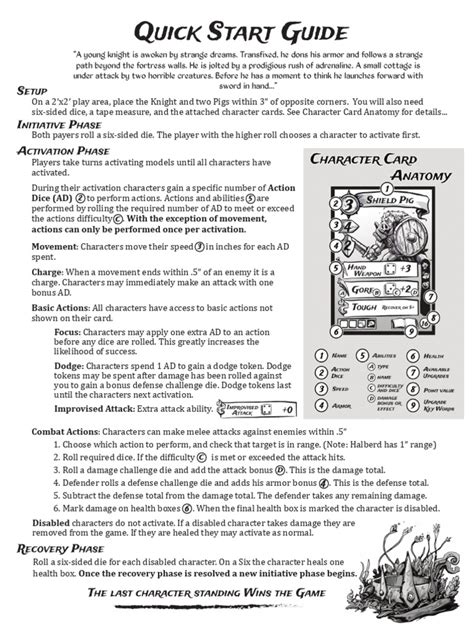
- Step-by-Step Breakdown: For mechanics with multiple stages.
- Key Takeaways/Tips: Summarize the most important points.
- FAQ Section: Address common beginner questions.
- Next Steps: Point players to related guides for further learning.
Clear, Concise, and Encouraging Language
Avoid overly technical language, long sentences, and passive voice. Use direct, active language that is easy to follow. Maintain an encouraging and supportive tone throughout. Acknowledge that learning new things can be challenging, but reassure players that with practice, they’ll master the mechanics. Celebrate small victories and foster a sense of accomplishment.

Conclusion: Empowering the New Player
Structuring beginner guides effectively is an art form that blends pedagogical principles with a deep understanding of game design. By focusing on the player’s perspective, deconstructing complexity, using relatable analogies, and employing clear, visual, and progressive explanations, you can transform intimidating game mechanics into accessible and enjoyable learning experiences. The ultimate goal is to empower new players, giving them the confidence and knowledge to fully dive into and appreciate the depth of your game.