How to structure beginner game guides to simplify complex mechanics for new players’ first steps?
Stepping into a new game can be daunting, especially when faced with intricate mechanics, sprawling worlds, and an overwhelming amount of information. For new players, their first steps are crucial, determining whether they embrace the challenge or bounce off entirely. This is where a well-structured beginner game guide becomes an invaluable asset. The goal isn’t just to explain, but to simplify, reassure, and progressively empower.
Understanding Your Audience: The New Player Mindset
Before writing a single word, put yourself in the shoes of a complete novice. They likely have no prior knowledge of the game’s specific jargon, systems, or unspoken rules. Their mindset is often a mix of excitement, curiosity, and potential overwhelm. They need reassurance that the game isn’t too hard and that they’re capable of learning.
Empathy is Key
Acknowledge their potential struggles. What’s obvious to a veteran player is a complete mystery to a beginner. Avoid making assumptions about their knowledge base and always define terms before using them.
Addressing Initial Overwhelm
Many complex games throw a lot at you at once. Your guide needs to act as a filter, prioritizing the most critical information for immediate success and gently deferring less urgent details.

The Foundational Pillars of a Great Guide
Effective guides build knowledge layer by layer, preventing information overload and fostering a sense of accomplishment.
Start with the Absolute Basics
Begin with the very first actions a player takes: movement, basic interaction, menu navigation. Don’t assume they even know how to open their inventory or sprint.
Progressive Disclosure of Information
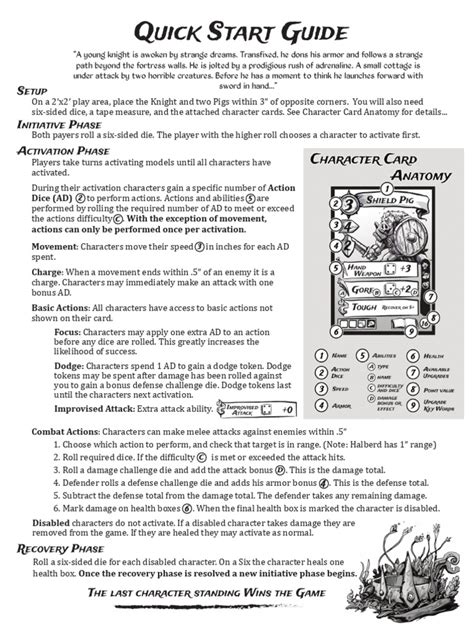
Introduce mechanics gradually, only when they become relevant. For example, don’t explain advanced combat techniques when the player is still learning to walk. Introduce a new concept, explain it, then move on.
Clear, Concise Language
Use simple, direct language. Avoid jargon where possible, or if necessary, explain it clearly. Short sentences and paragraphs are easier to digest than dense walls of text.
Breaking Down Complex Mechanics
This is the core challenge: taking something intricate and making it understandable.
Isolate Core Concepts
Identify the fundamental building blocks of a complex mechanic. If a crafting system has dozens of recipes, start by explaining the basic interface and the process of making the simplest item.
Use Analogies and Real-World Examples
Sometimes, relating a game mechanic to something familiar in the real world can make it click instantly. For instance, explaining a cooldown timer as ‘waiting for an ability to recharge, like your phone battery’ can be helpful.
Leverage Visuals and Demonstrations
A picture (or a GIF/video if the guide supports it) is worth a thousand words. Show, don’t just tell. Screenshot key interfaces, highlight important buttons, and demonstrate sequences of actions. Visual cues reduce ambiguity significantly.

Structuring the Guide for Optimal Learning
The layout and organization of your guide are just as important as the content itself.
Modular Sections and Headings
Break your guide into distinct, self-contained sections using clear headings (H2, H3). This allows players to easily find specific information, revisit concepts, or skip sections they already understand.
Actionable Steps and Practice
After explaining a mechanic, give the player something to do. Suggest a simple task or challenge that allows them to immediately apply what they’ve learned. ‘Now, try to collect 5 wood and craft a pickaxe.’
Recap and Reinforcement
Briefly summarize key takeaways at the end of each major section or chapter. This helps solidify understanding and provides a quick reference point.

Common Pitfalls to Avoid
Even with good intentions, guides can fall short if certain mistakes are made.
Information Overload
Resist the urge to explain *everything* at once. A beginner guide should be lean and focused on core progression, not exhaustive. Save advanced tips for intermediate guides.
Assumed Knowledge
Never assume a new player understands basic gaming conventions or terms like ‘DPS,’ ‘aggro,’ ‘HUD,’ or ‘AoE.’ Define everything.
Skipping the ‘Why’
Explain not just *how* to do something, but *why* it’s important. Understanding the purpose of a mechanic motivates learning and makes the information more relevant.

Conclusion
Crafting an effective beginner game guide is an art that blends clear communication with empathy and strategic structuring. By breaking down complex mechanics into digestible, progressive steps, utilizing clear language and visuals, and constantly considering the new player’s perspective, you can create a guide that doesn’t just inform, but truly empowers. The ultimate goal is to transform potential frustration into discovery, paving the way for new players to confidently embark on their gaming journey.