How to structure beginner game guides to prevent overwhelm for new players?

The Challenge: Guiding New Players Without Overwhelm
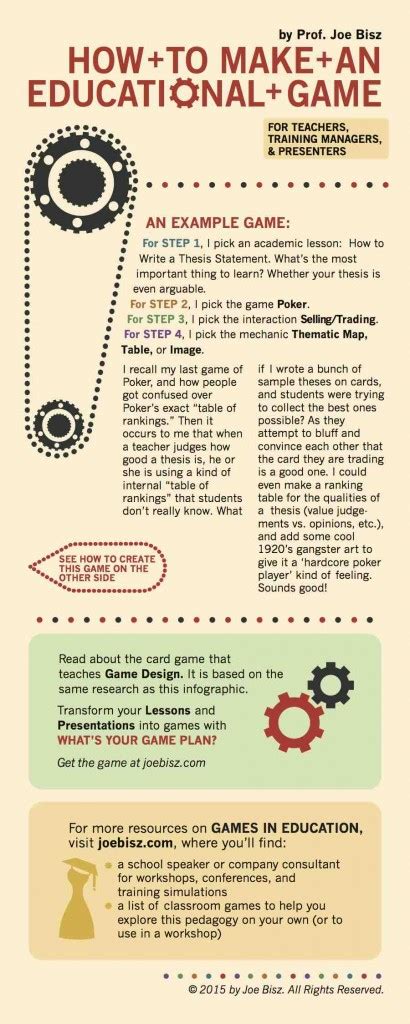
Introducing a new player to a complex game can be like handing them a sprawling encyclopedia and expecting them to find the first page. Many games, especially those with deep mechanics or extensive lore, present a significant information barrier to entry. A poorly structured guide can exacerbate this, turning excitement into frustration and leading to early player drop-off. The goal of a beginner guide isn’t to dump all knowledge at once, but to provide a clear, progressive path that builds understanding step-by-step.
Core Principles for Effective Beginner Guides
Modularity and Chunking Information
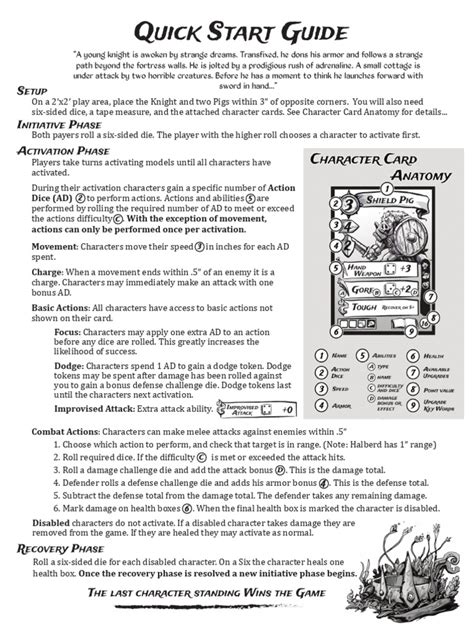
Break down your guide into small, digestible modules. Instead of a single, monolithic ‘basics’ chapter, create distinct sections for ‘Movement,’ ‘Basic Combat,’ ‘Inventory Management,’ etc. Each module should focus on one core concept or mechanic. This allows players to absorb information in bite-sized pieces and revisit specific topics easily without sifting through pages of unrelated text.

Progressive Disclosure: Level by Level Learning
Introduce concepts incrementally, mirroring the way a game often unfolds. Start with the absolute essentials required to play for the first 10-15 minutes. As the game introduces new mechanics, your guide should follow suit. Avoid discussing advanced strategies or end-game content when the player is still learning how to move their character. This ‘need-to-know’ approach ensures players only encounter information relevant to their current stage of play.
Prioritize Essential Information
Distinguish between what a new player must know to enjoy the game and what is optional or for advanced play. Focus initially on the core loop: how to play, how to achieve basic objectives, and how to survive. Relegate complex character builds, intricate economic systems, or lore deep-dives to later sections or separate, more advanced guides. New players need a foundation, not a masterclass.

Visual Aids and Examples
A picture is worth a thousand words, especially in game guides. Incorporate screenshots, diagrams, and short video clips where appropriate. Show players what buttons to press, what UI elements to look for, or what an important item looks like. Use specific examples from the game to illustrate concepts, rather than abstract explanations. Visuals significantly reduce cognitive load and clarify complex instructions.
Simple, Clear Language
Avoid jargon, acronyms, and highly technical terms without immediate explanation. Write in a clear, concise, and friendly tone. Imagine you’re explaining the game to a friend who has never played before. Use active voice and short sentences. If a technical term is unavoidable, define it clearly the first time it’s used. Remember, the goal is to reduce confusion, not create more.

Interactive Elements and Practice
The best learning happens through doing. Encourage players to pause and practice what they’ve learned. If your guide includes an in-game tutorial, structure your guide to complement it, perhaps offering tips for specific tutorial challenges. If not, suggest practical exercises within the game environment that reinforce the taught concepts. This active engagement solidifies understanding.
Leverage Community and Resources (Without Dumping)
While the primary guide should be self-contained for initial learning, it’s wise to point to further resources for when players are ready. This could be a link to the official wiki, a reputable community forum, or a dedicated ‘advanced tips’ section. Crucially, this should come at the end of the beginner’s journey, not at the beginning, preventing information overload.
Structuring Your Guide: A Practical Approach
Consider a logical flow that mimics a player’s first hours in the game:
- Welcome & Overview: What is this game about in one sentence? What will the player achieve by the end of this guide?
- Installation & Setup: (If applicable) Technical basics.
- Basic Controls & Movement: How to move, interact with the world.
- User Interface (UI) Explained: Key HUD elements, menu navigation.
- Core Mechanics 1 (e.g., Basic Combat/Crafting/Gathering): The very first fundamental skill.
- First Objectives & Progression: What should a player do first? How do they progress?
- Common Pitfalls & Troubleshooting: Simple advice for early challenges.
- Next Steps & Resources: Where to go for more advanced learning or community help.
Empowering New Players for Success
A well-structured beginner guide is more than just a list of instructions; it’s a bridge between a new player and an exciting new world. By breaking down complexity, prioritizing essentials, and employing clear communication, you can transform potential overwhelm into an engaging and empowering learning experience. This not only helps new players stick with the game but also fosters a more positive and welcoming community around it. Invest in your beginner guides, and you invest in your player base’s longevity and enjoyment.