How to structure beginner game guides to prevent new player overwhelm?
The Challenge of Information Overload for New Gamers
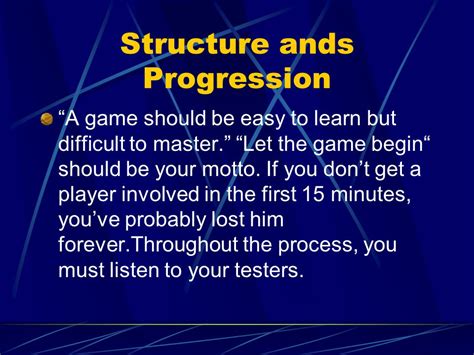
Entering a new game can be an exhilarating yet daunting experience. Modern games, with their intricate mechanics, vast worlds, and deep lore, often present new players with a veritable ocean of information. Without a well-structured guide, this flood can quickly turn excitement into frustration, leading to player overwhelm and, ultimately, abandonment. The key to successful beginner guides lies not just in what information is provided, but crucially, in how it is organized and presented.
Start with the Absolute Essentials: The “Need-to-Know” Core
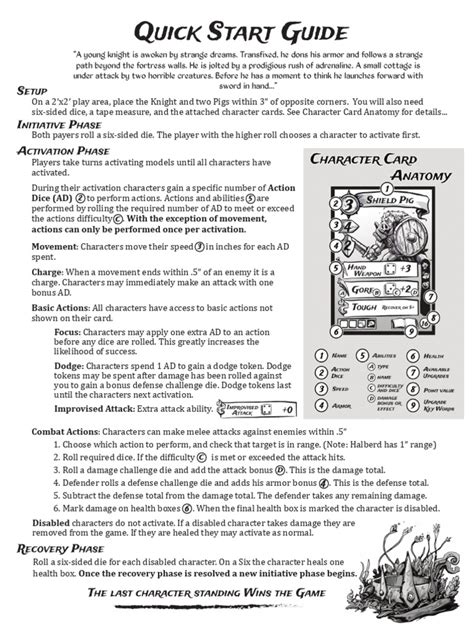
The first rule of preventing overwhelm is to prioritize. A beginner guide should begin by addressing only what a new player absolutely needs to know to take their first steps and understand the most fundamental aspects of the game. This includes:
- Basic Controls: How to move, interact, and access essential menus.
- Core Gameplay Loop: What is the main objective? How do I achieve it? (e.g., in an RPG: quest, fight, level up; in a strategy game: build, gather, expand).
- User Interface (UI) Explained: A quick overview of the most critical UI elements (health bar, mini-map, inventory access) without diving into every single icon.
Resist the urge to explain every nuanced mechanic or advanced strategy upfront. The goal is to get them playing and understanding the basics, building confidence incrementally.
Employ Layered Learning: Information on Demand
Once the absolute essentials are covered, subsequent information should be presented in layers. Think of it as an onion, where players peel back layers as they become ready for more depth. This can be achieved by:
Modular Sections and Clear Headings
Break the guide into distinct, self-contained modules. Each module should focus on a single topic (e.g., “Combat Basics,” “Understanding Inventory,” “First Crafting Steps”). Use clear, descriptive headings (<h3> for sub-sections) that allow players to quickly scan and find what they need. This modularity empowers players to seek out information when they encounter a specific challenge, rather than being forced to digest everything at once.

Progressive Introduction of Mechanics
Don’t explain advanced mechanics until they become relevant. For example, explain character builds only after the player understands basic combat and leveling. Introduce crafting only after they’ve gathered some initial resources. This mirrors how a good in-game tutorial would function, ensuring context for the information provided.
Leverage Visuals and Examples Extensively
Text-heavy guides can be intimidating. Incorporate screenshots, diagrams, and short GIFs (conceptually, even if not actually embedded) to illustrate points. A picture demonstrating where to click or what an item looks like is often far more effective than paragraphs of text. Real-world examples from the game, even hypothetical ones, help ground abstract concepts.

Provide Actionable Next Steps and FAQs
A good beginner guide doesn’t just explain; it guides. Conclude sections or the entire guide with actionable advice on “What to do next?” or “Where to go from here?”. This empowers players to apply what they’ve learned immediately. Additionally, include a small FAQ section that addresses common early-game roadblocks or questions, preventing players from getting stuck on minor issues.
Refining Language and Tone
Maintain an encouraging, non-judgmental tone. Avoid excessive jargon unless it’s immediately explained. Use simple, direct language. Remember, the player is new and potentially feeling a little lost; the guide should be a friendly mentor, not a stern professor.

Emphasize Navigation and Searchability
Even a perfectly structured guide is useless if players can’t find the information they need. Implement a clear table of contents, internal links to related sections, and, if applicable, a search function. Allow players to bookmark or easily revisit key sections. The goal is to make the guide a reference tool, not a one-time read.

Conclusion: Building Confidence, Not Confusion
Structuring beginner game guides effectively is about more than just relaying information; it’s about building player confidence. By starting with the essentials, layering complexity, utilizing visuals, providing clear next steps, and ensuring easy navigation, guide creators can transform the daunting initial experience into an engaging learning journey. A well-crafted guide doesn’t just teach the game; it welcomes the player into its world, fostering retention and a more enjoyable gaming experience from the very first minute.