How to structure beginner game guides for quick, effective first-play experiences?
The Art of the Welcoming Guide: Beyond Basic Tutorials
For many gamers, the first few hours with a new title can make or break their entire experience. A well-structured beginner guide doesn’t just teach controls; it creates a bridge between a player’s curiosity and their mastery, ensuring they feel empowered rather than overwhelmed. The goal isn’t to spoil the game, but to provide a clear, concise pathway to understanding its core mechanics and enjoying its initial offerings. This article will break down how to craft guides that make that crucial first play quick, effective, and most importantly, fun.

Prioritize Essential Information: What They NEED to Know NOW
The biggest mistake in beginner guides is information overload. New players don’t need to know about endgame builds or obscure lore on day one. They need to know how to move, interact, achieve their immediate objective, and understand the basic UI. Start with the absolute minimum required to complete the first few tasks or understand the initial loop of the game. This means focusing on core controls, the primary objective, and any immediate threats or opportunities.
Progressive Disclosure: Introduce Concepts as They Become Relevant
Think of your guide as a conversation, not a lecture. Instead of dumping all weapon types at once, introduce the starting weapon, then explain the next one when the player encounters it or is given the option to acquire it. This method, known as progressive disclosure, prevents cognitive overload and allows players to absorb information in context. Break down complex systems into smaller, digestible chunks, revealing layers of complexity only as the player progresses naturally through the game’s early stages.
Clarity, Conciseness, and Visual Support
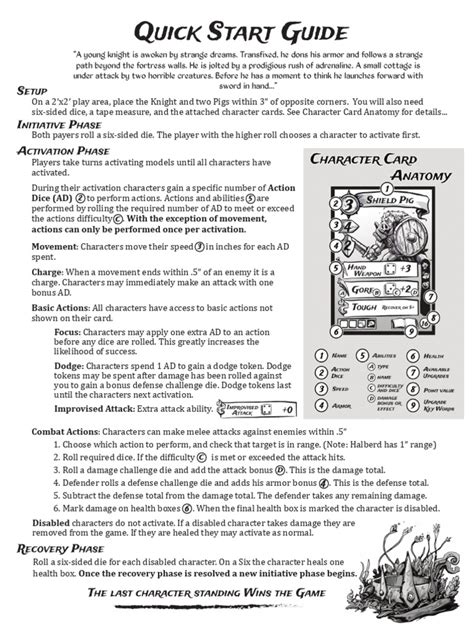
Use straightforward language, avoiding game-specific jargon where possible, or explaining it clearly when necessary. Short sentences and bullet points are your friends. Crucially, supplement text with visual aids. Screenshots of key UI elements, maps marking initial objectives, or simple diagrams explaining mechanics can convey information far more efficiently than text alone. These visuals serve as quick reference points and reduce the need for players to read lengthy paragraphs.

Actionable Steps and the ‘Why’
Good guides don’t just tell; they show and explain. Instead of saying, “Use the sword,” say, “Press X to swing your sword at the enemy. This is your primary attack for close-range combat.” Explaining the ‘why’ behind an action helps players understand its significance and integrate it into their mental model of the game. Provide clear, step-by-step instructions for the initial quests or challenges, ensuring players can follow along without getting lost.
Empower Exploration, Don’t Spoil Discovery
A beginner guide’s purpose is to facilitate engagement, not to replace the joy of discovery. Avoid spoilers for story elements, significant reveals, or optimal strategies that are better learned through play. Instead, focus on guiding principles: “Experiment with different weapon types to find what suits your style” or “Pay attention to environmental clues for hidden paths.” The aim is to give players the tools and confidence to navigate the world themselves, preserving the magic of a first playthrough.

Structuring Your Beginner Guide Sections
A logical flow is paramount. Consider these sections for an effective guide:
- Welcome & Goal: A quick overview of what the guide covers and what the player can expect from the game.
- Basic Controls & UI Overview: The absolute essentials. How to move, look, interact, and identify key UI elements (health bar, minimap).
- Your First Steps: A walkthrough of the very first mission or objectives, holding the player’s hand through the tutorial phase.
- Core Mechanics Explained (As Needed): Introduce combat, crafting, or progression systems incrementally as they become relevant.
- Early Game Tips & Best Practices: General advice for success without specific spoilers (e.g., “Don’t forget to loot defeated enemies”).
- Common Pitfalls to Avoid: Brief warnings about easy mistakes new players make.
- Next Steps & Resources: What to do after the guide ends, and where to find more advanced information if desired.

Conclusion: A Smooth Onboarding Experience
Crafting a beginner game guide is about empathy for the new player. By prioritizing essential information, employing progressive disclosure, using clear language and visuals, providing actionable steps, and respecting the player’s journey of discovery, you can create a guide that not only teaches but enhances the crucial first-play experience. A well-structured guide transforms potential frustration into immediate engagement, setting the stage for a lasting and enjoyable relationship with the game.