How to structure beginner game guides for maximum clarity & quick wins?

Introduction: Why Beginner Guides Need Structure
For new players diving into an unfamiliar game, the initial experience can be daunting. A well-structured beginner game guide isn’t just helpful; it’s crucial for turning potential frustration into genuine enjoyment. The goal is to provide maximum clarity, ensuring players understand core concepts quickly, and to facilitate “quick wins” that hook them into the game. Without a clear path, newcomers might abandon the game before truly experiencing its depth. This article will walk you through the essential components and strategies for crafting beginner-friendly guides that truly make a difference.

Core Principles for Effective Beginner Guides
Before diving into specific sections, let’s establish the fundamental principles that should underpin every beginner guide:
- Simplicity is Key: Avoid jargon, overly technical terms, or advanced strategies. Focus solely on what a beginner absolutely needs to know to get started.
- Prioritize Information: Not all information is created equal. Crucial mechanics, basic controls, and immediate objectives should come first.
- Emphasize Quick Wins: Structure the guide so players can achieve small, satisfying successes early on. These early victories build confidence and encourage continued play.
- Prevent Overwhelm: Break down complex topics into digestible chunks. Use headings, bullet points, and short paragraphs to improve readability.
Section 1: The “Getting Started” Essentials
This is where players get their bearings. Keep this section concise and practical:
1.1 Game Overview & Goal
Start with a brief, exciting summary of the game. What genre is it? What’s the main objective for a new player? (e.g., “Survive the first night,” “Complete the tutorial,” “Reach Level 5”).
1.2 Basic Controls & UI
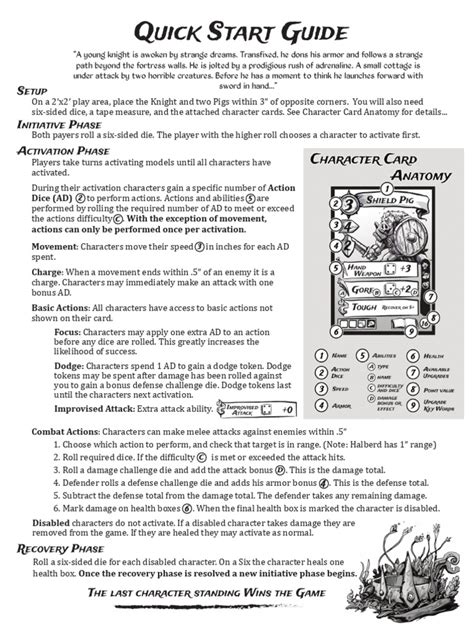
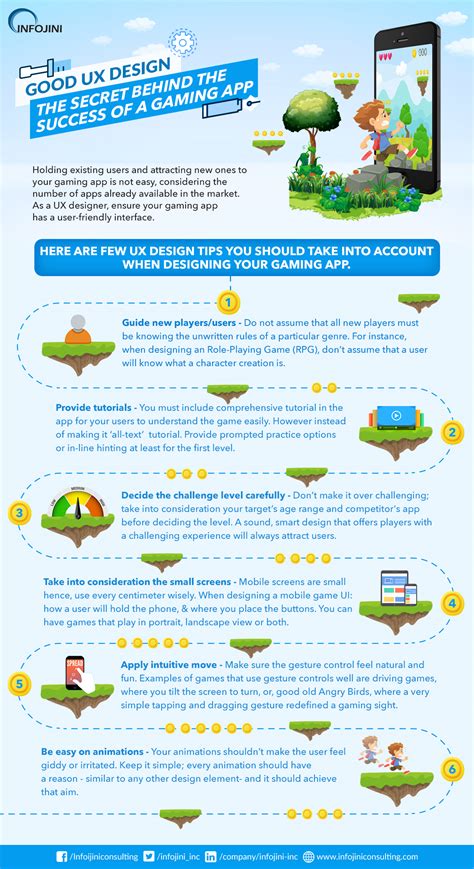
Clearly explain fundamental controls (movement, interaction, basic attack). Use visual aids if possible (e.g., a simple keybind diagram). Briefly introduce the most important UI elements (health bar, mini-map, inventory) without going into excessive detail.
1.3 Initial Setup & Character Creation (If Applicable)
If there’s a character creation process or initial settings, guide players through the simplest, most effective choices for a beginner. Advise against choices that might complicate their early game.

Section 2: Step-by-Step for Early Successes (The “Quick Wins” Zone)
This is the heart of a beginner guide. Provide clear, actionable steps that lead to immediate, satisfying progress.
2.1 The First Mission/Task Walkthrough
Guide players through their very first objective. This should be a direct, step-by-step walkthrough, anticipating common pitfalls. For example: “Go to X location,” “Talk to Y NPC,” “Collect Z items.” Show them how to do it, not just what to do.
2.2 Explaining Core Mechanics as They Appear
Instead of front-loading all mechanics, introduce them naturally as they become relevant. If crafting is important later, don’t explain it until the player has gathered their first resources. Explain why a mechanic is important and how to use it for their current goal.
2.3 Highlighting Early Rewards & Progression
Point out when a player achieves a quick win: “Congratulations, you’ve crafted your first tool!” or “You’ve successfully completed your first quest and gained experience!” This positive reinforcement is vital for engagement.
Section 3: Beyond the Basics & Further Resources
Once players have a grasp of the fundamentals and have experienced a few quick wins, you can gently introduce more depth.
3.1 Introducing Intermediate Concepts
Briefly touch upon the next logical steps or mechanics they’ll encounter (e.g., “After this, you’ll unlock the skill tree,” or “Next, consider upgrading your gear”). Again, keep it high-level and avoid overwhelming detail.
3.2 Common Beginner Mistakes & How to Avoid Them
Provide a short list of typical errors beginners make and offer simple solutions. This helps prevent frustration down the line.
3.3 Where to Go Next (External Resources)
Suggest official game wikis, community forums, or reputable YouTube channels for players who want to dive deeper. This shows you’re thinking about their long-term engagement.
Formatting and Tone for Maximum Clarity
The presentation of your guide is almost as important as its content.
- Use Clear, Concise Language: Avoid long sentences and complex vocabulary.
- Employ Headings & Subheadings: Break up text into logical, scannable sections.
- Bullet Points & Numbered Lists: Excellent for instructions, requirements, or key takeaways.
- Bold Text for Emphasis: Highlight important terms, actions, or warnings.
- Positive & Encouraging Tone: Make the player feel capable and supported, not lectured.
- Consistent Formatting: Maintain a uniform look throughout the guide.
Conclusion
A truly effective beginner game guide is a roadmap to early success and sustained enjoyment. By focusing on clarity, simplifying complex information, and actively designing for quick wins, you empower new players to overcome initial hurdles and discover the rich experiences your game has to offer. Remember, the goal isn’t just to inform, but to inspire confidence and foster a love for the game from the very first click or button press.