How to structure a game’s “new player” guide for quick wins and core mechanics?

Crafting an Engaging First Impression
A new player’s first moments with your game are critical. A well-structured “new player” guide doesn’t just teach mechanics; it cultivates excitement, builds confidence, and fosters a desire to delve deeper. The goal is to onboard players effectively, ensuring they experience immediate satisfaction (“quick wins”) while grasping the fundamental building blocks (“core mechanics”) that define your game.

The Philosophy: Quick Wins Over Information Overload
Resist the urge to dump all information upfront. New players are often overwhelmed by complex systems. Instead, focus on a “learn by doing” approach. Guide them through small, achievable tasks that result in instant gratification. These quick wins reinforce positive actions and provide a sense of accomplishment, encouraging them to continue.
Prioritize Action and Engagement
- Immediate Playability: Get players into the game world and performing basic actions within minutes.
- Contextual Learning: Introduce mechanics as they become relevant, rather than in a dry tutorial menu.
- Positive Reinforcement: Celebrate small victories, even if they’re just basic movement or collecting an item.
Structuring Your Guide for Core Mechanic Mastery
While quick wins are essential for engagement, understanding core mechanics is vital for long-term retention. Your guide should introduce these concepts iteratively, building upon previous knowledge.
1. The “Welcome & First Step” Module
Start with a brief, exciting welcome and immediately give the player a simple, clear objective. This could be “Move to the glowing point,” “Pick up this sword,” or “Defeat this training dummy.” This initial objective should introduce the most basic movement or interaction mechanic.
2. Iterative Introduction of Core Systems
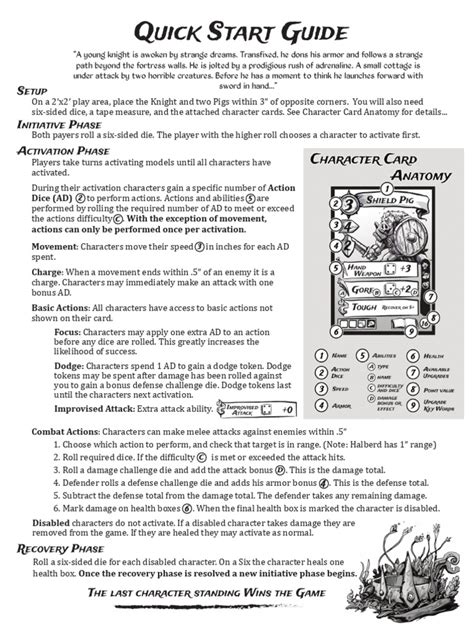
Once the player understands the absolute basics, introduce one new core mechanic at a time. For example:
- Movement & Basic Interaction: (Covered in step 1)
- Combat Basics: Introduce a single attack, then perhaps a block or special ability.
- Resource Management: If applicable, teach how to collect or use one type of resource.
- Inventory/Gear: Show them how to equip an item they just found.
Each new mechanic should be introduced with a simple, guided task that allows the player to practice it immediately and experience a quick win related to its use.
3. Highlighting the UI and Navigation
As new mechanics are introduced, gently point out relevant UI elements. Instead of a “UI Tour,” show them: “This is your health bar (after taking damage),” or “Click here to access your inventory (after finding an item).” Contextual pop-ups or visual cues are more effective than a static diagram.

4. The “What’s Next?” and Progression Hook
Once the initial core mechanics are covered and the player has achieved a few quick wins, provide a clear path forward. What’s the next logical step in the game? This could be the start of the first real quest, an introduction to a hub area, or a clear objective for sustained play. End the guide by empowering the player to continue exploring and learning independently.
Ensure the guide leaves players feeling competent and excited, not exhausted. The goal is to equip them with enough knowledge to enjoy the game’s initial challenges and pique their curiosity for its deeper systems.

Best Practices for Guide Content
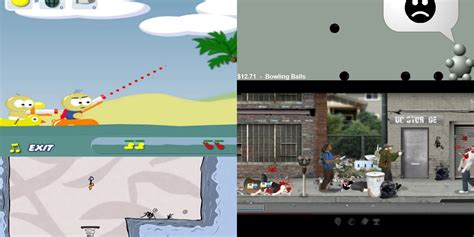
- Visuals First: Use screenshots, short videos, or animated GIFs where possible. Show, don’t just tell.
- Concise Text: Keep explanations brief and to the point. Use bullet points and bold text for readability.
- Clear Language: Avoid jargon. If game-specific terms are necessary, explain them simply.
- Interactive Elements: If your game engine allows, make parts of the tutorial interactive (e.g., clickable UI elements that highlight, practice zones).
- Playtest, Iterate, Optimize: Continuously test your guide with new players and refine it based on their feedback. Identify where players get stuck or confused.

Conclusion: Building Confident Explorers
A masterfully structured new player guide is an investment in your game’s longevity. By prioritizing quick wins and iteratively introducing core mechanics in a contextual, engaging manner, you transform potential frustrations into moments of discovery and confidence. This approach not only teaches players how to play but, more importantly, inspires them to want to play, setting them on a rewarding journey from novice to master.