How to structure a ‘first 5 minutes’ guide for new competitive game players?
The Critical Role of the First 5 Minutes in Competitive Games
In the fast-paced world of competitive online gaming, a new player’s initial experience can make or break their engagement. The ‘first 5 minutes’ guide isn’t just a tutorial; it’s a crucial onboarding tool designed to cut through complexity and provide immediate value, preventing new players from feeling overwhelmed and abandoning the game. This article will walk you through structuring such a guide effectively.

Why 5 Minutes is the Magic Number
The human attention span, especially online, is notoriously short. New players are often bombarded with complex UIs, vast character rosters, and intricate mechanics. A 5-minute guide acknowledges this reality, forcing you to distill the absolute essentials. The goal isn’t to teach everything, but to empower the player to take their first meaningful steps, experience a core loop, and feel a sense of accomplishment.
Focusing on this narrow window helps you prioritize: what absolutely MUST a player know to participate and enjoy their first interaction? Anything beyond that can wait.
Core Principles for an Effective 5-Minute Guide
- Simplicity is King: Avoid jargon and elaborate explanations. Use plain language.
- Action-Oriented: Encourage immediate interaction. Learning by doing is paramount.
- Focus on One Goal: Don’t try to teach multiple game modes or advanced strategies. Pick one core objective.
- Instant Gratification: Allow players to experience a small victory or a fun moment quickly.
- Reassurance: Let them know it’s okay not to be perfect and that deeper learning will come later.
Key Elements to Include in Your Guide
Here’s a breakdown of what you should aim to cover within those precious first five minutes:
1. The Absolute Basics: Controls and UI
Don’t assume anything. Briefly cover movement, primary interaction keys, and how to access essential menus (e.g., inventory, map if crucial). Highlight only the most frequently used UI elements – health bar, mini-map, basic ability icons. Everything else can be introduced progressively.
2. The Core Objective & Win Condition
What is the game *about* in its simplest form? Is it capturing points, eliminating opponents, or collecting resources? Explain the primary objective players will be pursuing in their very first match or engagement. This gives immediate context and purpose to their actions.
3. A Simple Character/Class Choice (If Applicable)
If your game has multiple characters or classes, guide them to a straightforward, forgiving option. Present one or two recommended choices with a very brief explanation of their role (e.g., “The Warrior: good for beginners, lots of health”). Overloading choice paralysis early on is a common pitfall.

4. Immediate Actionable Steps
Give them something to *do* right away. “Move to the glowing point,” “Attack the dummy,” “Select your first hero.” These small, directed tasks build confidence and familiarity.
5. The First Taste of Success
Structure the guide so the player achieves a small, tangible success. This could be successfully using an ability, defeating a first dummy enemy, or navigating to a specific spot. This early positive reinforcement is vital for continued engagement.
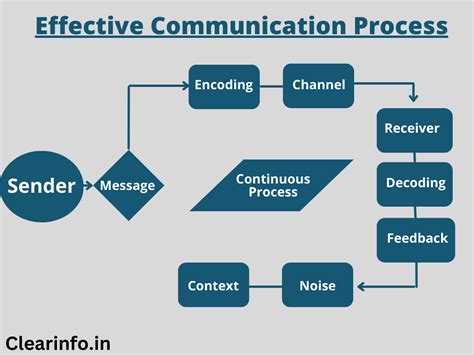
Structuring Your 5-Minute Guide
A typical flow might look like this:
- The Hook (15-30 seconds): A quick visual or statement that sets the tone and introduces the core concept of the game.
- Essential Controls & Movement (1 minute): Get them moving and interacting with the environment.
- Core Objective & First Action (1-2 minutes): Explain the goal and prompt them to take their first meaningful step towards it (e.g., “capture point A,” “attack enemy wave 1”).
- First Character/Ability Usage (1 minute): If applicable, guide them through selecting a simple character and using one core ability.
- Mini-Victory & What’s Next (30 seconds – 1 minute): Celebrate their initial success and clearly signpost where to go for more information or their first real match.

Common Pitfalls to Avoid
- Information Overload: Don’t try to explain the entire lore or every intricate mechanic.
- Too Much Text: Keep text minimal; rely on visuals and “show, don’t tell.”
- Jargon: Avoid game-specific terms that haven’t been introduced or explained.
- No Clear Goal: Players need a purpose for their first actions.
- Lengthy Cutscenes: Keep any cinematics short and impactful, or make them skippable.
Conclusion
A well-structured ‘first 5 minutes’ guide is an invaluable asset for any competitive game aiming for strong player retention. By prioritizing simplicity, action, and immediate gratification, you can transform a potentially intimidating experience into an exciting gateway, setting new players on a positive path toward mastery and long-term engagement.