How to structure a beginner game guide to avoid info overload for new players?

Welcoming new players into a complex game can be a delicate balance. While you want to provide them with all the necessary tools to succeed, bombarding them with too much information too soon often leads to frustration and disengagement. A well-structured beginner guide is crucial for fostering a positive initial experience and retaining players. This article outlines how to create a guide that educates without overwhelming.
Understanding the New Player Mindset
New players are often a mix of excitement and anxiety. They’re eager to jump into the game but can quickly feel lost when faced with unfamiliar mechanics, controls, and terminology. Their attention span for learning the absolute basics is often short, driven by the desire to play. A good guide anticipates this, focusing on building confidence through early successes rather than exhaustive explanations.
The primary goal isn’t to make them experts immediately, but to give them just enough information to take their first meaningful steps and understand what to do next. Think of it as a gentle hand-holding through the initial learning curve, not a deep dive into every possible strategy.

Key Principles for Avoiding Overload
Prioritize Core Mechanics
Before anything else, identify the absolute minimum a player needs to know to interact with the game. This typically includes movement controls, basic interaction (e.g., picking up items, attacking), and understanding the primary objective or tutorial quest. Everything else can wait. If a player can’t move or use their core ability, they can’t play.
Stick to the essentials for the very first sections. Resist the urge to explain advanced combat rotations, intricate crafting systems, or late-game faction politics. These are important for later, but irrelevant at minute one.
Progressive Disclosure
This is perhaps the most critical principle. Introduce information only as it becomes relevant to the player’s immediate situation or progression. For example, don’t explain how to manage a sprawling inventory system until the player has actually acquired a few items. Don’t detail complex skill trees until the player has gained their first level and has points to allocate.
Structure your guide so that new concepts are introduced incrementally, building upon previously learned information. This allows players to absorb and practice smaller chunks of information before moving on to more complex topics.
Structuring Your Guide for Clarity
Start with “The First 15 Minutes”
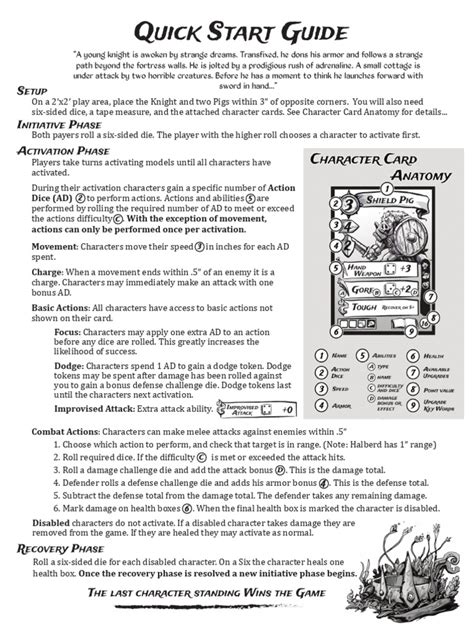
Dedicate an initial section to what a player should do immediately upon starting the game. This includes setting up controls, understanding the HUD, and completing the very first tutorial quest or objective. Make it actionable and direct, almost like a checklist.
Use Clear, Concise Language
Avoid game-specific jargon where possible, or explain it clearly the first time it’s used. Use short sentences and simple vocabulary. Long, dense paragraphs are intimidating. Break down explanations into bullet points or numbered lists whenever appropriate. Imagine you’re explaining the game to someone who has never played a video game before.

Break Down Information into Digestible Chunks
Organize your guide into distinct sections or chapters, each focusing on a single topic (e.g., “Basic Movement,” “First Combat Encounter,” “Understanding Your Inventory”). Use headings and subheadings to create a clear hierarchy of information. Each section should feel like a complete, manageable lesson.
Leverage Visuals and Examples
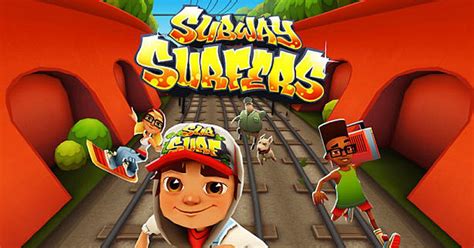
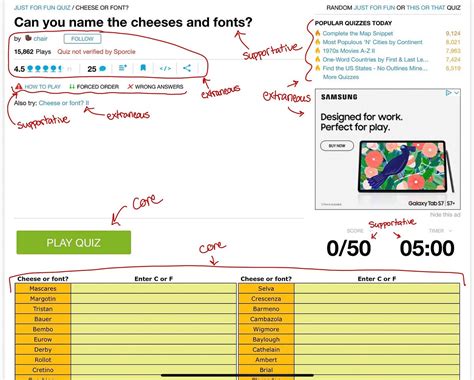
Show, don’t just tell. Screenshots of key UI elements, short GIFs demonstrating actions (like dodging or using an ability), or brief video clips can convey information far more effectively and quickly than text alone. Label screenshots clearly and point out what the player should be looking at or doing.
Real-world examples within the game context also help. Instead of saying “use your primary ability,” say “Press ‘Q’ to cast Fireball on the training dummy.”
Advanced Tips for Engagement
Include Optional “Deep Dive” Sections or Links
For players who are eager for more detail, provide optional sections or links to more advanced guides. This allows curious players to explore further without forcing the information on everyone at the beginning. A small “Learn More About X” link at the end of a basic section can be very effective.
Foster a Positive and Encouraging Tone
A good guide isn’t just informative; it’s also welcoming and encouraging. Acknowledge that learning a new game can be challenging and reassure players that it’s okay to make mistakes. Use phrases that empower them, like “You’ve got this!” or “Don’t worry, it gets easier.”
Conclusion
Crafting an effective beginner game guide is an art form. By understanding the new player’s perspective, prioritizing core mechanics, employing progressive disclosure, and structuring content with clarity and visuals, you can create a guide that genuinely helps new players embark on their gaming journey. The goal is to make the initial learning experience as smooth and enjoyable as possible, encouraging them to stick around and explore the depths of your game without feeling overwhelmed from the start.