How to spot truly F2P-friendly gacha games and avoid predatory pay-to-win pitfalls?
Gacha games have taken the mobile gaming world by storm, offering an exciting blend of collection, strategy, and often stunning visuals. However, beneath the polished surface, many hide aggressive monetization schemes designed to extract as much money as possible from players, often categorized as ‘pay-to-win’ (P2W). For players who prefer the ‘free-to-play’ (F2P) route, navigating this landscape can be treacherous. The good news is, truly F2P-friendly gacha games do exist. The trick is knowing how to spot them.
Understanding the F2P vs. P2W Spectrum
Before diving into specific indicators, it’s crucial to understand the fundamental difference. An F2P-friendly game allows players to progress, enjoy the core content, and even compete effectively without spending real money. Monetary purchases are often for convenience, cosmetics, or to speed up an already accessible progression path. Conversely, a P2W game either gates essential content behind paywalls, makes F2P progression agonizingly slow, or gives paying players such a significant statistical advantage that F2P players stand little chance.
Red Flags: Warning Signs of Predatory P2W
When evaluating a new gacha game, keep an eye out for these tell-tale signs of a potentially predatory model:
- Scarcity of Free Premium Currency: If daily quests, events, and story mode reward negligible amounts of the game’s primary gacha currency, it’s a huge red flag. You’ll quickly hit a wall if you can’t consistently pull new characters or items.
- Aggressive Stamina Systems: Games that severely limit playtime through a rapidly depleting stamina bar, coupled with expensive stamina refills, force you to either wait excessively or pay to play more.
- Direct Power Buys: Offers that let players directly purchase top-tier characters, equipment, or significant power boosts with real money, giving them an insurmountable advantage over F2P players.
- Mandatory Duplicates/Shards: If a character only becomes viable after pulling multiple copies (dupes) or collecting hundreds of character shards, and these are primarily available through expensive gacha pulls or limited-time bundles, the game is designed to make you spend.
- Rapid Power Creep: A game that frequently releases new units that significantly outclass existing ones, rendering previous investments (F2P or otherwise) obsolete in a short period, indicates a desire to keep players spending to stay competitive.
- PVP Dominated by Whales: While some advantage is natural, if the player-vs-player (PVP) modes are entirely unplayable for F2P players due to vastly superior paid units, it signifies a deep P2W imbalance.
Green Lights: Indicators of F2P Friendliness
On the flip side, truly F2P-friendly gacha games often exhibit these positive traits:
- Generous Free Currency & Rewards: Daily logins, weekly quests, events, achievements, and story progression all provide a healthy stream of premium gacha currency, allowing F2P players to make consistent pulls.
- Viable F2P Units: The game offers a selection of strong, accessible characters or units that can be earned and upgraded through gameplay without spending. These units are often capable of clearing most, if not all, content.
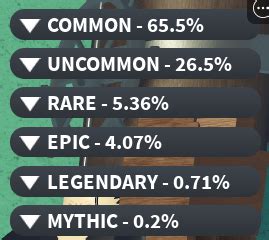
- Reasonable Gacha Rates & Pity Systems: Transparent drop rates for rare units, coupled with a ‘pity’ system that guarantees a rare pull after a certain number of attempts, provide predictability and reduce frustration.
- Meaningful Progression without Spending: F2P players can progress through the game’s core content, upgrade their units, and build strong teams through consistent effort and smart resource management.
- Skill & Strategy Over Pure Power: Games where strategic team composition, tactical decision-making, and understanding game mechanics can overcome raw power differences are often more F2P-friendly.
- Cosmetic-Focused Monetization: The primary monetization comes from optional cosmetic skins, emotes, or convenience items that don’t directly impact gameplay power.
- Developer Transparency & Communication: Developers who actively communicate with their community, address concerns, and provide clear roadmaps often foster a healthier game environment.
How to Evaluate a Gacha Game’s F2P Stance
When considering a new gacha game, apply these steps:
- Research & Reviews: Before downloading, check reviews from reputable gaming sites, watch F2P-focused YouTube content creators, and read discussions on Reddit or Discord communities. Players are usually vocal about a game’s monetization.
- Play the Tutorial & Early Game: Pay attention to the initial generosity. Does the game give you enough free pulls to get started? How quickly do you earn premium currency from early quests?
- Examine Event Structures: Are events designed in a way that F2P players can realistically participate and earn valuable rewards, or are they heavily skewed towards top spenders?
- Check Character/Unit Viability: Look up tier lists and community discussions. Are there highly-rated characters that are easily obtainable or farmable for F2P players?
- Monitor for Power Creep: After a few weeks or months, observe if newly released characters constantly invalidate older ones, pushing players to continuously summon.
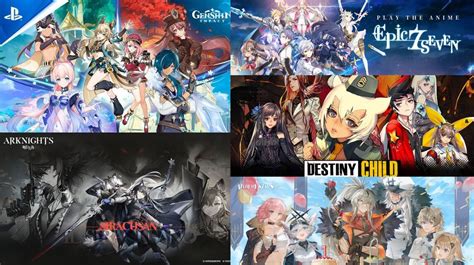
![Best Mobile Gacha Games in 2025 [Including Gacha Rates]](/images/aHR0cHM6Ly90czMubW0uYmluZy5uZXQvdGg/aWQ9T0lQLi1jSWwyTEU1NVU3RUtDdmhBd0hMS3dIYUQ0JnBpZD0xNS4x.webp)
Conclusion
Finding a truly F2P-friendly gacha game requires a discerning eye and a bit of homework. By understanding the common red flags and green lights, and by taking the time to research and test new titles, you can enjoy the thrill of collection and progression without falling into the predatory pay-to-win traps. Remember, a good gacha game should be fun and rewarding, regardless of your spending habits.