How to spot predatory monetization in F2P mobile games?

Free-to-play (F2P) mobile games have revolutionized the gaming landscape, offering instant entertainment without an upfront cost. However, this model often relies on in-app purchases (IAPs) for revenue, and not all monetization strategies are created equal. While many F2P games implement fair and optional purchases, a significant number employ predatory tactics designed to exploit players’ psychology and wallets.
Understanding the F2P Business Model
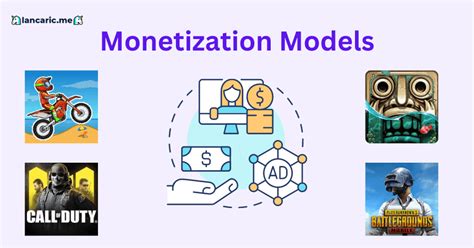
The F2P model fundamentally means players don’t pay to download or start playing. Developers generate revenue primarily through optional purchases within the game, such as cosmetic items, convenience features, or power-ups. When executed ethically, this model can be highly successful, allowing a broad audience to enjoy games while dedicated fans support continued development. The line becomes blurred, however, when mechanics are designed to pressure or trick players into spending beyond their means or intent.

Key Indicators of Predatory Monetization
1. Dark Patterns and Psychological Manipulation
Dark patterns are user interface choices specifically designed to trick users into doing things they might not otherwise do, such as making a purchase or signing up for a subscription. In mobile games, these often manifest as:
- Forced Scarcity & FOMO (Fear Of Missing Out): Limited-time offers, “flash sales” with countdown timers, or exclusive items that create urgency and pressure to buy immediately.
- Misleading UI: Buttons for purchasing gems or bundles being more prominent or easier to click than gameplay buttons, or deceptive “free trial” offers that auto-renew into expensive subscriptions.
- Sunk Cost Fallacy: Making players invest a significant amount of time or a small amount of money, then creating new barriers that can only be overcome by spending more, leveraging the psychological desire not to “waste” previous efforts.

2. Aggressive “Pay-to-Win” (P2W) Mechanics
While many games offer purchases that provide a slight advantage, P2W becomes predatory when core progression, competitive viability, or even basic enjoyment is heavily gated behind spending money. This can include:
- Essential Power-Ups for Purchase: Characters, gear, or abilities crucial for advancement that are difficult or impossible to obtain through gameplay alone.
- Unfair Matchmaking: Pitting free players against “whales” (heavy spenders) in competitive modes, creating an imbalance that encourages free players to spend to compete.
- Time Walls & Energy Systems: Severely limiting gameplay sessions unless players spend money to refill energy or skip long wait timers for upgrades/builds. This directly impacts the ability to play the game unless you pay.
3. Gacha, Loot Boxes, and Gambling-Like Systems
These mechanics involve spending premium currency (often bought with real money) for a chance to receive a random item of varying rarity. They closely mimic gambling and are particularly controversial due to their addictive potential, especially for younger audiences. Look out for:
- Obscure Drop Rates: When the chances of getting desirable items are not clearly disclosed or are extremely low.
- “Pity Timers” (or lack thereof): While some gacha systems offer a “pity timer” guarantee after a certain number of pulls, others offer no such safeguard, leading to potentially endless spending with no reward.
- Exclusive Characters/Items: Core game elements locked behind purely random gacha pulls.
4. Subscription Traps and Auto-Renewals
Some F2P games introduce subscriptions that promise daily rewards or perks. While not inherently predatory, they become so when:
- Difficult Cancellation: Making it intentionally hard to find the cancellation option, burying it deep in menus or requiring external platform (e.g., App Store/Google Play) management.
- Confusing Terms: Vague language around renewal dates, pricing changes, or what happens if you don’t renew.
- High Cost for Low Value: The promised perks do not justify the recurring expense, especially if they are designed to push further spending.
Protecting Yourself and Others
Being aware of these tactics is the first step. Here’s how to navigate F2P games safely:
- Research Reviews: Before investing time or money, check reviews specifically mentioning monetization practices.
- Set Spending Limits: Use platform-level controls (App Store, Google Play) to set limits on in-app purchases or require passwords for every transaction.
- Avoid Impulse Buys: If you feel pressured by a limited-time offer, step away from the game for a bit.
- Understand the Value: Critically assess whether an item or subscription truly enhances your enjoyment or is just a temporary fix for an artificial problem.
- Educate Younger Players: If children play F2P games, teach them about these mechanics and supervise their spending.
- Report Abuses: If you encounter particularly egregious predatory practices, report them to the platform (Apple, Google) or relevant consumer protection agencies.

Conclusion
F2P mobile games can provide hours of entertainment, but it’s crucial for players to distinguish between fair, optional monetization and exploitative schemes. By recognizing dark patterns, aggressive P2W, gacha mechanics, and subscription traps, you can make informed decisions, protect your finances, and encourage developers to adopt more ethical monetization strategies for a healthier gaming ecosystem.