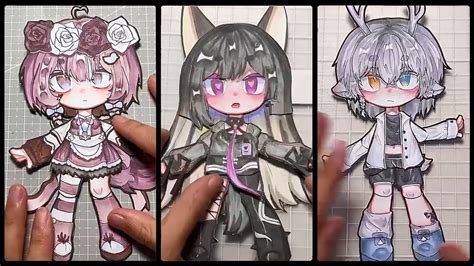
How to spot predatory Gacha design in F2P games & play smart?

Navigating the World of Free-to-Play and Gacha
Free-to-play (F2P) games have revolutionized the gaming landscape, offering instant access to entertainment without an upfront cost. However, many F2P titles rely on monetization strategies, chief among them being Gacha mechanics. While not inherently evil, Gacha can often veer into predatory territory, designed to exploit psychological vulnerabilities and encourage excessive spending. Understanding how to spot these designs and play smart is crucial for a healthy gaming experience.
What Exactly is Gacha?
Originating from Japanese vending machines that dispense random toys (Gashapon), Gacha in games refers to a monetization system where players spend real or virtual currency to receive a random item from a pool. These items can range from powerful characters and rare equipment to cosmetic skins and in-game resources. The appeal lies in the thrill of chance and the desire for high-value, rare rewards.

Spotting the Red Flags of Predatory Gacha Design
Predatory Gacha design isn’t always obvious. It’s often woven subtly into the game’s core loop, making it hard to distinguish from fair monetization. Here are key indicators to watch out for:
- Abysmally Low Drop Rates for Desirable Items: The most sought-after characters or items often have a minuscule chance of being acquired (e.g., 0.1% or less). While rare items should be rare, rates so low they necessitate hundreds or thousands of dollars for a reasonable chance are a major red flag.
- Lack of Transparent Drop Rates: If a game doesn’t clearly display the odds for every item in its Gacha, it’s a huge warning sign. Transparency is key to fair play.
- High Cost Per Pull: The price of a single or multi-pull using premium currency is disproportionately high compared to the value of the rewards, especially considering the low drop rates.
- Meaningless Pity Systems or None at All: A ‘pity timer’ guarantees a rare item after a certain number of failed pulls. Predatory designs might have extremely high pity counts, reset pity after any rare pull (even an undesirable one), or simply lack a pity system altogether.

- Aggressive Time-Limited Offers (FOMO): Constant pop-ups and notifications about limited-time banners, bundles, or events that create a ‘Fear Of Missing Out’ (FOMO) and pressure players to spend impulsively before an item is gone forever.
- Rapid Power Creep: New characters or items are consistently introduced that significantly outclass existing ones, making previous investments feel obsolete and compelling players to pull for the latest meta.
- Bundling Desirable Items with Undesirable Ones: Offers that include one highly sought-after item but force you to buy a bundle filled with less useful or already owned items, inflating the cost.
- “Whale Hunting” Mechanics: Systems designed to extract vast sums of money from a small percentage of high-spending players, often through leaderboards, competitive events, or progression systems that become impossibly slow without spending.

Playing Smart: Strategies to Enjoy F2P Without Overspending
You can still enjoy Gacha games without falling prey to their manipulative designs. It requires discipline, awareness, and a shift in mindset:
- Set a Strict Budget (or No Budget): Decide how much, if anything, you are willing to spend each month, and stick to it. Better yet, commit to being entirely Free-to-Play.
- Do Your Research: Before investing heavily, look up reviews, community discussions, and gameplay guides. Understand the meta, the value of specific characters, and the actual drop rates.
- Prioritize Fun Over Collection: Don’t feel compelled to collect every single character or item. Focus on building a fun, viable team with what you have, rather than chasing the absolute strongest.
- Utilize Free Resources Wisely: Most Gacha games offer ways to earn premium currency or pulls through gameplay. Save these resources for banners or items you genuinely want, instead of spending them impulsively.
- Be Aware of Psychological Triggers: Recognize when the game is trying to manipulate you with FOMO, bright lights, exciting sounds, or streaks of bad luck followed by a tempting offer. Step away if you feel pressured.
- Avoid Chasing the Meta: The meta in Gacha games constantly shifts. Instead of trying to keep up with every new release, find a playstyle you enjoy and build around characters you like, even if they’re not top-tier.
- Know When to Walk Away: If a game consistently frustrates you with its monetization, if you find yourself spending more than you intended, or if it stops being fun, it’s okay to quit. There are countless other games to enjoy.

Conclusion
Gacha mechanics are a prominent feature of many F2P games, offering excitement and progression. However, vigilance is key to distinguishing between fair monetization and predatory design. By understanding the red flags and adopting smart playing habits, you can enjoy these games for what they are – entertainment – without falling victim to manipulative tactics that aim to drain your wallet. Play responsibly, prioritize your enjoyment, and never let a game dictate your spending habits.