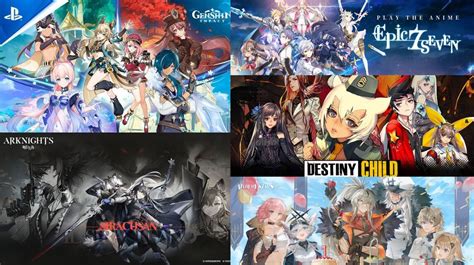
How to spot predatory F2P gacha monetization and find games with fair value?
Navigating the World of Free-to-Play Gacha Games
Free-to-Play (F2P) games, especially those employing gacha mechanics, have become a cornerstone of the modern gaming landscape. Offering instant access and often high production values, they draw millions of players. However, this accessibility comes with a significant caveat: not all monetization strategies are created equal. While many F2P titles offer genuine fun and fair opportunities, a concerning number employ predatory tactics designed to exploit player psychology and wallets. Understanding the difference is crucial for any gamer looking to enjoy their hobby without falling into costly traps.
Understanding the Gacha Model
At its core, gacha monetization is inspired by Japanese vending machine capsules, where players spend small amounts of currency for a chance to receive a randomized item. In video games, these ‘items’ are typically characters, gear, cosmetics, or resources. The thrill of the pull, combined with the rarity of highly desirable items, creates a powerful psychological hook. While the gacha system itself isn’t inherently evil, its implementation dictates whether it’s fair or exploitative.

Red Flags of Predatory Monetization
Identifying predatory practices requires a keen eye for subtle and not-so-subtle cues. Here are key indicators that a game might be trying to take advantage of you:
- Aggressive Push for Spending: Constant pop-ups, limited-time offers with countdown timers, and premium currency bundles that feel mandatory rather than optional. Games that make you feel pressured to spend within the first few hours are highly suspect.
- Manipulative Psychological Tactics: Heavy reliance on Fear Of Missing Out (FOMO) with rotating, exclusive banners; the sunk cost fallacy, where you’ve invested so much time and money you feel compelled to continue; and ‘whale’ hunting, where the game is designed to extract massive sums from a small percentage of high-spending players.
- Abysmally Low Drop Rates with No Pity: Desirable items having less than a 1% chance, combined with a lack of a guaranteed ‘pity’ system after a certain number of pulls, or a pity system that resets frequently, making it nearly impossible for F2P players to acquire top-tier content.
- Pay-to-Win Mechanics: Content, characters, or power levels that are effectively gated behind significant spending. If PvP or late-game content becomes unplayable without pouring money into gacha rolls, it’s a pay-to-win trap.
- Lack of Transparency: Unclear drop rate percentages, vague descriptions of gacha mechanics, or developers who are unresponsive to player concerns about fairness.
- Constant Power Creep: Introducing new, overwhelmingly powerful characters or gear at a rapid pace, quickly invalidating previous expensive purchases and forcing players to spend again to keep up.
- Excessive Grind Without Spending: Making core progression so slow and tedious that purchasing boosters or premium currency becomes the only viable path to enjoy the game.
Identifying Fair-Value Gacha Games
Not all F2P gacha games are bad. Many developers genuinely strive to offer a fun experience that respects player time and money. Look for these positive signs:
- Generous Premium Currency & Rewards: Games that offer a substantial amount of premium currency through gameplay, events, and daily logins, allowing F2P players to consistently engage with the gacha system.
- Reasonable Drop Rates and Robust Pity Systems: Clear, published drop rates that aren’t laughably low for desirable items, and a transparent, accessible pity system that guarantees rare pulls after a manageable number of attempts.
- Cosmetic-Focused Monetization: The primary monetization is centered around optional cosmetic items (skins, emotes, base decorations) that do not affect gameplay balance. This allows players to support the game without feeling pressured to gain a competitive edge.
- Content Accessible to F2P Players: The core game, story, and most challenging content should be conquerable through skill, strategy, and time, rather than requiring specific gacha pulls.
- Transparent Communication: Developers who clearly communicate changes, future plans, and respond to community feedback, especially regarding monetization and game balance.
- Respect for Player Time: While a grind is expected in F2P, it shouldn’t feel exploitative. Progression should feel meaningful, and daily tasks shouldn’t consume an unreasonable amount of time.

Empowering Yourself as a Player
Beyond identifying the game’s mechanics, your personal approach as a player is equally important:
- Do Your Research: Before diving deep, check reviews, watch gameplay videos, and read community discussions. Player experiences are often the most accurate indicator of a game’s monetization fairness.
- Set Spending Limits: Decide how much, if anything, you’re willing to spend before you start playing, and stick to it. Never chase a rare item with money you can’t afford to lose.
- Focus on Enjoyment, Not Collection: Remember that games are for fun. If the constant desire to ‘get them all’ or ‘be the best’ becomes a source of stress or financial strain, it’s time to re-evaluate your relationship with the game.

Conclusion: Play Smart, Spend Wisely
The F2P gacha market is vast and constantly evolving. While the allure of free entertainment is strong, it’s vital to approach these games with an informed and critical mindset. By recognizing the warning signs of predatory monetization and actively seeking out games that value their players, you can enjoy the best that F2P has to offer without becoming a victim of exploitative practices. Play smart, spend wisely, and make your gaming experience truly enjoyable.