How to spot pay-to-win (P2W) mobile games before investing time?

Mobile gaming offers an incredible range of experiences, from casual puzzles to hardcore RPGs. However, the rise of “pay-to-win” (P2W) mechanics can quickly sour the enjoyment, turning skill and dedication into a secondary factor behind the size of your wallet. Investing hours or even days into a game, only to hit an insurmountable paywall, is a frustrating experience. Fortunately, with a keen eye and a bit of detective work, you can often spot P2W games before they claim too much of your precious time.
Understanding Pay-to-Win
At its core, a pay-to-win game is one where players can gain a significant competitive advantage or accelerate essential progression through real-money purchases that are not reasonably achievable through free gameplay. This isn’t just about cosmetics or minor conveniences; it’s about power, resources, or progression crucial to success. Knowing what P2W truly means is the first step in identifying it.
Early Warning Signs in Game Descriptions and Ads
Before you even download a game, its marketing materials can offer crucial clues. Pay close attention to:
- Keywords: Look for phrases like “VIP system,” “exclusive bundles,” “time-limited offers for powerful gear,” or heavy emphasis on “resource packs” and “instant upgrades” rather than skill or strategy.
- Ad Content: If game ads predominantly showcase players instantly acquiring powerful items or characters by clicking a “buy” button, rather than through gameplay, it’s a red flag.
- Game Type: Certain genres are more prone to P2W, such as mobile MMORPGs, strategy games (4X), and gacha-style RPGs where character acquisition and progression are paramount. While not all games in these categories are P2W, they warrant closer scrutiny.
Analyzing User Reviews and Community Feedback
The collective experience of other players is an invaluable resource. Before diving in:
- App Store Reviews: Filter reviews by “most recent” and look for recurring complaints about “greedy developers,” “can’t progress without paying,” “paywall,” or “P2W.” Be wary of games with a suspiciously high number of generic 5-star reviews or very short, vague positive comments, which might indicate review manipulation.
- Online Forums & Reddit: Search for the game title on platforms like Reddit or dedicated gaming forums, combined with terms like “P2W,” “cash grab,” or “progression issues.” Players are often very vocal about unfair monetization.
- YouTube & Twitch: Watch gameplay videos from content creators, especially those who review mobile games. They often highlight monetization mechanics and whether a game feels fair for free-to-play players.

Spotting P2W Mechanics During Initial Play
If you’ve decided to give a game a try, the first hour or two can reveal a lot:
Energy/Stamina Systems: Are these systems overly restrictive, quickly depleting and taking hours to recharge, with expensive premium currency refills being the only viable alternative? This gates content behind a paywall.
Gacha/Loot Box Reliance: Is essential character acquisition, gear, or stat upgrades heavily reliant on random draws from loot boxes, with extremely low drop rates for desirable items and high costs for pulls? If you need dozens of duplicates to max out a character, that’s a sign.
Resource Scarcity: Do basic resources (gold, crafting materials, upgrade tokens) become incredibly scarce very early on, while the in-game shop offers abundant bundles for real money? This creates a bottleneck that paying can circumvent.
Aggressive Timers: Long build times, upgrade times, or wait times that are only bypassable with premium currency are common. If these timers become excessively long very quickly, it signals a P2W pressure point.
VIP Systems: Games with tiered VIP systems that offer significant in-game advantages (e.g., increased resource gain, bonus stats, exclusive content) to paying players are almost always P2W. The higher the VIP level, the greater the advantage.
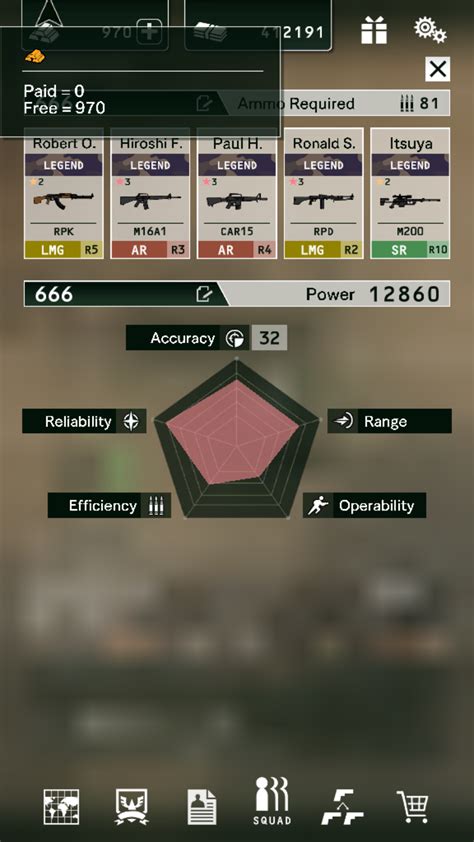
Direct Power Purchases: The most blatant form: direct sales of powerful characters, weapons, or significant stat-boosting items for real money. If the best gear is just bought, not earned, it’s P2W.
The Monetization Model: A Deep Dive
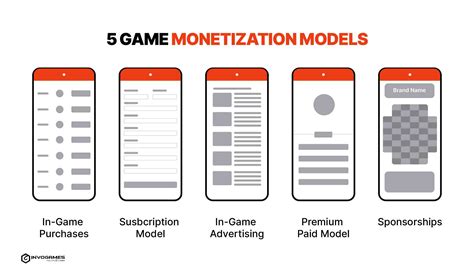
Before you get too invested, take a critical look at the in-game store. What are they primarily selling? If it’s mostly cosmetics, convenience items, or optional expansions, the game is likely fairer. However, if the store is dominated by:
- “Starter packs” or “beginner bundles” that offer a significant power spike.
- Daily/weekly deals that promise to fix resource bottlenecks.
- Packs containing rare characters, exclusive gear, or large quantities of premium currency needed for competitive play.
These are strong indicators that the game expects you to pay to keep up or progress effectively.
Conclusion: Play Smart, Not Hard (on your wallet)
Identifying pay-to-win mobile games requires a combination of vigilance, research, and critical observation. By paying attention to early marketing, scrutinizing player feedback, and analyzing in-game mechanics and store offerings, you can protect your time and ensure your mobile gaming experience remains genuinely fun and rewarding. Don’t let clever monetization tactics trick you into investing in a game that prioritizes your money over your enjoyment.