How to spot ‘pay-to-win’ mechanics in new mobile games without spending?
Navigating the Free-to-Play Landscape
The mobile gaming market is flooded with thousands of titles, many of which adopt the ‘free-to-play’ (F2P) model. While this allows players to dive in without an initial investment, it often comes with a hidden cost: ‘pay-to-win’ (P2W) mechanics. These systems pressure players to spend real money to gain significant advantages, progress meaningfully, or simply keep up with others. For many, this diminishes the fun and fairness of the game. The good news is, you don’t have to open your wallet to identify these insidious designs.
Understanding ‘Pay-to-Win’
At its core, a ‘pay-to-win’ game allows players who spend money to acquire advantages that cannot be reasonably obtained through gameplay alone, or at least not in a comparable timeframe. This could include powerful gear, exclusive characters, crucial resources, or faster progression. The goal for developers employing P2W is to monetize player frustration or desire for superiority.
Key Indicators of P2W Mechanics (Without Spending)
Even before spending a dime, several red flags can alert you to a game’s P2W potential. Observing these signs early can save you time, money, and the inevitable disappointment.
1. Aggressive Resource Scarcity and Timers
One of the most common P2W tactics is artificially limiting resources (e.g., energy, building materials, crafting components) or imposing long wait times on actions. If you find yourself constantly running out of ‘energy’ or waiting hours for simple upgrades just minutes into the game, that’s a major warning sign. The game often offers immediate solutions for a price.
2. Obvious ‘Bottlenecks’ in Progression
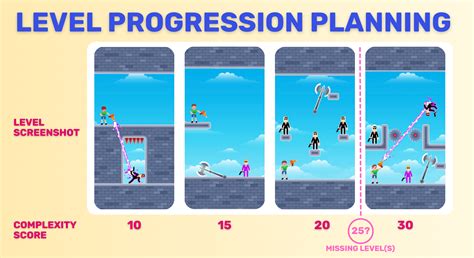
Do you hit a sudden, unyielding wall in the game’s difficulty or progression path very early on? This could be a specific level, a boss fight, or a resource requirement that seems impossible to overcome without an extraordinary grind or, more conveniently, a cash purchase. These bottlenecks are designed to frustrate you into spending.
3. Premium Currency Dominance
Take a look at the in-game shop and UI. If the game heavily features a premium currency (gems, diamonds, gold bars, etc.) that seems to be required for almost every significant action or item, and it’s sparsely awarded through gameplay, this is a strong indicator. Especially if these purchases offer direct power advantages.
4. Unbalanced PvP or Leaderboards
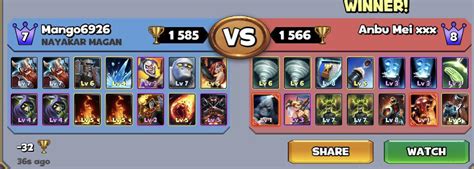
If the game features competitive multiplayer (PvP) or leaderboards, try to gauge the playing field. Does it seem like free players are consistently outmatched by players with vastly superior stats or equipment? While skill always plays a role, a massive disparity early on often points to purchasable power. Observe community discussions or watch streaming gameplay to see if this trend holds true.
5. Abundant and Aggressive Pop-Up Offers
Many games feature in-app purchases, but P2W titles often bombard you with pop-up offers, limited-time deals, and enticing bundles from the moment you start. If these offers appear constantly, interrupt gameplay, and push items that provide significant power boosts, it’s a clear signal that the game prioritizes monetization over player experience.
Testing a Game’s P2W Potential Without Spending
Beyond observation, you can actively investigate a game’s P2W nature:
1. Read Reviews and Community Feedback
Before even downloading, check app store reviews. Filter by ‘most critical’ or ‘most recent’ to catch complaints about P2W. Visit Reddit, official forums, or Discord servers for the game. Players are usually very vocal about unfair monetization.
2. Watch Gameplay Videos and Streams
Search for ‘free-to-play progression’ or ‘new player guide’ videos. Pay attention to how quickly free players hit walls or how often streamers interact with the in-game store. This offers a visual representation of the grind and monetization pressure.

3. Analyze the In-Game Store Offerings
Even without buying, you can browse the shop. What’s for sale? Are they cosmetic items, convenience features, or direct power upgrades (e.g., specific weapons, characters, stat boosts, large bundles of scarce resources)? The more direct power for sale, the higher the P2W risk.

Conclusion
While the allure of a ‘free’ game is strong, it’s crucial to approach new mobile titles with a critical eye. By understanding the common signs and utilizing readily available resources like community feedback and gameplay videos, you can effectively spot ‘pay-to-win’ mechanics without ever spending a cent. This allows you to choose games that respect your time and provide genuine enjoyment, rather than just another avenue for monetization.