How to spot mobile game pay-to-win mechanics before I invest time?
Navigating the Free-to-Play Landscape: Understanding Pay-to-Win
Mobile gaming has revolutionized how we play, offering countless titles at our fingertips, often for free. However, the “free-to-play” model often comes with a hidden cost: pay-to-win (P2W) mechanics. These systems are designed to encourage or even necessitate spending real money to progress effectively, gain significant advantages, or unlock essential content. For players looking to enjoy a game without constantly feeling pressured to open their wallets, spotting these mechanisms early is crucial.
Identifying P2W isn’t just about saving money; it’s about preserving your time and enjoyment. Investing hours into a game only to hit an insurmountable paywall or realize that your progress is severely throttled without spending can be incredibly frustrating. This guide will equip you with the knowledge to recognize the tell-tale signs of P2W before you commit your precious time.

Common Pay-to-Win Mechanics to Watch For
P2W systems are diverse, but they generally fall into a few key categories that directly impact a player’s ability to compete or progress. Understanding these categories is the first step in early detection.
Energy and Stamina Systems
Many games limit how much you can play consecutively by implementing energy or stamina bars that deplete with each action. Once empty, you either wait for it to refill over time or pay premium currency to instantly top it up. If core gameplay activities are heavily gated by these systems and refilling options are prominently advertised, it’s a strong P2W indicator.
Premium Currencies and Resources
Almost all free-to-play games feature an in-game currency that can be purchased with real money. The P2W aspect arises when this premium currency is essential for acquiring powerful items, speeding up build times, instantly completing tasks, or unlocking exclusive content that gives a significant competitive edge or dramatically accelerates progress beyond what free players can achieve.
Loot Boxes and Gacha Systems
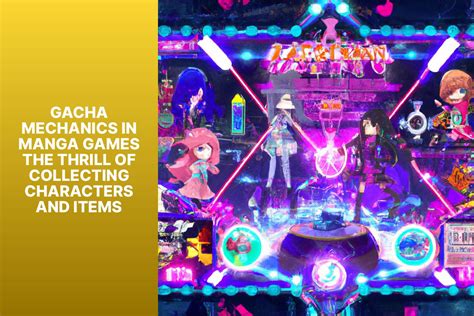
These are gambling-like mechanics where players spend currency (often premium) for a chance to receive random in-game items, characters, or upgrades. If the best or most meta-defining elements are primarily obtainable through low-probability loot boxes, and there’s no clear, reliable path for free players to acquire them, it’s a classic P2W model.
Time Gates and Progression Bottlenecks
Some games artificially slow down player progression by making upgrades, research, or character training take an exceedingly long time. While waiting is an option, the game invariably offers an instant completion button for a fee. If the disparity between free progression time and paid instant gratification is vast, it signals P2W intent.
How to Spot P2W Before You Download
Thankfully, you don’t always need to play for hours to unmask a P2W game. Here’s how to conduct a quick pre-investment check:
Scrutinize App Store Descriptions and Screenshots
Look for mentions of “in-app purchases” (which almost all free games have, but the extent matters). Pay close attention to screenshots and trailers. Do you see prominent VIP levels, multiple complex currency types, or advertisements for “starter packs” promising huge advantages? These are often red flags.
Read Reviews and Community Feedback
Player reviews on app stores, Reddit, YouTube, and specialized gaming sites are invaluable. Search for terms like “P2W,” “paywall,” “money,” “grind,” “unfair,” or “greedy.” If a significant number of players are complaining about these issues, trust their collective experience.
Watch Gameplay Videos
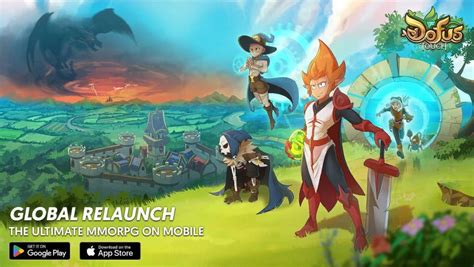
Before downloading, watch some early gameplay videos (especially “first impressions” or “is it P2W?” reviews) on YouTube or Twitch. Content creators often highlight monetization practices early on, showing the shop, upgrade systems, and how premium currencies are integrated.
Check for VIP Systems or Battle Passes
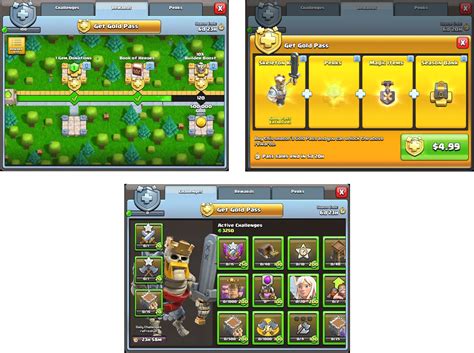
While not inherently P2W, their implementation can be. A “VIP” system that grants substantial, permanent gameplay advantages (like increased resource gains, exclusive units, or stronger stats) based on cumulative spending is a clear P2W mechanic. Similarly, a Battle Pass that offers significantly better rewards for paying members, especially if the free track is almost useless, can lean P2W if the premium rewards are game-changing.
The Early Gameplay Test
If initial checks are inconclusive, a brief dive into the game itself can confirm suspicions. During the tutorial or first hour of play, observe:
- How quickly do you encounter limitations (energy, building timers)?
- How prominent are ads for purchasing premium currency or starter packs?
- Does the game immediately introduce powerful characters or items available only via purchase or gacha pulls?
- Is there a “first purchase bonus” that seems too good to be true, often for a very low price point? These are designed to hook you into spending.
By staying vigilant and knowing what to look for, you can save yourself from the frustration of time wasted on games designed more to extract money than to provide a fair and enjoyable experience. Choose your mobile games wisely, and prioritize fun over financial pressure.