How to spot manipulative monetization in free mobile games & play smarter?

Navigating the Free-to-Play Landscape
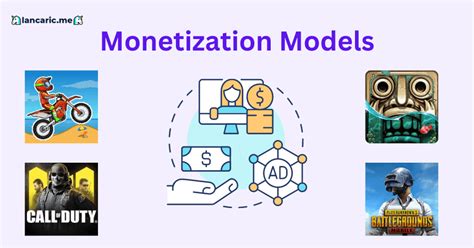
Free-to-play (F2P) mobile games have revolutionized the gaming industry, offering instant access to entertainment without an upfront cost. While many F2P titles offer genuine value and fun, a significant number employ sophisticated monetization strategies that can subtly, or sometimes overtly, manipulate players into spending money. Understanding these tactics is crucial for enjoying your gaming experience without falling victim to predatory practices.
The F2P model relies on various methods to generate revenue, from optional cosmetic purchases to systems that accelerate progress. The line between ethical monetization and manipulative design can often be blurry. The goal for players isn’t to boycott all F2P games, but to play smarter and recognize when a game crosses that line.
Unmasking Common Manipulative Tactics
1. The “Pay-to-Win” (P2W) Trap
This is perhaps the most frustrating form of manipulative monetization. P2W games offer clear advantages to players who spend real money, often in the form of powerful items, characters, or significant boosts that are difficult or impossible to obtain otherwise. This creates an uneven playing field, pressuring non-spenders to open their wallets just to keep up or remain competitive.
2. Artificial Scarcity and Time Gates
Many games create artificial scarcity to drive spending. This includes limited-time offers, exclusive bundles, or events that will soon vanish. Time gates, such as long build timers, energy systems that deplete quickly, or daily play limits, are designed to make waiting inconvenient, pushing players to spend premium currency to skip the wait. This preys on impatience and the desire for instant gratification.
3. Gacha Mechanics and Loot Boxes
Inspired by Japanese capsule toy machines, gacha mechanics involve spending currency (often premium) for a random chance at receiving a desirable item, character, or resource. This is essentially gambling, exploiting psychological principles similar to slot machines. Loot boxes operate on the same premise, offering randomized rewards that can range from common to extremely rare. The excitement of the potential rare drop, combined with uncertainty, can be highly addictive and lead to significant spending.

4. Fear of Missing Out (FOMO)
FOMO is a powerful psychological tool. Games frequently utilize daily login bonuses, seasonal events, battle passes with expiring rewards, and limited-time exclusive content to keep players constantly engaged. The idea is that if you don’t play regularly or spend now, you’ll miss out on valuable items or experiences forever, creating anxiety and encouraging compulsive play and spending.
5. Psychological Nudges and UI Tricks
Subtle design choices can manipulate spending. This includes presenting premium currency in bundles that make calculating real-world costs difficult, using bright colors and animations for purchase buttons, or showing exaggerated “sale” discounts that aren’t truly significant. Games might also introduce “starter packs” that seem like great value but open the door to further spending.
Playing Smarter: Strategies for Enjoying F2P Games
1. Set Clear Spending Boundaries
Before you even download a game, decide if you’re willing to spend any money at all. If so, set a strict budget and stick to it. Treat it like entertainment money, not an investment. Many players choose to be entirely F2P, proving it’s possible to enjoy most games without spending.
2. Research and Read Reviews
Before investing significant time, check reviews and community discussions. Players are often quick to highlight P2W mechanics, aggressive monetization, or common pitfalls. A little research can save you a lot of frustration and potential expenditure.

3. Prioritize Fun Over Progress
Don’t fall into the trap of feeling pressured to keep up with top players or rush through content. Focus on enjoying the core gameplay, the narrative, or the social aspects. If a game constantly makes you feel inadequate or forces you to grind excessively, it might be designed to extract money rather than provide enjoyment. It’s okay to play at your own pace.
4. Understand Game Currencies and Values
Become familiar with a game’s different currencies. Understand which ones are earnable, which are premium, and what their real-world value is. Avoid purchasing large bundles of premium currency unless you have a specific, well-thought-out purpose for it.
5. Take Breaks and Disconnect
If you feel yourself getting sucked into a spending cycle or experiencing FOMO, take a break. Disconnecting from the game for a few hours or even a day can help clear your head, reduce impulsivity, and remind you that missing a daily bonus isn’t the end of the world. Your real life is more important than virtual rewards.

Conclusion: Empowering Your Play
Free mobile games can be a fantastic source of entertainment, but it’s essential to approach them with an informed mindset. By recognizing the manipulative monetization tactics commonly employed, setting personal boundaries, and prioritizing your enjoyment over artificial progress or competition, you can reclaim control of your gaming experience. Play smarter, spend wisely (or not at all), and truly enjoy the games you choose, rather than letting them play you.