How to spot greedy P2W mechanics in F2P mobile games before investing time?

Free-to-play (F2P) mobile games offer an enticing promise: endless entertainment without an upfront cost. However, many quickly reveal a darker side, employing aggressive “pay-to-win” (P2W) mechanics designed to extract maximum revenue from players. Understanding how to identify these tactics before you sink hours (or even money) into a game is crucial for an enjoyable and financially responsible gaming experience.
Understanding Pay-to-Win (P2W)
At its core, P2W refers to game design where players can gain a significant, often insurmountable, advantage over non-paying players by spending real money. This isn’t just about cosmetic items; it’s about progression, power, and competitive edge. While all F2P games need to monetize, P2W crosses the line when monetary investment becomes essential for meaningful progression or competitive viability, rather than just an accelerator or cosmetic enhancement.
Common Red Flags and How to Spot Them
Aggressive Energy/Stamina Systems
Many F2P games limit your play sessions through an “energy” or “stamina” bar that depletes with every action and slowly regenerates over time. While not inherently P2W, it becomes greedy when the regeneration is painstakingly slow, and premium currency is pushed heavily as the primary means to refill it. If you hit a wall after just 10-15 minutes of gameplay, that’s a sign.
Excessive Timers and Artificial Bottlenecks
Do crucial actions—like upgrading buildings, crafting items, or training units—take hours, even days, to complete? And is there a prominent “Speed Up” button that costs premium currency? This is a classic P2W tactic. These timers aren’t for strategic depth; they’re designed to frustrate you into spending to bypass the waiting game.

Premium Currencies with Confusing Exchange Rates
P2W games often feature multiple layers of currency, with one “premium” currency bought with real money. This premium currency is then used to buy other special items, speed-ups, or “loot boxes.” Look for deliberately confusing exchange rates and bundles that make it hard to calculate the real-world cost of in-game items. This obfuscation encourages overspending.
Gacha Mechanics and Low Odds Loot Boxes
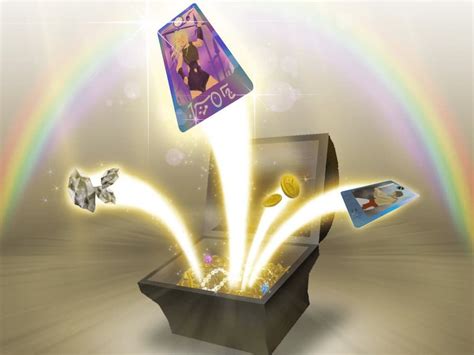
The “gacha” (loot box) system is a prime suspect. If character acquisition, powerful gear, or crucial progression items are locked behind random draws with extremely low stated odds (or worse, no stated odds at all), you’re likely looking at a P2W system. Especially concerning are “pity timers” that require hundreds of draws to guarantee a desired item.
Progressive Walls & Mandatory Grinding for Spenders
Observe if progression becomes exponentially slower for non-spenders. Are high-tier characters, equipment upgrades, or necessary crafting materials incredibly scarce for F2P players but readily available for purchase? If the game demands hundreds of hours of repetitive grinding that can be entirely skipped by paying, it’s a P2W wall.
Dominance of Spenders in PvP
In competitive modes, does it feel like you’re constantly matched against players who clearly have superior stats, characters, or gear that could only have been acquired through significant spending? While skill plays a role, if the power gap feels insurmountable even for a highly skilled F2P player, the game’s PvP is likely P2W.

How to Investigate Before You Play
Read Reviews (But Be Critical)
Check app store reviews, but also scour gaming forums (like Reddit’s specific game subreddits), YouTube reviews, and dedicated gaming sites. Look for common complaints about monetization, paywalls, or the necessity of spending to progress. Be wary of overly positive reviews early on, which can sometimes be fake or from players who haven’t hit the paywall yet.
Watch Late-Game Gameplay Videos
Don’t just watch introductory trailers. Search for “late game,” “end game,” or “F2P progression” videos on YouTube. These often expose the true grind and monetization demands once the early-game honeymoon phase is over. Pay attention to how free players are faring against paying players in competitive content.

Analyze the Store and UI
Even before downloading, many games showcase their monetization via screenshots in app stores. Once downloaded, spend time browsing the in-game store without buying anything. How many pop-ups are there? How aggressive are the bundles? Are there limited-time offers that create urgency? A store full of “must-have” advantages is a major indicator.
Conclusion
Investing time in a mobile game that eventually punishes you for not spending can be incredibly frustrating. By recognizing these common P2W mechanics and employing a little pre-game investigation, you can make more informed choices, protect your wallet, and find F2P experiences that truly respect your time and engagement rather than just your money. Play smart, not hard (on your wallet).