How to spot genuinely good free-to-play mobile games amidst monetization traps?
The mobile gaming landscape is dominated by free-to-play (F2P) titles, offering instant access to a myriad of experiences without an upfront cost. While this model democratizes gaming, it also gives rise to a complex web of monetization strategies, some of which can be predatory or detract significantly from the player experience. Finding genuinely good F2P games that respect your time and wallet can feel like searching for a needle in a haystack. This guide will help you identify the red flags and green lights of F2P mobile games.
Understanding Monetization Models and Their Red Flags
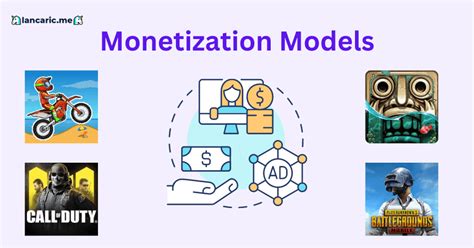
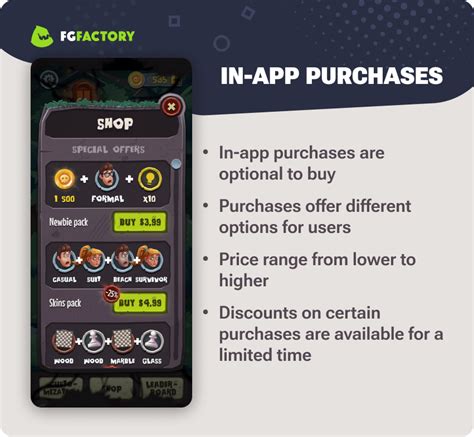
Before you can spot a good game, you need to understand the common ways F2P games make money. These include in-app purchases (IAPs) for cosmetics or power-ups, advertising, and gacha mechanics. The problem arises when these models become exploitative. Watch out for games that constantly bombard you with pop-up ads, force you to watch ads to progress, or gate essential content behind paywalls.
A major red flag is a ‘pay-to-win’ (P2W) structure, where spending money provides a distinct, often insurmountable, advantage over non-spending players. Games with restrictive energy systems that halt gameplay unless you pay or wait excessively long periods, or those with aggressive timers designed to push purchases, are also strong indicators of monetization traps.
Prioritizing Player Experience Over Profit
Genuinely good F2P games prioritize a fun and engaging core gameplay loop. Their monetization is typically supplementary, offering conveniences, cosmetic enhancements, or optional content rather than being essential for progression or enjoyment. Look for games where the free experience is complete and rewarding, even if slower than that of paying players.
Signs of good design include fair progression systems, where skill and time investment are genuinely rewarded. Cosmetics, battle passes with clear value, and optional ad-watching for small bonuses are usually acceptable forms of monetization. The key is balance: does the game feel generous or like it’s constantly trying to extract money from you?
Key Indicators of a Quality F2P Game
Community and Developer Engagement
A healthy F2P game often boasts an active and positive community, coupled with responsive developers. Regular updates that introduce new content, fix bugs, and address player feedback are strong indicators that the developers care about the game’s longevity and player satisfaction, not just short-term profit. Check social media, forums, and Discord servers for signs of a thriving ecosystem.
Positive Player Reviews (with caution)
While app store reviews can be skewed, they offer valuable insights. Look for consistent themes in positive reviews that praise gameplay, fairness, and developer communication. Be wary of games with numerous reviews complaining about P2W mechanics, excessive ads, or unresponsive support. Always cross-reference with reviews from reputable gaming sites or YouTubers, as isolated review bombs can be misleading.

Gameplay Mechanics and Longevity
The foundation of any good game, F2P or otherwise, is solid gameplay. Does the game offer depth, strategic choices, and a satisfying progression system? Games that rely on mindless grinding or repetitive tasks without a clear sense of accomplishment often hide their lack of content behind monetization walls. A good F2P game will have a core loop that remains engaging even after dozens of hours, without feeling like a chore unless you spend money.
Consider the long-term replayability. Do events feel fresh? Is there competitive integrity? Games that foster a sense of continuous improvement through skill, rather than just through purchasing stronger items, tend to offer a more rewarding and sustainable experience.

Practical Tips for Evaluation
When trying a new F2P game, don’t rush to judgment. Play for at least a few hours, preferably over several days, to get a real feel for its progression and monetization. Many games are designed to be generous in the beginning to hook players before ramping up pressure to spend. Pay attention to how often you encounter ads or IAP prompts, and how intrusive they are.
Also, check if the game offers offline play options or if it constantly requires an internet connection, which can sometimes be a subtle way to track player data or push ads. Transparency from the developers about their monetization policies can also be a good sign.

Conclusion
Finding genuinely good free-to-play mobile games amidst a sea of monetization traps requires a critical eye and an understanding of underlying design philosophies. By focusing on core gameplay, fair progression, developer integrity, and community feedback, you can make informed choices and discover titles that offer rewarding experiences without relentlessly reaching into your pocket. Your enjoyment should always be the priority, not a payment gateway.