How to spot and avoid predatory mobile game microtransactions?

Understanding Predatory Mobile Game Microtransactions
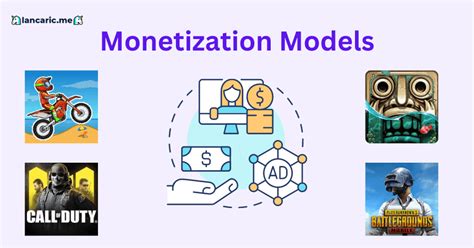
Mobile gaming has exploded in popularity, offering countless hours of entertainment right at our fingertips. However, this convenience often comes with a hidden cost: microtransactions. While many in-app purchases are harmless and contribute to a game’s ongoing development, a significant number are designed with predatory tactics to exploit player psychology and encourage excessive spending. Recognizing these traps is the first step to protecting your wallet and your gaming experience.
Predatory microtransactions aren’t just about high prices; they’re about manipulative design. They leverage psychological vulnerabilities like fear of missing out (FOMO), sunk cost fallacy, and urgency to make players feel compelled to spend money, often on items that offer little actual value or are designed to overcome artificially inflated difficulty barriers.

Common Types of Predatory Microtransactions
Predatory practices come in various forms, each designed to part you from your money. Knowing them is crucial for avoidance:
-
Loot Boxes and Gacha Mechanics
These are essentially digital slot machines. Players pay real money for a chance to win a desired item, but the odds are often extremely low. This gambling-like mechanic can be highly addictive and lead to significant spending, as players chase rare rewards with no guarantee of success.
-
Fake Sales and Limited-Time Offers
Games frequently present “limited-time” bundles or “huge discounts” that are either constantly available under different guises or are not as good a deal as they appear. The urgency created pushes players to buy impulsively before they have time to evaluate the true value.
-
Pay-to-Win Advantages
When a game’s core progression or competitive balance is heavily skewed towards players who spend money, it becomes pay-to-win. Non-spending players hit artificial roadblocks, face insurmountable challenges, or are simply outclassed by paying players, making the game frustrating and less enjoyable.
-
Energy Systems and Time Gates
Many free-to-play games limit how much you can play or progress by implementing ‘energy’ systems that deplete, or by forcing long wait times for upgrades and construction. The only way to bypass these artificial barriers is to pay real money, turning the game into a test of patience or wallet size.
-
Psychological Manipulation
Beyond the mechanics, games use psychological tricks. This includes displaying tempting offers after a loss (to capitalize on frustration), leveraging social comparison (showing what other players have), or designing progression to feel agonizingly slow without spending.

How to Spot Red Flags While Playing
As you play, look out for these tell-tale signs that a game might be trying to take advantage of you:
- Unnaturally Slow Progression: Does it feel like it takes an eternity to earn in-game currency or level up without spending? This is often designed to make you impatient enough to pay.
- Aggressive Pop-ups and Notifications: Constant interruptions pushing you to buy something, especially after a failed attempt or login, are a major red flag.
- Confusing Virtual Currencies: Games that use multiple layers of virtual currencies (e.g., gems, gold, crystals, energy) often do so to obscure the real-world cost of items and bundles.
- Frequent “Must-Have” Offers: If the game constantly tells you that you NEED a specific item to progress or compete, it’s likely trying to pressure you into spending.
- Reviews Highlighting Paywalls: Always check player reviews, especially those with 1 or 2 stars. These often detail frustration with monetization practices.

Strategies to Protect Yourself and Your Wallet
Empowering yourself against predatory microtransactions requires a proactive approach:
-
Research Before You Play
Before investing time (and potentially money) into a new mobile game, read reviews, watch gameplay videos, and check out community forums. Look for discussions about monetization practices.
-
Set Strict Spending Limits
Most app stores allow you to set spending limits or require passwords for every purchase. Use these features, especially if you have a tendency to make impulse buys. If you’re playing with children, ensure parental controls are robustly implemented.
-
Disable In-App Purchases
For games that are particularly aggressive, or if you simply want to eliminate the temptation entirely, you can disable in-app purchases through your device’s settings.
-
Be Skeptical of “Deals”
Take a moment to genuinely evaluate if a “deal” is truly valuable or if it’s just psychological trickery. Is the item necessary? Can you obtain it through gameplay eventually?
-
Focus on Free-to-Play Friendly Games
Some games are genuinely generous with their free content and allow non-spending players to progress and enjoy the game fully. Seek out these titles, as they prioritize player experience over aggressive monetization.
Empowering Yourself as a Player
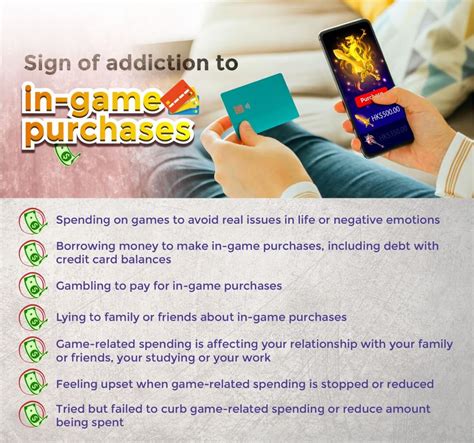
Ultimately, the power lies with the players. By being informed, setting boundaries, and choosing wisely where to invest your time and money, you can send a clear message to developers. Support games that offer fair and respectful monetization, and avoid those that prioritize exploitation.
Remember that gaming should be fun, not a source of financial stress or buyer’s remorse. Your awareness helps not only yourself but also contributes to a healthier, more ethical mobile gaming ecosystem for everyone.
Conclusion
Predatory microtransactions are a pervasive challenge in the mobile gaming world, but they are not insurmountable. By understanding the common tactics used, recognizing the red flags in gameplay, and implementing smart protective strategies, you can enjoy your favorite mobile games without falling victim to manipulative monetization. Stay vigilant, play smart, and advocate for fairer gaming practices to ensure a better experience for all.