How to simplify game mechanics in beginner guides without overwhelming new players?
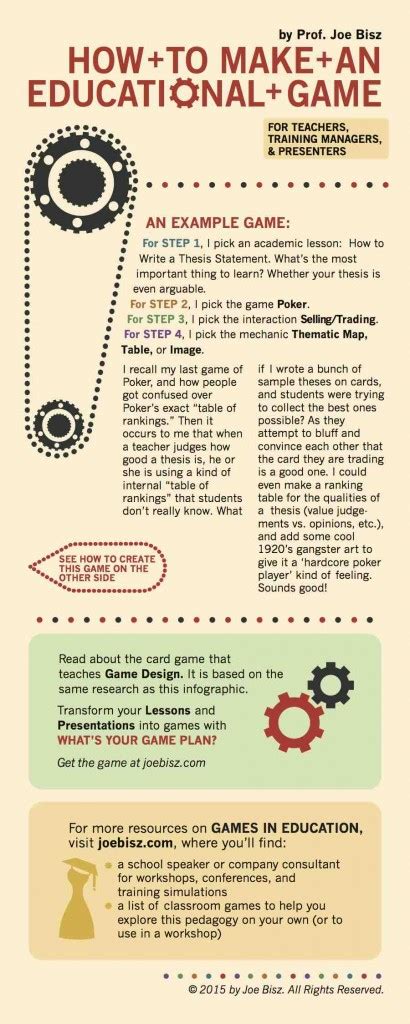
Introducing new players to a complex game can be a delicate balancing act. On one hand, you want to equip them with the knowledge to succeed; on the other, an information overload can quickly lead to frustration and abandonment. The key lies in strategic simplification, breaking down intricate systems into digestible, engaging lessons that build confidence without overwhelming.
Understand Your Audience’s Starting Point
Before you even begin writing, put yourself in the shoes of a complete novice. They don’t understand your game’s jargon, its intricate systems, or its unique nuances. Your primary goal is to teach them how to perform the most basic actions and understand the immediate consequences of those actions. Focus on what they absolutely *need* to know to start playing and having fun, not what they need to master the game.
![[G] Nixia Bubblegum (New Eclipse Icons) by King-Lulu-Deer on DeviantArt](/images/aHR0cHM6Ly90czQubW0uYmluZy5uZXQvdGg/aWQ9T0lQLm1GcHpXejA2QWViMktWUTZad0JfOWdBQUFBJnBpZD0xNS4x.webp)
Prioritize Core Concepts Over Advanced Strategies
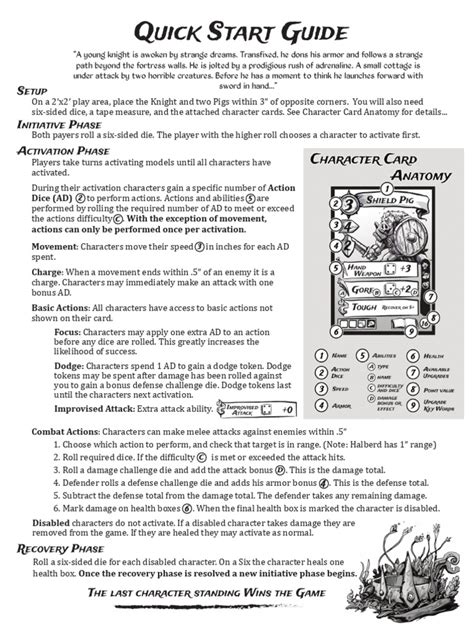
Beginner guides should focus exclusively on the core mechanics required for initial gameplay. What are the essential inputs? How do they move, interact with the world, or use their primary abilities? Defer advanced strategies, optimal builds, or complex meta-discussions to intermediate or expert guides. The goal is to get them playing and understanding the foundational loops, not to turn them into a pro overnight.

Think of it as building blocks: provide the basic shape and material first, then teach them how to stack and combine them later. Introducing too many variables too early can paralyze new players with too many choices and not enough context.
Employ Analogies and Rich Visual Aids
One of the most effective ways to simplify complex ideas is through relatable analogies. Can a mechanic be compared to something in real life? For instance, managing resources might be like managing a budget, or a cooldown timer like waiting for a microwave to finish. These mental shortcuts make abstract concepts tangible.
Furthermore, visual aids are indispensable. Screenshots with highlighted UI elements, simple diagrams illustrating cause-and-effect, or short video clips demonstrating actions can convey information far more efficiently and clearly than paragraphs of text. Show, don’t just tell. Visuals help solidify understanding and provide quick reference points.
Break Down Information into Digestible Chunks
Long blocks of text are intimidating. Structure your guide with clear headings, subheadings, bullet points, and short paragraphs. Each section or paragraph should focus on one specific concept. This “chunking” of information makes the guide less daunting and easier to navigate. New players can absorb one small piece of information, practice it, and then move on to the next, building their knowledge incrementally.
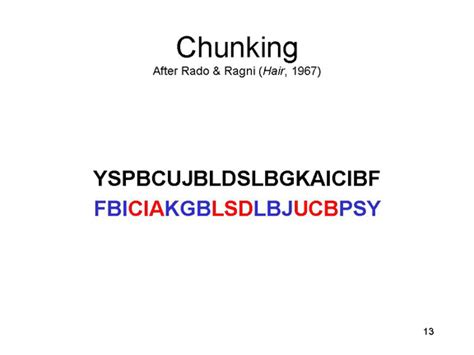
Consider a “progressive disclosure” approach: introduce mechanics only when they become relevant. Don’t explain every possible item drop when the player is still learning how to walk. Layer the information as the player progresses through the early stages of the game.
Encourage Hands-On Practice with Immediate Feedback
Learning by doing is powerful. Your guide should not just explain mechanics; it should encourage players to try them out immediately. If you’re explaining how to use a certain ability, suggest they open the game and try it in a safe environment. Crucially, explain the immediate feedback they should expect: “When you cast this spell, you’ll see a flash of light and the enemy will take damage.” This helps them connect their actions to the game’s responses.

Avoid Jargon or Explain It Clearly and Concisely
Every game has its own lexicon, but new players won’t know it. Whenever possible, use plain language. If game-specific terminology is unavoidable (e.g., “aggro,” “DPS,” “AoE”), introduce and define it immediately and clearly. A concise tooltip-like explanation or a small, easily accessible glossary can be incredibly helpful. The goal is to onboard them into the game’s world, not just its mechanics, but do so gradually.
Conclusion
Crafting beginner guides that simplify game mechanics without overwhelming new players is an art. It requires empathy for the new player experience, a clear understanding of core gameplay, and a commitment to clear, concise, and visually supported communication. By focusing on essential information, breaking down complexity, and encouraging active learning, you can create guides that not only teach but also inspire new players to delve deeper into your game world.