How to simplify core game mechanics for new players in concise guides?

Introducing new players to a complex game can be a daunting task. The intricate web of rules, systems, and interactions that make a game rich for veterans can be an insurmountable barrier for newcomers. The key to successful onboarding lies in simplifying core game mechanics through well-crafted, concise guides. This article explores practical strategies to achieve clarity and engagement without sacrificing depth.
The Challenge: Overwhelming New Players
Many games feature mechanics that have evolved over years, building layers of complexity. Presenting all this information at once can lead to information overload, causing new players to feel lost, frustrated, and ultimately, abandon the game. They often lack the context to understand why certain mechanics are important or how they fit into the broader gameplay loop.
The goal isn’t to dumb down the game, but to create a clear, guided path for understanding its fundamental elements. This involves careful consideration of what information is critical at each stage of a player’s learning journey.

Strategy 1: Identify and Isolate Core Mechanics
Before you can simplify, you must understand what truly defines your game. List every significant mechanic, then prioritize them. What are the absolute must-knows for a player to complete their first objective, win their first match, or enjoy their first hour? Focus on the fundamental gameplay loop – the actions players will perform most often.
Strip away advanced strategies, niche interactions, and late-game systems for initial guides. Introduce only what is immediately relevant. For example, in an RPG, focus on movement, basic attack, and quest interaction before diving into skill trees, crafting, or faction reputation.
Strategy 2: Break Down Complexity into Bite-Sized Chunks
Once core mechanics are identified, break each one down further into its smallest logical components. Each guide, or section of a guide, should focus on a single concept. Avoid multi-step instructions or explanations that intertwine too many ideas.
Use simple, direct language. Avoid developer jargon or game-specific slang until players have a solid grasp of the basics. If a concept is inherently complex, consider a series of mini-guides rather than one monolithic explanation. Think of it as building blocks – each piece must be understood before adding the next.

Strategy 3: Leverage Visuals and Interactive Elements
A picture is worth a thousand words, especially when explaining abstract game mechanics. Diagrams, flowcharts, infographics, and short video clips can convey information far more efficiently than text alone. Show, don’t just tell. Highlight UI elements, demonstrate actions, and illustrate consequences.
Furthermore, integrate interactive elements where possible. A guided tutorial that lets players perform actions and see immediate results is far more effective than passive reading. Allow them to experiment in a low-stakes environment, reinforcing learning through doing.

Strategy 4: Focus on “Why” Before “How”
New players often struggle not just with how to perform an action, but why they should perform it. Explaining the purpose or benefit of a mechanic can provide crucial context. For instance, instead of just saying “Press X to dodge,” explain “Press X to dodge incoming attacks and avoid damage, keeping your character safe.”
Connect mechanics directly to player goals. How does understanding this mechanic help them win, progress, or enjoy the game more? This immediate gratification and clear purpose motivate players to invest time in learning.
Strategy 5: Be Ruthlessly Concise
Conciseness is paramount in beginner guides. Every word should earn its place. Eliminate redundant phrases, passive voice, and unnecessary adverbs or adjectives. Get straight to the point.
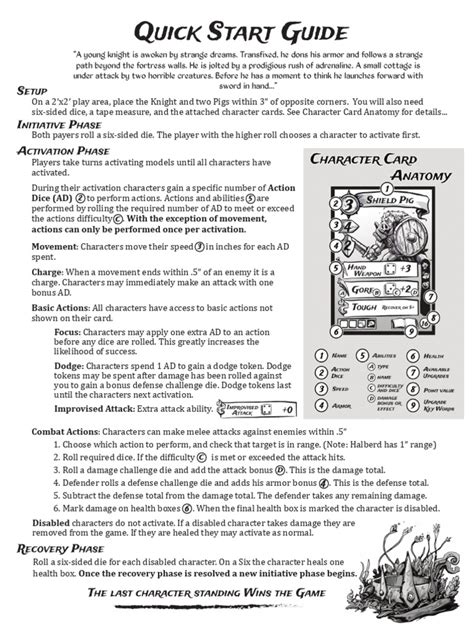
Use bullet points, numbered lists, and bold text to highlight key information. Keep sentences short and paragraphs brief. After drafting a guide, review it with a critical eye, asking: “Can this be said in fewer words without losing clarity?” Test your guides with actual new players to identify areas where conciseness might be hindering comprehension or where more explanation is needed, and vice versa.

Conclusion
Simplifying core game mechanics for new players through concise guides is an art that blends clear communication with empathetic design. By strategically identifying core concepts, breaking them down, leveraging visuals, explaining purpose, and maintaining strict conciseness, developers and guide creators can transform overwhelming complexity into an engaging and accessible learning experience. This approach not only lowers the barrier to entry but also fosters a stronger, more invested player base from the very beginning.