How to simplify controls & core gameplay loop for brand-new game players?

The Gateway to Engagement: Why Simplicity Matters for New Players
For any new game, the first few minutes are critical. They determine whether a brand-new player will stick around, understand your game, and eventually fall in love with it, or become frustrated and abandon it forever. Simplifying controls and the core gameplay loop isn’t about dumbing down your game; it’s about building an accessible on-ramp that eases players into its complexities, allowing them to grasp the fundamentals before tackling advanced mechanics.
Streamlining Controls: Making Interaction Intuitive
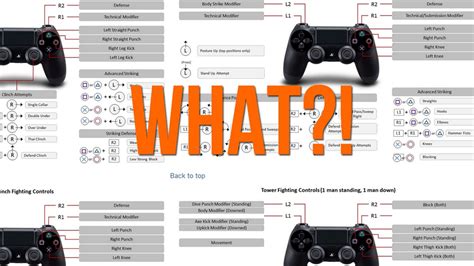
Intuitive controls are the bedrock of a positive first impression. Players shouldn’t have to fight the interface to play your game.
Contextual Controls and Progressive Revelation
Avoid front-loading players with dozens of button mappings. Introduce actions contextually. For instance, a “jump” button might only become active when the player is near a ledge, or a “use item” button appears only when they pick up an item. Gradually reveal advanced controls as the player progresses, ensuring they master basic movements first.
Clear Visual and Audio Cues
- Visual Feedback: When a player performs an action, the game should clearly show the result. For example, a highlighted object when hovered, or a distinct animation upon successful interaction.
- Audio Feedback: Complement visual cues with subtle sound effects. A satisfying “click” when an option is selected or a clear “thud” when an enemy is hit reinforces the player’s actions.

Refining the Core Gameplay Loop: Hooking Players Early
The core gameplay loop is the repetitive cycle of actions players take to achieve progress. For new players, this loop needs to be immediately understandable and rewarding.
The “Golden Path” and Early Wins
Guide players through a clear “golden path” at the beginning, focusing on the most basic version of your game’s loop. Provide immediate, satisfying “wins” or achievements. This could be successfully completing a simple quest, defeating a weak enemy, or solving an obvious puzzle. These early successes build confidence and demonstrate the fun of the game.
Immediate Feedback and Clear Objectives
Players need to know what they should be doing and how well they are doing it. Present clear, concise objectives (e.g., “Collect 5 Berries,” “Defeat the Goblins”). When they complete an objective or perform a key action, provide instant feedback – a notification, a score increase, or a new dialogue option. This reinforces the loop and motivates continued engagement.

The Power of Effective Tutorials
A well-designed tutorial is not just an instruction manual; it’s an interactive learning experience.
Interactive, Not Text-Heavy
Minimize lengthy text boxes and static screens. Players learn best by doing. Integrate tutorial elements directly into gameplay, prompting players to perform actions rather than just read about them. For example, instead of saying “Press X to Jump,” make them encounter a small gap that requires a jump to cross.
Learning by Doing with Guided Practice
After introducing a new mechanic, provide a safe environment for players to practice it without penalty. Think of it as a sandbox where they can experiment before facing real challenges. Slowly remove the scaffolding as they gain proficiency.
Building a Foundation for Long-Term Engagement
Simplifying the initial experience allows players to focus on the fun, not the frustration. By carefully crafting intuitive controls and a clear, rewarding core loop, you create a welcoming environment that encourages exploration and mastery. This thoughtful approach to player onboarding lays the groundwork for sustained engagement, transforming a curious newcomer into a dedicated fan.