How to simplify complex game rules in a beginner guide without losing vital info?
The Art of Demystifying Game Rules for New Players
Complex game rules can be a significant barrier to entry for newcomers, often leading to frustration and abandonment before the game’s true depth can be appreciated. Crafting a beginner guide that simplifies these intricate mechanics without sacrificing essential information is a delicate balance, but one that is crucial for a game’s long-term success and player engagement. The goal is not to dumb down the game, but to make its learning curve less steep and more inviting.
Prioritize Core Mechanics and Layered Learning
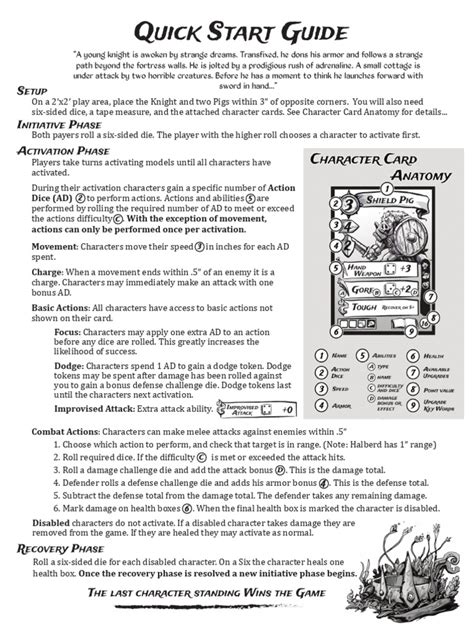
The first step in simplification is ruthless prioritization. Identify the absolute minimum set of rules a player needs to understand to complete their first turn or achieve a basic objective. This forms the foundational layer. Subsequent rules and advanced mechanics can then be introduced incrementally, building upon this initial understanding. Think of it as a tutorial within the guide: teach them how to walk before they run. Avoid front-loading every single exception or edge case; save those for later sections or even a separate advanced guide.
Employing a layered approach means breaking down the game into manageable modules. Start with setup, then basic actions, followed by conflict resolution, and finally advanced strategies or less frequent rules. Each section should be self-contained enough to be understood on its own, yet clearly linked to the overall game flow. This modularity prevents information overload and allows players to absorb concepts at their own pace.
Utilize Analogies, Visual Aids, and Examples
Humans learn best when new information can be related to existing knowledge. Leverage analogies and metaphors to explain abstract game concepts. Is your resource system like a bank account? Is combat similar to a rock-paper-scissors mechanic? Such comparisons can bridge the gap between unfamiliar game logic and real-world understanding.

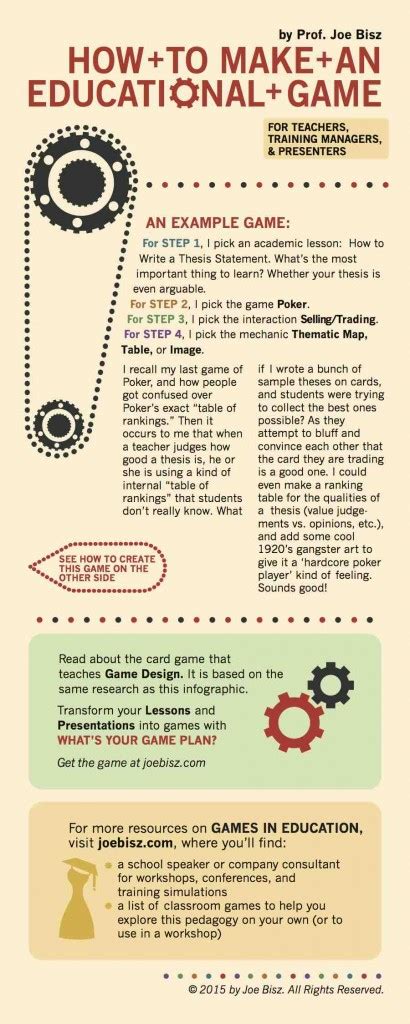
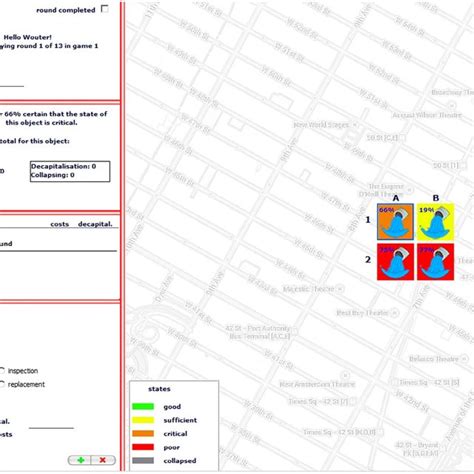
Visual aids are perhaps the most powerful tool in a beginner’s guide. Diagrams, flowcharts, annotated screenshots, and clear iconography can convey complex processes far more effectively than dense paragraphs of text. Show players what a valid board state looks like, illustrate the sequence of actions in a turn, or highlight key components on a card. Paired with concrete examples of gameplay, these visuals make abstract rules tangible.
- Diagrams: Explain turn order or resource flow.
- Annotated Screenshots: Point out key UI elements or game pieces.
- Flowcharts: Demystify complex decision trees or combat resolution.
- Iconography: Visually represent recurring effects or costs.
Deconstruct Jargon and Focus on Clarity
Every game has its own lexicon, but introducing too many new terms too quickly can be overwhelming. When new jargon is unavoidable, define it clearly and consistently the first time it appears, perhaps with a simple glossary at the back. Better yet, try to use more universally understood language where possible before introducing the game-specific term. The goal is to minimize cognitive load.
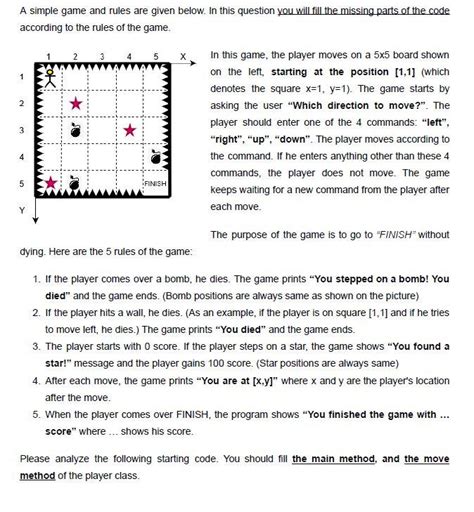
Clarity also extends to sentence structure and paragraph length. Use short, direct sentences. Break up long paragraphs into digestible chunks. Employ bullet points and numbered lists for sequences of actions or lists of components. Headings and subheadings should clearly signpost what each section is about, allowing players to quickly navigate and find the information they need.

Embrace Practice-as-You-Learn and Quick Reference
A beginner guide shouldn’t just be read; it should be experienced. Integrate opportunities for players to apply what they’ve learned immediately. This might involve a “first turn walkthrough” section where the guide literally dictates the first few moves, explaining the rules in context. For video games, this translates to interactive tutorials; for board games, it means guiding players through their first full round of play.
Finally, differentiate between a learning guide and a quick reference. While the beginner guide simplifies, it should also point to a more comprehensive rulebook for intricate details or edge cases. A good beginner guide often concludes with a concise summary of key rules or a handy reference card, allowing players to quickly recall vital information without sifting through pages of explanation.

The Benefits of a Well-Crafted Beginner Guide
Investing time in creating a streamlined, accessible beginner guide pays dividends. It reduces player frustration, increases player retention, and fosters a more positive initial experience with the game. By thoughtfully simplifying complex rules—prioritizing core mechanics, utilizing visuals, and deconstructing jargon—game designers and guide creators can ensure that new players not only grasp the fundamentals but also discover the joy and depth that lies beneath the surface.