How to simplify complex game rules for new players without losing essential details?

The Challenge of Complex Game Rules
Many beloved games, from intricate board games to deep role-playing systems, boast rich mechanics and strategic depth. However, this very complexity can be an intimidating barrier for new players. Faced with dense rulebooks, dozens of components, and a myriad of exceptions, potential enthusiasts might give up before even taking their first turn. The key lies not in removing complexity, but in simplifying its presentation and the learning path, making it accessible without diluting the core experience.
The goal is to onboard new players smoothly, allowing them to grasp the fundamental loop and enjoy the game quickly, while ensuring they understand enough to make meaningful decisions. This delicate balance requires thoughtful strategies that prioritize engagement over immediate encyclopedic knowledge.

Core Strategies for Effective Rule Simplification
1. Prioritize Core Mechanics First
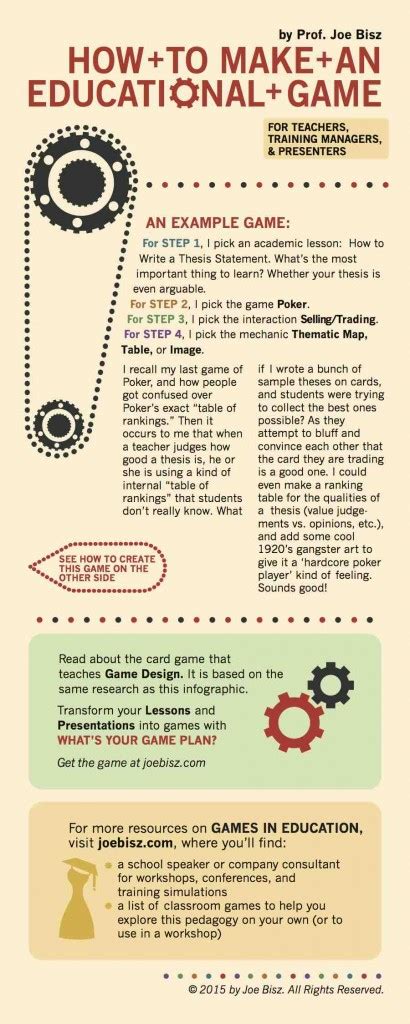
Identify the absolute essential rules needed to play a basic round or turn. What actions can a player *always* take? How do you win? What is the main objective? Start there. Teach only these core concepts, allowing players to begin playing almost immediately. Advanced rules, edge cases, and optional modules can be introduced later, once the foundation is solid.
2. Phased Learning and Progressive Disclosure
Instead of front-loading all information, introduce rules in stages. This could mean:
- Basic Game Mode: A simplified version for the first few plays.
- Campaign-style Introduction: Rules are unveiled as the game progresses or over several sessions.
- Module-based Teaching: Teach one set of rules (e.g., movement), play with it, then add another (e.g., combat).
This approach prevents information overload and allows players to integrate new knowledge gradually.

3. Leverage Visual Aids and Examples
Text-heavy explanations can be overwhelming. Incorporate visual elements:
- Diagrams and Flowcharts: Illustrate turn order, combat resolution, or specific action sequences.
- Component Overviews: Show what each piece does with clear labels.
- Example Turns: Walk through a concrete example of a player’s turn, step by step, showing how rules are applied.
- Playthrough Videos: For digital games, a short tutorial video can be incredibly effective.
4. Create Quick Reference Guides (QRGs)
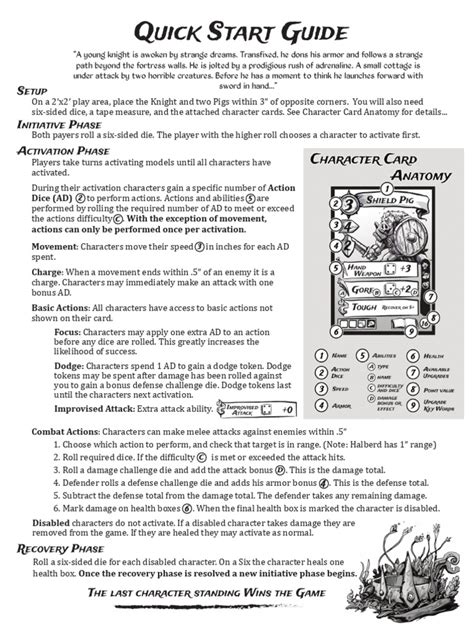
Distill the most frequently accessed rules, common actions, and key terminology onto a concise player aid or cheat sheet. This allows new players to quickly look up information without sifting through a full rulebook, reducing downtime and frustration during play.

Effective Teaching Methodologies for New Players
“Learn by Doing” Approach
The most effective way for many people to learn is by actively engaging. Instead of a lengthy pre-game lecture, provide a brief overview of the objective and core actions, then dive straight into play. As specific situations arise, introduce the relevant rule. For instance, when a player declares an attack, explain the combat rules at that moment.
Facilitate a Guided First Play
As an experienced player, guide newcomers through their first turns. Offer suggestions, clarify options, and answer questions proactively. Think of it as a collaborative learning experience rather than a strict teaching session. Allow them to make mistakes; often, the consequences of a rule violation are the best teacher.

Preserving Essential Details
Simplification shouldn’t mean omission of critical information. The goal is clarity, not dilution. To ensure essential details are retained:
- Clarify the “Why”: Explain the purpose or impact of a rule. Knowing why a rule exists often helps players remember it better.
- Consistent Terminology: Use the same terms for the same concepts throughout all explanations and guides.
- Emphasize Key Information: Use bolding, color, or other visual cues in reference materials to highlight crucial rules or common pitfalls.
- Structured Rule Reference: While the teaching process is simplified, a well-organized, comprehensive rulebook should still be available for deeper dives and later reference.
Conclusion
Successfully simplifying complex game rules for new players is an art that balances accessibility with depth. By prioritizing core mechanics, employing phased learning, leveraging visual aids, and adopting a ‘learn by doing’ approach, game masters and designers can transform what might seem like an insurmountable wall of rules into an inviting gateway. The ultimate reward is a thriving community of new players who not only understand the game but are excited to explore its full strategic potential.