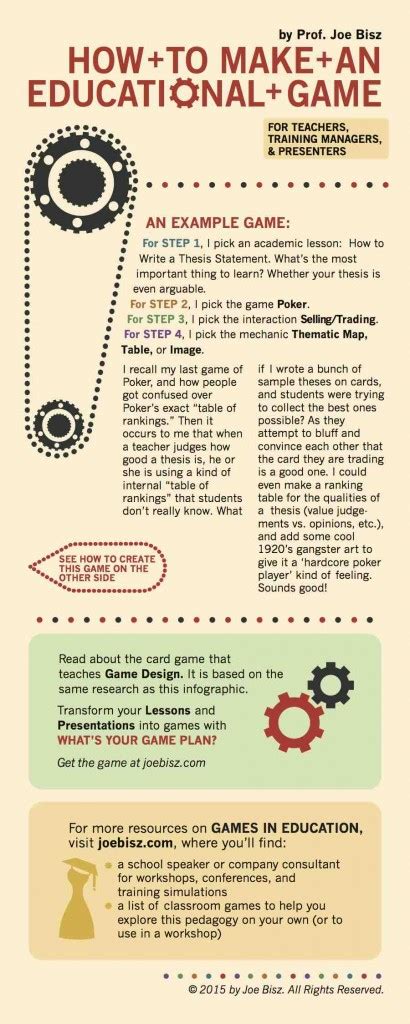
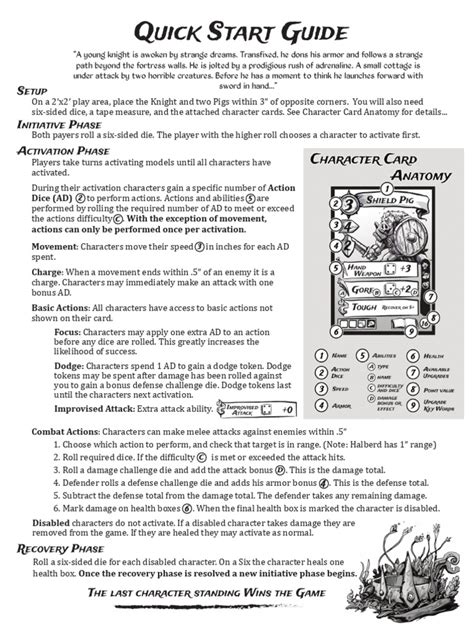
How to simplify complex game mechanics without overwhelming new players in a beginner’s guide?
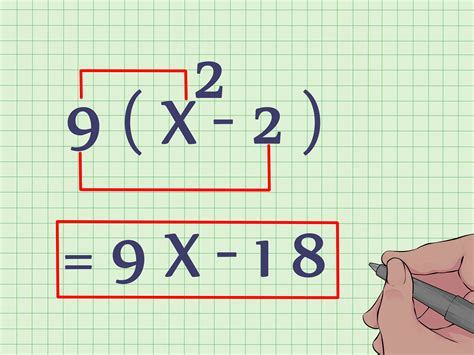
Introducing new players to a game with complex mechanics can be a daunting task. The line between comprehensive instruction and information overload is fine, and crossing it can lead to frustration and player attrition. A well-crafted beginner’s guide doesn’t just explain mechanics; it simplifies them, gradually building understanding without intimidation. Here’s how to achieve that delicate balance.
Understand Your Audience’s Starting Point
Before you even begin writing, put yourself in the shoes of a complete novice. What assumptions are you making? A new player might not understand common gaming acronyms, genre tropes, or even basic interface elements. Your guide should start with the absolute fundamentals, defining terms and explaining concepts as if the reader has never played a video game before, while still being concise enough for seasoned gamers to skim.
Start Simple, Build Up Gradually
The most effective way to teach complex mechanics is to break them down into their simplest components. Don’t throw everything at the player at once. Introduce core mechanics first, ensure they are understood, and then layer on additional complexity. For example, if a game has a deep crafting system, start by explaining how to gather basic resources, then how to craft a single simple item, before delving into blueprints, advanced materials, and intricate recipes.
Use Analogies and Real-World Examples
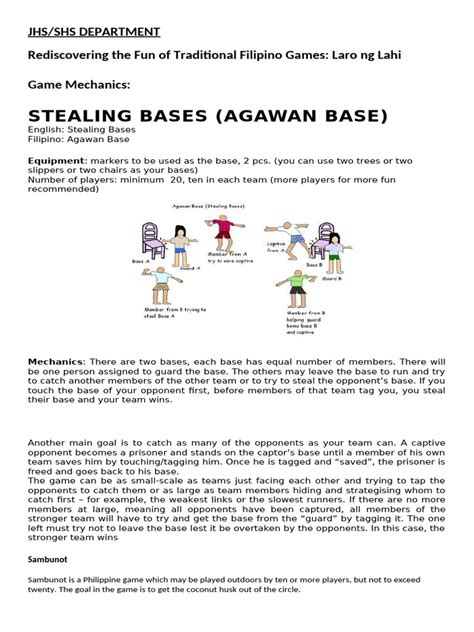
Sometimes, the easiest way to explain a new concept is to relate it to something the player already understands. Analogies can bridge the gap between abstract game mechanics and familiar real-world experiences. For instance, explaining a tactical combat system by comparing it to chess, or resource management to budgeting money, can make the mechanics instantly more relatable and less intimidating.
Leverage Visual Aids and Interactive Elements
Text alone can be dry and overwhelming. Incorporate screenshots, diagrams, flowcharts, or even short animated GIFs to illustrate mechanics. Visuals can convey information much faster and more clearly than paragraphs of text. If your guide is digital, consider interactive elements like hover-over tooltips for jargon or clickable examples that demonstrate a mechanic in action without leaving the guide.

Prioritize Core Concepts Over Edge Cases
In a beginner’s guide, focus on the 80/20 rule: teach the 20% of mechanics that players will use 80% of the time. Avoid getting bogged down in intricate edge cases, advanced strategies, or highly situational abilities. These can be introduced later in more advanced guides or discovered by players through gameplay. The goal of a beginner’s guide is to get players competent enough to enjoy the game, not to turn them into experts overnight.
Employ Clear, Concise Language
Avoid jargon, overly technical terms, or lengthy sentences. Use plain language and active voice. Each sentence should ideally convey one clear piece of information. Bullet points, numbered lists, and bolded keywords can help break up text and make key information stand out, making the guide easy to scan and digest.

Encourage Practice and Reinforcement
Learning by doing is often more effective than passive reading. Structure your guide to suggest opportunities for practice. After explaining a mechanic, encourage the player to try it in a safe environment within the game (e.g., a tutorial zone, a sandbox mode, or against easy AI). Reinforce learning by revisiting concepts briefly if they are crucial for understanding a subsequent mechanic.

Avoid Information Dumps
Resist the temptation to include every single detail. A beginner’s guide should be an introduction, not an encyclopedia. If a section starts to feel too long or covers too many interconnected concepts, consider breaking it down into smaller, focused subsections or even separate guides for advanced topics. The aim is to provide just enough information for the player to feel confident and eager to explore further.
Conclusion
Simplifying complex game mechanics in a beginner’s guide is an art form. It requires empathy for the new player, careful structuring of information, and a commitment to clarity. By understanding your audience, gradually introducing concepts, utilizing visual aids, prioritizing core mechanics, and employing concise language, you can create a guide that empowers new players instead of overwhelming them, setting them up for a rich and enjoyable gaming experience.