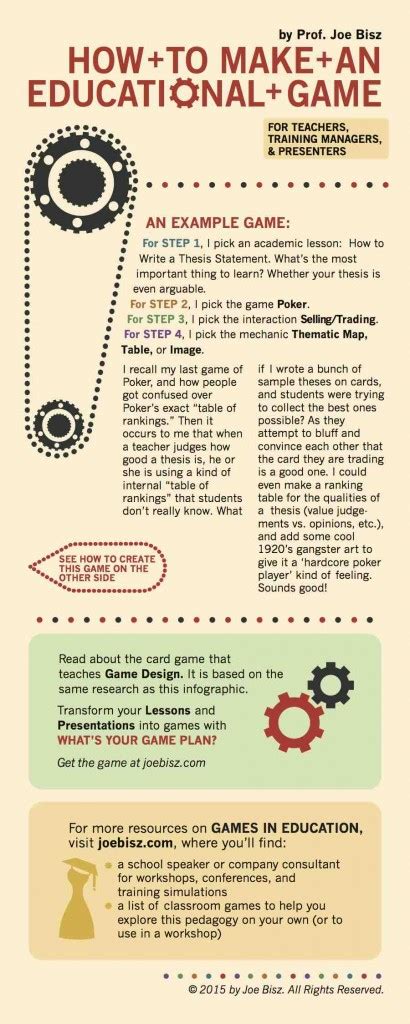
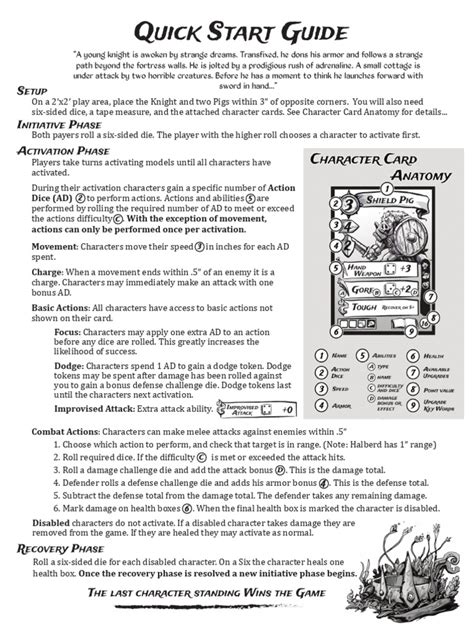
How to simplify complex game mechanics into a practical guide for absolute beginners?
Many of today’s most engaging games boast deep, intricate mechanics that provide endless hours of challenge and discovery. However, for an absolute beginner, these very depths can be a daunting wall, preventing them from even taking the first step. Crafting a practical guide that demystifies these complexities requires a strategic approach, focusing on clarity, progression, and empathy for the new player experience.
Understand Your Beginner’s Mindset
The first step in simplifying anything is to truly understand who you are simplifying it for. An absolute beginner has no prior knowledge of the game’s specific jargon, common genre conventions, or even basic user interface principles. They might not know what an ‘inventory’ is, how to ‘craft,’ or the difference between ‘HP’ and ‘MP.’ Your guide must assume zero prior knowledge and build everything from the ground up.

Empathy is key here. Think back to your own first experiences with complex games. What confused you? What did you wish you had known? Identify potential roadblocks and address them proactively.
Deconstruct Complex Mechanics into Core Concepts
Before you can teach, you must understand the game’s mechanics at their most fundamental level. Break down the entire system into its smallest, independent components. For example, in an RPG, instead of explaining ‘character building,’ break it into ‘attributes,’ ‘skills,’ ‘equipment slots,’ and ‘progression systems.’ In a strategy game, separate ‘resource gathering,’ ‘unit production,’ and ‘combat resolution.’
Identify the absolute core loop of the game. What is the player’s primary goal, and what are the essential actions they must take repeatedly to achieve it? This core loop should be the backbone of your simplified guide.
Prioritize and Sequence Learning Progressively
You can’t teach everything at once. Effective simplification involves a carefully planned learning path. Start with the absolute minimum information required for a player to perform the most basic actions and achieve a small, early success. This builds confidence and provides context for subsequent information.
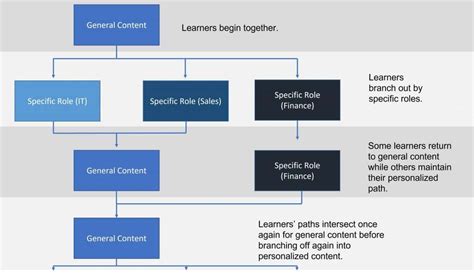
Sequence your guide like a tutorial, introducing concepts one by one and building upon previously learned knowledge. For example, first explain how to move, then how to interact with an object, then how to use a basic ability, and so on. Avoid overwhelming beginners with advanced concepts they won’t need for hours.
Use Simple Language and Relatable Analogies
Game jargon is a significant barrier. Replace technical terms with plain English whenever possible, or explain them clearly the first time they are introduced. Instead of ‘aggro management,’ consider ‘how to get enemies to attack who you want.’ Instead of ‘DPS rotation,’ explain ‘the best order to use your damaging abilities.’

Analogies to real-world concepts or other well-known games can be incredibly powerful. Comparing a game’s crafting system to following a recipe or explaining a strategy game’s economy as managing a small business can help beginners grasp abstract concepts more quickly.
Leverage Visuals and Practical Exercises
A picture is worth a thousand words, especially when dealing with visual concepts in games. Use diagrams, screenshots, and flowcharts generously. Show what buttons to press, where to click, and what the expected outcome looks like. Highlight key elements on screenshots to draw attention to important details.
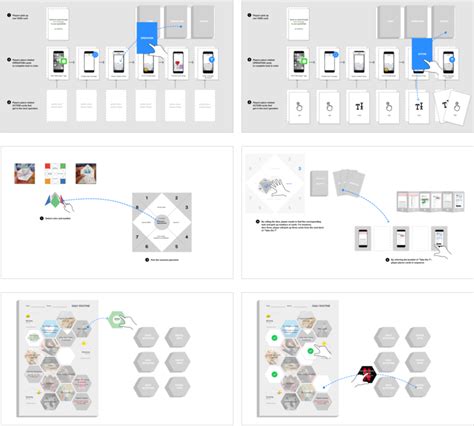
Include practical exercises or ‘mini-quests’ within your guide. Encourage players to perform the actions you’ve just explained. For instance, after explaining movement, ask them to ‘move your character to the large tree.’ After explaining inventory, ‘open your inventory and equip the sword.’ This active learning solidifies understanding.
Conclusion: Empowering New Players
Simplifying complex game mechanics for absolute beginners is an art form that blends pedagogical principles with a deep understanding of game design. By breaking down complexity, prioritizing learning, using clear language, and providing strong visual and practical support, you can transform an intimidating experience into an inviting adventure. The goal is not to dumb down the game, but to create an accessible on-ramp that allows new players to enjoy the full depth and richness the game has to offer, fostering a new generation of enthusiasts.