How to simplify complex game mechanics in beginner guides without missing critical steps?

The Art of Accessible Game Guides
Creating a beginner’s guide for a game with intricate mechanics presents a unique challenge: how do you simplify complex systems without omitting the critical steps necessary for mastery? The goal isn’t just to explain, but to empower new players, building their understanding layer by layer. This requires a strategic approach that balances clarity with completeness.

Know Your Novice: Understanding Your Audience
Before you write a single word, consider who your beginner is. Are they completely new to gaming, or just new to this specific genre? Understanding their baseline knowledge helps you tailor your language, examples, and level of detail. Avoid jargon where possible, or if necessary, introduce and explain terms clearly the first time they appear. Empathize with their potential confusion; what seems obvious to you as an experienced player can be a significant hurdle for a newcomer.
Deconstruct, Then Reconstruct: Breaking Down Complexity
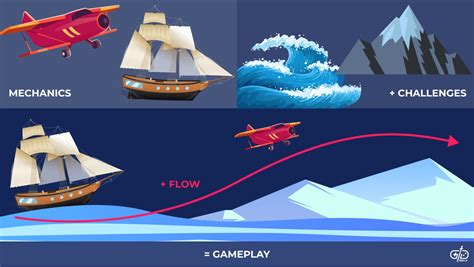
Complex mechanics are often a synthesis of several simpler rules interacting. Your task is to break these down into their fundamental components. Start with the core concept, explain it in isolation, then gradually introduce how it interacts with other elements.
The “Why” Before the “How”
Before diving into the steps, briefly explain the purpose or benefit of a mechanic. Why is it important? How does it contribute to gameplay? This provides context and motivates the player to learn. For instance, explaining why resource management is crucial for base building makes the individual steps of gathering and spending more meaningful.
Step-by-Step Granularity and Critical Points
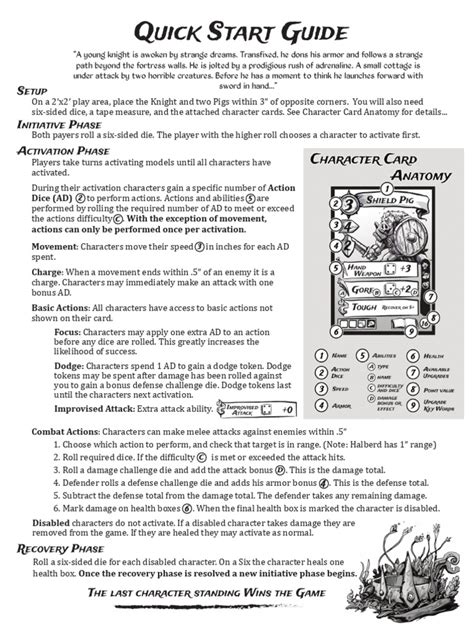
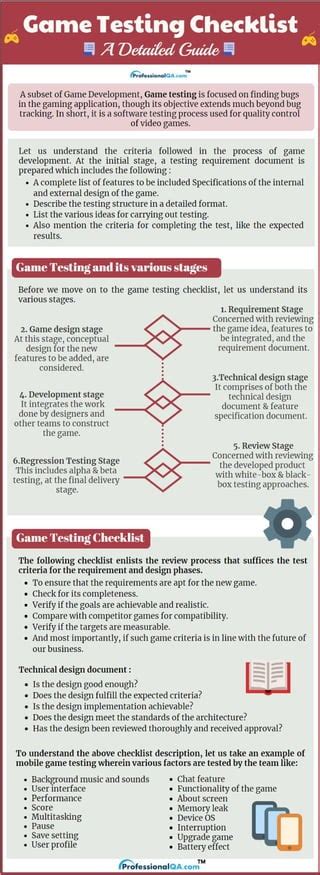
Present instructions in small, digestible steps. Each step should ideally cover one distinct action or concept. Use bullet points or numbered lists for clarity. To avoid missing critical steps, create a checklist of essential actions or prerequisites for each mechanic. Highlight these crucial points using bold text, separate callout boxes, or clear headers. For example, if a specific item must be equipped before an ability can be used, emphasize that prerequisite.
The Power of Visuals and Analogies
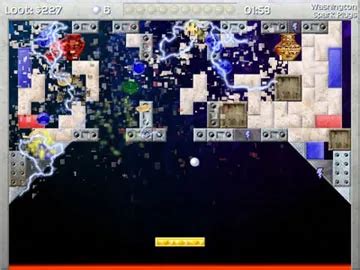
Text alone can be insufficient for complex systems. Integrate screenshots, diagrams, and short video clips to illustrate concepts and processes. A picture of an interface with key elements highlighted is often more effective than paragraphs of description. Furthermore, use real-world analogies to make abstract game mechanics more relatable. Comparing a game’s crafting system to following a recipe in a kitchen, for example, can bridge the gap in understanding.
Practical Application: Examples and Scenarios
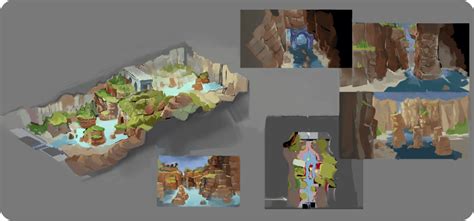
Showing a mechanic in action is crucial. Provide clear, concise examples of how the mechanic is used in different in-game scenarios. Instead of just explaining what an ability does, show a common situation where a player would use it and walk them through the execution. Offer simple, achievable tasks or challenges that allow the player to practice the mechanic immediately, solidifying their understanding through hands-on experience.
Iterate and Validate: Testing Your Guide’s Effectiveness
A guide is only as good as its ability to be understood. After drafting your guide, have actual beginners (people unfamiliar with the game or genre) test it. Observe where they get stuck, what questions they ask, and what steps they miss. Their feedback is invaluable for identifying areas that still require simplification, clarification, or the inclusion of previously overlooked critical details. Be prepared to revise and refine your guide based on these insights until it achieves maximum clarity and completeness.
Conclusion
Simplifying complex game mechanics for beginner guides is an iterative process of deconstruction, clear communication, and validation. By understanding your audience, breaking down systems into manageable steps, leveraging visuals, providing practical examples, and rigorously testing your guide, you can create a resource that not only simplifies the learning curve but also ensures new players are equipped with all the critical knowledge they need to succeed and enjoy the game.