How to simplify complex game mechanics in beginner guides to prevent new player overwhelm?

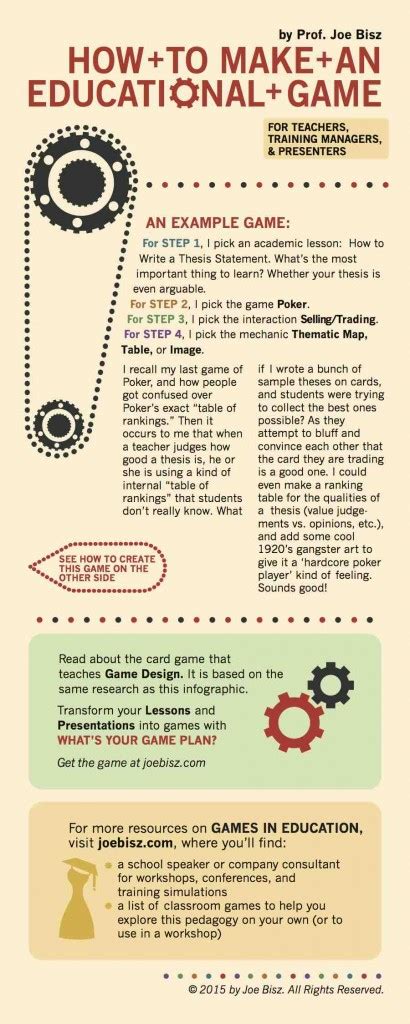
Many video games, especially those with deep strategic layers or intricate systems, can present a daunting learning curve for newcomers. Complex mechanics, when poorly explained, often lead to new player overwhelm, frustration, and ultimately, early abandonment. Crafting effective beginner guides is not just about listing features; it’s about artfully simplifying these complexities to create an accessible and enjoyable entry point.

The Crucial Role of Simplification
Preventing new player overwhelm is paramount for a game’s long-term success. A well-designed beginner guide doesn’t just inform; it empowers. It helps players grasp core concepts without feeling drowned in information, fostering a positive first impression and encouraging continued engagement. The goal is to build confidence, not confusion.
Understanding the New Player Mindset
Beginners typically lack context. They don’t understand the ‘why’ behind certain mechanics yet, only the ‘how’. They are often just trying to get the game to work or complete basic objectives. Guides should cater to this initial need for immediate applicability over exhaustive theoretical understanding.
Strategies for Effective Simplification
1. Start with the Absolute Basics (“Baby Steps”)
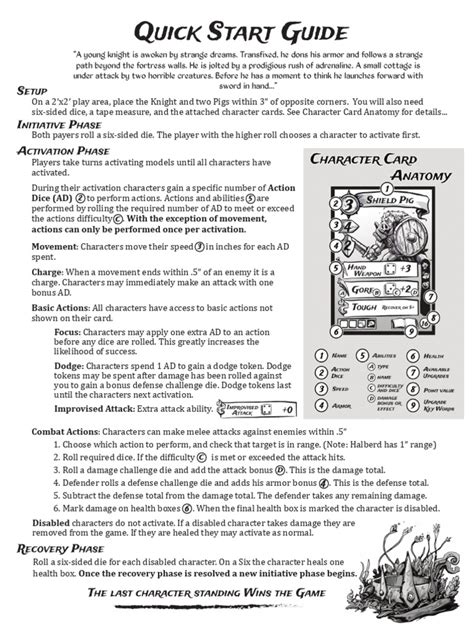
Resist the urge to dump all information at once. Introduce concepts incrementally, focusing on the core loop first. What does a player absolutely need to know to perform their first basic action, craft their first item, or win their first encounter? Build from there, one piece at a time.
2. Use Clear, Concise, and Jargon-Free Language
Game communities often develop their own shorthand and jargon. While useful for veterans, this can be an impenetrable barrier for newcomers. Define all terms, avoid acronyms where possible, and use straightforward language. Explain what a mechanic does before diving into its strategic nuances.
3. Leverage Visual Aids and Concrete Examples
A picture is worth a thousand words, especially when explaining visual or spatial mechanics. Screenshots, diagrams, flowcharts, or even conceptual drawings can illustrate complex interactions far better than text alone. Always provide concrete examples of how a mechanic works in practice, rather than just abstract descriptions.
- Show, don’t just tell: Illustrate a UI element, a combat sequence, or a crafting recipe.
- Step-by-step visuals: For multi-stage processes, break them down with sequential images.
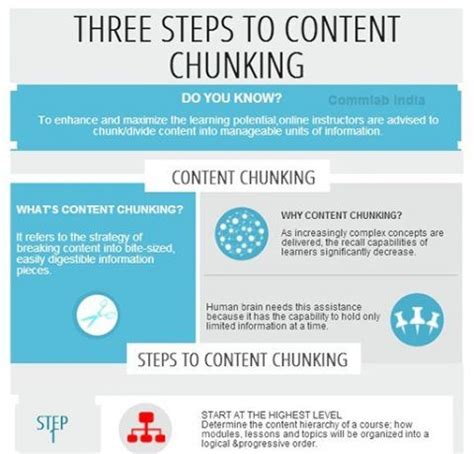
4. Break Down Information into Digestible Chunks (Chunking)
Long blocks of text are intimidating. Use headings, subheadings, bullet points, and numbered lists to break up information. Each section should focus on a single, manageable concept. This allows players to absorb information in smaller doses and easily re-locate specific details later.
5. Prioritize “Need-to-Know” Over “Nice-to-Know”
When starting, players don’t need to know every optimal strategy, hidden stat, or advanced exploit. Focus on the essential mechanics required to successfully play the game. Advanced tips and tricks can be relegated to separate sections or even entirely separate, more advanced guides.
6. Employ Analogies and Real-World Comparisons
Relating complex game mechanics to familiar real-world concepts can significantly reduce the cognitive load. “Think of resource management like balancing your household budget,” or “This combat system works similarly to rock-paper-scissors.” Such analogies create immediate understanding.
7. Progressive Revelation and Layering Complexity
Structure your guide so that advanced concepts are introduced after the foundational ones have been explained and, ideally, practiced. For instance, explain basic movement and attack before delving into status effects, advanced weapon types, or character builds. This builds understanding layer by layer.
Common Pitfalls to Avoid
- Assuming Prior Knowledge: Never assume a new player understands genre conventions or common gaming terminology.
- Information Overload: Too much detail too soon is as bad as too little.
- Inconsistent Terminology: Stick to one term for each mechanic throughout the guide.
- Lack of Context: Always explain why a mechanic is important or when to use it, not just what it is.

Conclusion
Simplifying complex game mechanics in beginner guides is an art form that significantly impacts player retention and overall game accessibility. By adopting a “baby steps” approach, using clear language, leveraging visuals, chunking information, and prioritizing essential knowledge, guide creators can transform potential frustration into genuine enjoyment. Empowering new players to confidently engage with your game’s depth is the ultimate reward for thoughtful guide design.