How to simplify complex game mechanics for new players without overwhelming them in a beginner’s guide?
Embarking on a new game, especially one rich with intricate systems, can be both exciting and daunting for new players. The challenge for guide creators and developers lies in distilling these complex mechanics into an easily digestible format, ensuring newcomers grasp the essentials without feeling swamped. This guide will explore effective strategies to simplify game mechanics, crafting beginner-friendly content that empowers rather than overwhelms.
Understanding the New Player’s Perspective
Before diving into simplification techniques, it’s crucial to empathize with a new player. They lack context, jargon is alien, and even seemingly simple actions can be confusing. Their primary goal is often to understand “how to play” and “what to do next.” Overloading them with advanced tactics or deep lore too early can lead to frustration and abandonment.
Core Principles for Effective Simplification
1. Break It Down into Bite-Sized Chunks
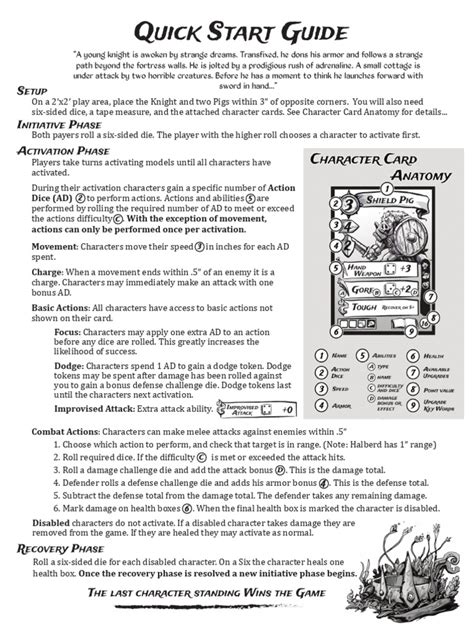
Instead of presenting an entire system at once, segment it. Focus on one core concept or action per section. For instance, rather than explaining an entire combat system, start with “Basic Attack,” then “Using a Skill,” and finally “Dodging” or “Blocking.” Each chunk should be self-contained and build upon previous knowledge.
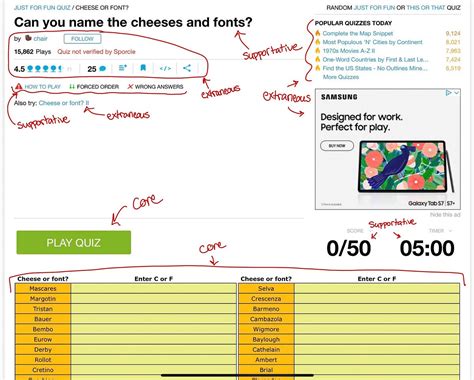
Use headings, bullet points, and short paragraphs to make the information visually less dense. Long blocks of text are intimidating and hard to parse, especially when dealing with new concepts.
2. Prioritize Essential Information
What does a player absolutely need to know to start playing and enjoy the first few hours? Distinguish between “must-know” and “nice-to-know.” Advanced strategies, optimization tips, and intricate lore details can be saved for later sections or advanced guides. A beginner’s guide should focus on the bare minimum required for initial success and understanding.
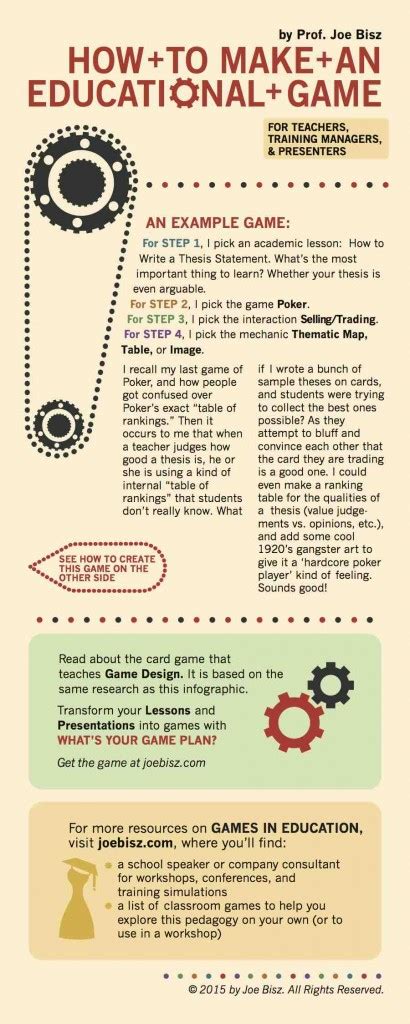
3. Leverage Visuals and Practical Examples
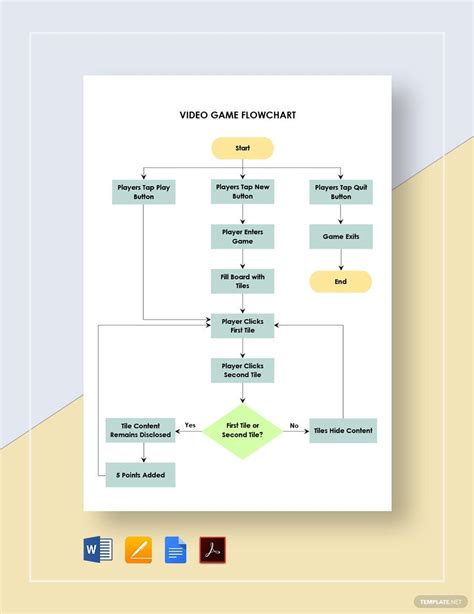
A picture is worth a thousand words, especially in gaming. Screenshots, diagrams, flowcharts, or even short animated GIFs (if the platform allows) can clarify concepts far better than text alone. When explaining a mechanic, don’t just describe it; show it in action. Provide specific in-game examples, such as “To activate your special ability, press ‘Q’ when the gauge is full, like this:” followed by an image or video.
4. Introduce Gradually and Layer Information
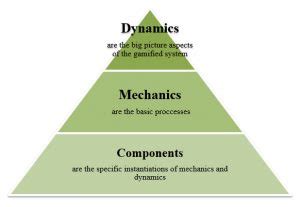
Think of learning as a series of layers. Players should master the foundational layer before moving to the next. For example, explain basic movement and interaction before introducing resource management, then character progression, and finally advanced combat tactics. In your guide, ensure a natural progression, explicitly stating when a new concept builds on a previous one.
Avoid front-loading everything. If a mechanic isn’t relevant until 10 hours into the game, don’t dedicate significant space to it in the very first section of a beginner’s guide.
5. Use Relatable Analogies and Simple Language
Connect unfamiliar game concepts to real-world ideas or mechanics from other popular games. For example, explaining a “cooldown” as “waiting for your ability to recharge, like an app that needs time before you can use it again” can be very effective. Avoid game-specific jargon where possible, or if unavoidable, explain it clearly the first time it’s introduced.

6. Encourage Hands-On Practice and Reinforcement
Reading about a mechanic is one thing; performing it is another. If your guide accompanies an in-game tutorial, direct players to practice specific actions. If it’s a standalone guide, suggest scenarios or challenges players can try in-game to solidify their understanding. Reinforce learning by summarizing key takeaways at the end of each major section.
Structuring Your Beginner’s Guide Effectively
A well-structured guide enhances readability and comprehension:
- Logical Flow: Organize content from fundamental to more advanced, or from early-game to later-game concepts.
- Clear Headings and Subheadings: Help players quickly navigate and find specific information.
- Table of Contents: Essential for longer guides, allowing players to jump to relevant sections.
- FAQ Section: Address common early-game questions and provide quick answers.
- Glossary: Define any unavoidable game-specific terms.
Conclusion
Simplifying complex game mechanics is an art that blends clarity, empathy, and strategic presentation. By breaking down information, prioritizing essentials, using strong visuals, and adopting a gradual, hands-on approach, you can craft a beginner’s guide that not only educates but also excites new players, setting them on a path to truly enjoy the game rather than abandon it out of confusion. Remember, the goal is to ease them in, not to throw them into the deep end.