How to simplify complex game mechanics for new players in beginner guides?
The Importance of Accessible Beginner Guides
For many new players, stepping into a complex game can feel like learning a new language. Intricate skill trees, obscure resource management systems, and nuanced combat mechanics can quickly become overwhelming, leading to frustration and early abandonment. A well-crafted beginner guide doesn’t just explain; it simplifies, breaking down these barriers to entry and helping new adventurers find their footing and truly enjoy the game.
The goal isn’t to dumb down the game, but to illuminate its depths in a digestible manner. This article explores practical strategies for guide writers to transform complex mechanics into clear, engaging, and easy-to-grasp information for newcomers.
Break Down Complexity into Core Components
The first rule of simplification is to dissect the mechanic into its smallest, most fundamental parts. Instead of explaining an entire combat system at once, start with the absolute basics: movement, basic attack, and primary defense. Once these foundational elements are understood, you can gradually introduce layers of complexity like special abilities, status effects, and synergies.
Start with the “What” and “Why”
- What is it? Define the mechanic clearly and concisely.
- Why is it important? Explain its purpose and impact on gameplay.
- How does it work (simply)? Provide a high-level overview before diving into details.
Think of it like building blocks; players need to understand the shape and function of each block before they can assemble them into a grand structure.
Utilize Visual Aids and Concrete Examples
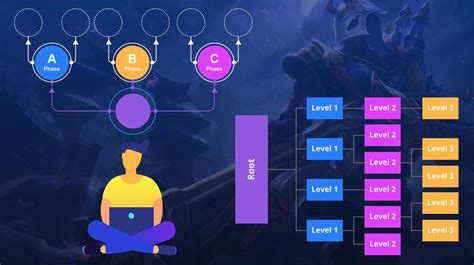
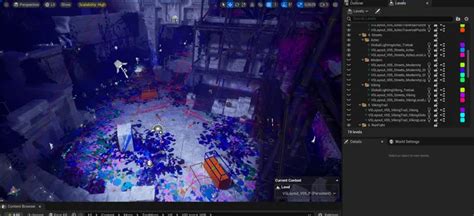
Humans are inherently visual learners. Text-heavy explanations can often glaze over, especially when describing abstract concepts. Integrating screenshots, diagrams, and flowcharts can dramatically improve comprehension.
- Screenshots: Show the UI elements, skill descriptions, or in-game situations being discussed. Highlight key areas.
- Diagrams/Flowcharts: Illustrate processes (e.g., crafting trees, combat rotations, resource loops) in an easy-to-follow visual path.
Beyond visuals, concrete examples rooted in gameplay scenarios solidify understanding. Instead of saying, “Elemental resistances reduce damage,” show an example: “If an enemy deals 100 fire damage and you have 25% fire resistance, you will take 75 damage.”

Employ Analogies and Metaphors
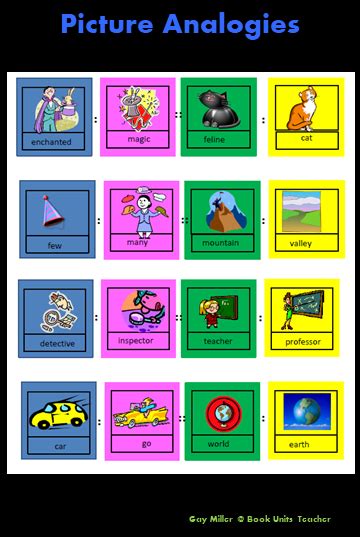
One of the most powerful tools for explaining new concepts is relating them to something familiar. Analogies bridge the gap between the unknown game world and the player’s existing knowledge base.
For example:
- “Think of a game’s ‘aggro’ system like a schoolyard bully: whoever hits him the hardest or taunts him the most will get his attention.”
- “Resource management in this game is like a balanced diet: you need a mix of different nutrients (resources) to keep your character healthy and progressing.”
Choose analogies that are universally understood and directly applicable to the mechanic you’re explaining, but avoid oversimplifying to the point of inaccuracy.
Gradual Revelation and Layered Information
Don’t dump all the information at once. Introduce mechanics in a logical, step-by-step progression, building upon previously understood concepts. This layered approach prevents cognitive overload.
Progressive Disclosure:
- Tier 1 (Beginner): Essential mechanics needed to play the game immediately.
- Tier 2 (Intermediate): Deeper understanding, common strategies, and optimal use cases.
- Tier 3 (Advanced): Niche interactions, theorycrafting, and high-level optimization.
A beginner guide should primarily focus on Tier 1 and perhaps touch lightly on Tier 2. Clearly delineate sections, allowing players to absorb what’s critical now and return for more advanced details later.
Encourage Hands-On Practice and Reinforcement
Reading about a mechanic is one thing; experiencing it is another. While a guide is text-based, you can strongly encourage players to practice the concepts within the game. Suggest specific in-game activities or challenges that allow them to apply what they’ve learned.
- “Try using your basic attack 5 times on the training dummy to get a feel for its speed.”
- “Experiment with different resource gathering spots to see the variety of drops.”
Reinforce learning by summarizing key takeaways at the end of each section or after explaining a particularly complex mechanic. Repetition, even in summary form, aids retention.
Conclusion: Empowering New Players
Simplifying complex game mechanics isn’t about underestimating new players; it’s about empowering them. By breaking down information, using visuals and analogies, presenting content in layers, and encouraging practice, guide writers can transform daunting learning curves into engaging journeys. The ultimate goal is to foster a sense of accomplishment and enjoyment, ensuring that new players stick around, explore deeper, and become long-term enthusiasts of the game.