How to simplify complex game mechanics for new players in a concise guide?

Understanding the Challenge of Complex Mechanics
Many video games thrive on intricate systems and deep mechanics that offer rich strategic depth and long-term engagement. However, this very complexity, while rewarding for veterans, can serve as a significant barrier for new players. Overwhelming them with too much information too quickly often leads to frustration, early abandonment, and a missed opportunity for the game to gain a new fan. The goal isn’t to dumb down the game, but to build an accessible bridge for newcomers to cross into its deeper gameplay.

The Core Principles of Effective Simplification
Simplifying game mechanics for new players is less about removing depth and more about intelligent presentation and progressive learning. It’s about guiding them through the initial learning curve gracefully. Key principles include:
- Progressive Revelation: Introduce mechanics gradually, building foundational knowledge before advanced concepts.
- Clear Communication: Use straightforward language and strong visual cues to explain concepts.
- Practice and Feedback: Provide opportunities to apply new knowledge and receive immediate, constructive feedback.
- Intuitive Design: Ensure the user interface (UI) and user experience (UX) inherently guide players.
Strategy 1: Progressive Revelation – The Learning Curve Staircase
Instead of front-loading all game systems, think of learning as a staircase. Start players on the first step, mastering basic movement and core interactions. Once comfortable, introduce the next layer of mechanics. For example, in a strategy game, initially limit available units or technologies. As players complete early missions or reach certain milestones, progressively unlock more complex options. This phased approach prevents information overload and allows players to integrate new knowledge naturally into their gameplay rhythm.

Strategy 2: Intuitive UI and Visual Aids – Show, Don’t Just Tell
A well-designed User Interface (UI) is paramount. Use clear icons, consistent color-coding, and visual indicators to convey information without lengthy text. Contextual highlights (e.g., glowing objects to interact with), pathfinding lines, and mini-maps can guide players subtly. In-game tooltips that appear when hovering over elements, or dynamic UI elements that explain their function upon first use, are invaluable. Visual metaphors can also simplify abstract concepts; for instance, a ‘power bar’ that visibly fills up is more intuitive than a numerical stat. Animated diagrams or short video snippets within tutorials can also be far more effective than static text.
Strategy 3: Effective Tutorial Design – Engaging and Interactive
Gone are the days of lengthy text walls at the start of a game. Modern tutorials should be:
- Interactive: Have players perform actions as they are explained. Learning by doing is significantly more effective than passive reading or watching.
- Contextual: Integrate tutorials directly into early gameplay scenarios where the mechanic is immediately relevant.
- Optional/Skippable: Allow experienced players to skip basic tutorials, and offer in-depth guides in a separate menu for those who need to revisit concepts later.
- Bite-sized: Break down lessons into short, manageable segments.
Consider a ‘guided tour’ approach where the game selectively highlights elements and prompts actions, gently leading the player through their first few encounters or challenges.
Strategy 4: Practice and Feedback Loops – Learning Without Pressure
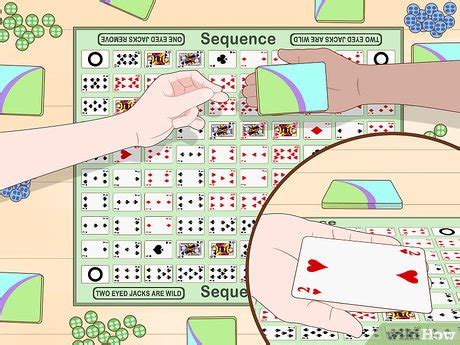
Give players safe environments to experiment with new mechanics without the immediate pressure of failure. This could be a dedicated practice mode, a sandbox area, or early-game levels with low stakes. Crucially, provide immediate and constructive feedback. If a player fails, explain why and suggest how to improve. Clear on-screen messages, visual cues (like health bars or damage numbers), and even optional in-game mentors or hint systems can empower players to understand their mistakes and learn from them. The goal is to encourage experimentation and reduce the fear of making wrong choices.
Conclusion: Building Bridges to Deeper Gameplay
Simplifying complex game mechanics for new players is an art that blends thoughtful design with pedagogical principles. It’s about respecting the player’s intelligence while guiding them through what might otherwise be an impenetrable fortress of rules. By focusing on progressive learning, intuitive interfaces, interactive tutorials, and supportive feedback, developers can create welcoming experiences that transform potential frustration into discovery. Ultimately, a well-simplified introduction doesn’t just onboard new players; it builds a lasting bridge for them to fully appreciate the rich, intricate worlds and systems that game designers pour their passion into creating.