How to simplify complex game mechanics for new player guides?
The Challenge of Complex Game Mechanics
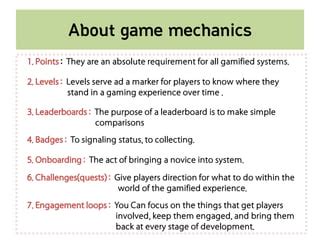
Many modern video games boast rich, intricate systems that offer deep strategic possibilities and endless replayability. However, this very complexity can be a significant barrier for new players. A poorly explained mechanic can lead to frustration, abandonment, and a missed opportunity for a potential long-term fan. Crafting guides that genuinely simplify these systems is not just about writing; it’s about empathetic design, understanding the new player’s mindset, and guiding them from novice to confident participant.
Understand Your Audience: The New Player’s Perspective
Before you begin simplifying, you must first understand who you’re speaking to. New players often come with varying levels of gaming experience, but generally, they lack specific knowledge of your game’s unique systems. They are looking for foundational understanding, not advanced strategies. Avoid assuming prior knowledge of genre conventions unless explicitly stating those assumptions. Tailor your language and examples to resonate with someone completely fresh to the experience.
Break Down Complexity into Digestible Chunks
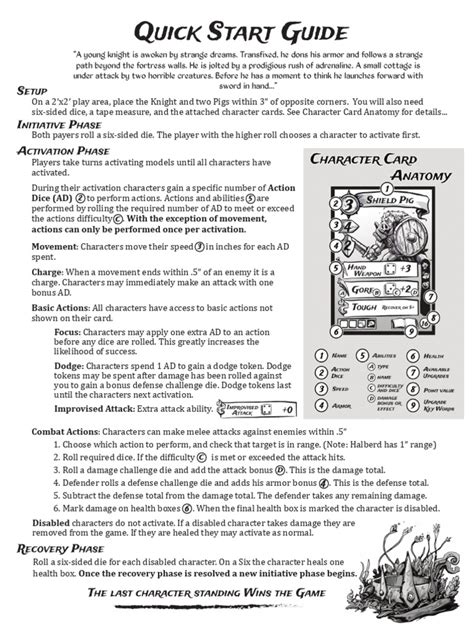
The cardinal sin of explaining complex mechanics is overwhelming the reader with too much information at once. Instead, adopt a layered approach, introducing concepts incrementally. Think of it like teaching someone to drive: you don’t start with parallel parking; you start with accelerating and braking.
Start with the Core Loop
Identify the absolute essential actions or systems a player needs to understand to begin playing and derive basic enjoyment. What is the fundamental cycle of play? Focus on this first, explaining it clearly and concisely.
Layer Information Gradually
Once the core is understood, you can introduce secondary mechanics, then tertiary ones. Each new layer should build upon previously explained concepts. Use internal links in your guide to allow players to revisit foundational explanations if needed.
Utilize Visuals and Analogies Effectively
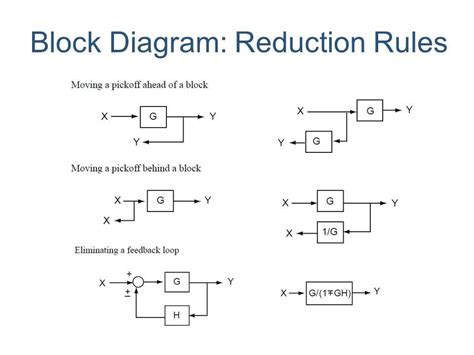
Text alone, no matter how well-written, can sometimes fall short when describing visual or interactive systems. This is where visuals become invaluable. Screenshots, diagrams, flowcharts, and even short animated GIFs can illustrate concepts far more effectively than paragraphs of text. When appropriate, use analogies to real-world scenarios or other well-known games to bridge the understanding gap. Connecting the unknown to the known can significantly accelerate comprehension.

Provide Practical, Hands-On Examples
Theory is only useful when it can be applied. A good guide doesn’t just explain what a mechanic is; it explains how to use it and why it matters. Walk new players through specific scenarios, step-by-step. For instance, instead of just saying “damage types have resistances,” provide an example: “When fighting Goblins (weak to Fire), use your Fireball spell for bonus damage, but avoid using it against the Lava Golem (resistant to Fire).” This makes the information immediately actionable.
![Scratch Tutorial: Step-by-Step Guide for Beginners [2024]🏓 Explore as ...](/images/aHR0cHM6Ly90czIubW0uYmluZy5uZXQvdGg/aWQ9T0lQLmVRVWNHdm5WYmFCZ0plZmIzSHBxREFIYUZBJnBpZD0xNS4x.webp)
Speak Their Language: Avoid Jargon and Acronyms
Every game, especially complex ones, develops its own lexicon. While this jargon is efficient for veteran players, it’s an impenetrable wall for newcomers. If a specific term (like “aggro,” “CC,” “AoE,” “kiting”) is absolutely necessary, explain it clearly upon its first mention. Better yet, try to rephrase it in simpler, more universally understood terms if possible. Clarity should always take precedence over conciseness when addressing new players.

Test, Iterate, and Gather Feedback
What makes perfect sense to you, the experienced guide writer, might be utterly confusing to a new player. The only way to truly know if your simplifications are effective is to test them. Have actual new players, ideally those unfamiliar with the game, read and try to follow your guides. Observe where they struggle, what questions they ask, and what they misunderstand. Use this feedback to refine and improve your explanations, making them ever clearer and more intuitive.
Conclusion
Simplifying complex game mechanics for new player guides is an art form that blends pedagogical principles with a deep understanding of game design. By focusing on the player’s perspective, breaking down information, leveraging visuals and practical examples, avoiding jargon, and continually testing your approach, you can transform daunting complexity into an accessible and enjoyable learning experience. A well-crafted guide doesn’t just teach the game; it invites players into a new world, empowering them to explore and master its intricacies with confidence.