How to simplify complex game mechanics for beginner guides effectively?

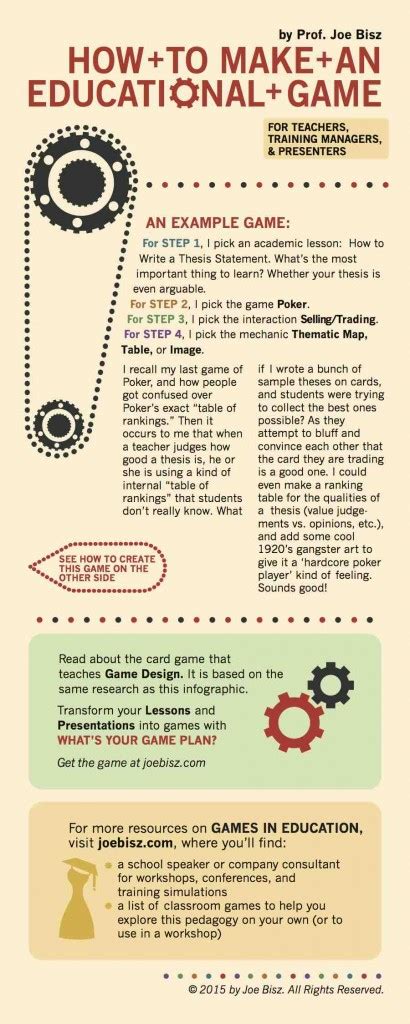
Creating beginner guides for games with intricate mechanics can be a daunting task. The goal isn’t just to explain what a system does, but to make it understandable and actionable for someone encountering it for the very first time. This requires a strategic approach to deconstruction, communication, and visual aid. Here’s how to simplify complex game mechanics effectively for beginner guides.
Understand Your Audience’s Starting Point
Before you even begin writing, identify who your beginner is. Are they new to gaming entirely, or just new to this specific game or genre? Their prior knowledge will dictate the level of detail and explanation required. Assume they know nothing about the mechanic you’re explaining, and perhaps even very little about common gaming conventions. Avoid making assumptions about their familiarity with game jargon or UI elements.

Break Down Complexity into Core Concepts
Complex mechanics are often a web of interconnected systems. Your first step should be to untangle this web. Identify the absolute core function or purpose of the mechanic. Explain this fundamental idea first, in isolation. Once the beginner grasps the core, you can gradually introduce layers of complexity, showing how different elements interact.
- Start with the ‘Why’: Why does this mechanic exist? What problem does it solve for the player?
- Isolate Key Variables: Identify the 2-3 most important factors that influence the mechanic.
- Build Incrementally: Don’t dump all information at once. Introduce one concept, explain it, then link it to the next.
Utilize Analogies and Metaphors
One of the most powerful tools for simplifying abstract concepts is the use of real-world analogies or metaphors. Relating a game mechanic to something familiar helps beginners quickly form a mental model. For instance, explaining a game’s ‘aggro’ system as ‘the monster getting mad at you’ or a resource management system as ‘balancing your checkbook’ can bridge the gap between game logic and intuitive understanding.
Employ Visual Aids and Concrete Examples
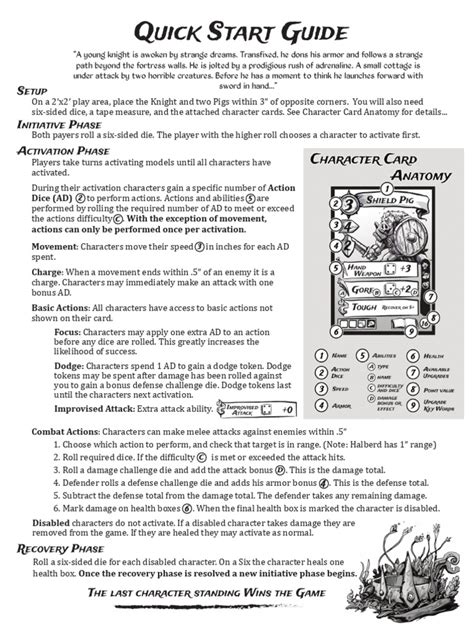
Text alone can often fall short when explaining visual or interactive mechanics. Integrate screenshots, diagrams, and short video clips (or descriptions of what to look for in a video) whenever possible. Show, don’t just tell. For every explanation, provide a concrete, step-by-step example using in-game scenarios. Highlight specific UI elements or effects beginners should look out for.
Structure for Readability and Flow
Even the best explanations can be lost in poorly structured content. Use clear headings, subheadings, bullet points, and numbered lists to break up text and make it scannable. Bold key terms and actions. Start paragraphs with topic sentences that clearly state the main idea. Ensure a logical flow from one concept to the next, building understanding progressively.
Avoid Jargon or Explain It Thoroughly
Every game has its own lexicon. While some terms are unavoidable, strive to use plain language wherever possible. If game-specific jargon is essential, introduce it clearly the first time it’s used, providing a concise definition. Consider creating a mini-glossary for frequently used terms within your guide.

Encourage Hands-On Practice (Even Virtually)
The best way to learn a game mechanic is to experience it. While a guide can’t always offer live interaction, you can simulate it. Encourage beginners to try specific actions in-game while following your guide. Describe the expected outcomes. Ask guiding questions that prompt them to observe and confirm their understanding.
Iterate and Solicit Feedback
Once you’ve drafted your guide, have actual beginners (not experienced players) read it and attempt to follow it. Observe where they get confused or stuck. Their feedback is invaluable for identifying areas where your explanations are still too complex or unclear. Don’t be afraid to rewrite sections based on this input.

Conclusion
Simplifying complex game mechanics for beginner guides is an art that blends clarity, empathy, and strategic communication. By thoroughly understanding your audience, breaking down concepts incrementally, leveraging analogies and visuals, and carefully structuring your content, you can transform intimidating systems into approachable, understandable experiences for new players, helping them embark on their gaming journey with confidence.