How to simplify complex game mechanics for absolute beginners in a quick-start guide?

The Beginner’s Dilemma: Navigating Complex Game Worlds
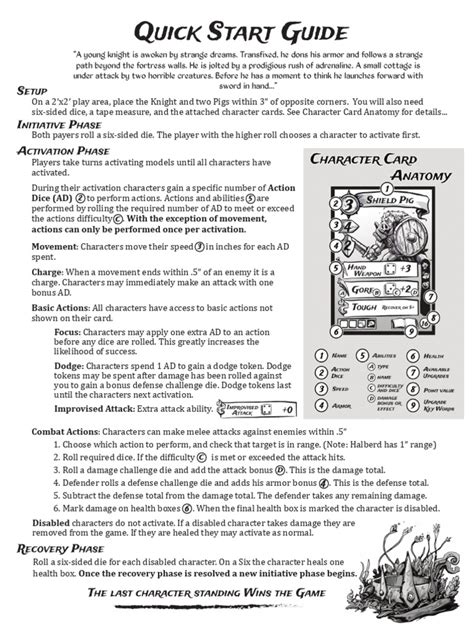
Many modern video games, while incredibly rich and rewarding, present a formidable barrier to entry for absolute beginners. Intricate combat systems, deep crafting mechanics, expansive skill trees, and multi-layered economies can overwhelm new players before they even complete the tutorial. The key to successful player onboarding lies in a well-crafted quick-start guide that simplifies these complex mechanics without diluting the core experience.
Creating such a guide isn’t about removing depth but rather about presenting it in an accessible, incremental fashion. Your goal is to get players engaged and understanding the absolute essentials, building confidence before introducing them to the game’s full complexity.

Core Principles for Effective Simplification
1. Focus on the Absolute Essentials First
Identify the bare minimum a player needs to know to take their first meaningful actions and progress. If a game has 10 combat abilities, teach only the first 2-3 basic ones. Introduce advanced concepts only when the player is ready or specifically seeks them out. Think of it as a layered learning experience, where each layer builds upon a solid foundation.
2. Use Analogies and Real-World Comparisons
Abstract game mechanics often become clearer when related to familiar concepts. Does your game have a resource management system? Compare it to managing a household budget. Is there a complex inventory system? Relate it to organizing a backpack for a trip. These comparisons bridge the gap between game logic and real-world understanding.
3. Visuals Over Walls of Text
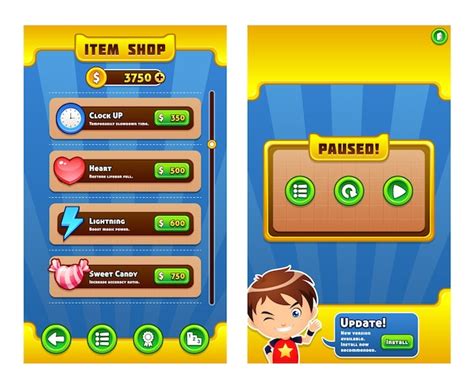
A picture is worth a thousand words, especially when explaining visual concepts like user interface (UI) elements or movement patterns. Use annotated screenshots, simple diagrams, or short GIFs (if your guide format allows) to illustrate points. Highlight specific buttons, show directional arrows, or demonstrate the flow of an interaction. This reduces cognitive load significantly.
4. Break Down into Bite-Sized Chunks
Avoid information dumps. Instead, break down each mechanic into its smallest, most understandable components. Each concept or instruction should be a small, digestible chunk. Utilize bullet points, numbered lists, and short paragraphs to make the information less daunting and easier to process.
5. Explain the ‘Why,’ Not Just the ‘How’
While showing players *how* to perform an action is crucial, explaining *why* that action is important or beneficial provides context and motivation. Understanding the purpose of a mechanic helps beginners internalize it and apply it effectively, rather than just mindlessly following instructions.
Crafting Your Quick-Start Guide: Practical Tips
1. Keep it Concise and Action-Oriented
A quick-start guide should be exactly that: quick. It’s not an exhaustive manual. Every sentence should either provide essential information or guide an action. Cut out any superfluous details that aren’t critical for immediate gameplay.
2. Prioritize Hands-On Learning
Encourage players to actually *do* what the guide is describing. If possible, integrate your guide with an in-game tutorial or suggest pausing the guide to try out a mechanic. Experiential learning cements understanding far better than passive reading.
3. Use Clear, Jargon-Free Language
Avoid game-specific jargon unless absolutely necessary, and if so, define it immediately. Use simple, direct language. Remember, your audience is an absolute beginner who might not understand common gaming acronyms or terms.
4. Structure for Skimmability
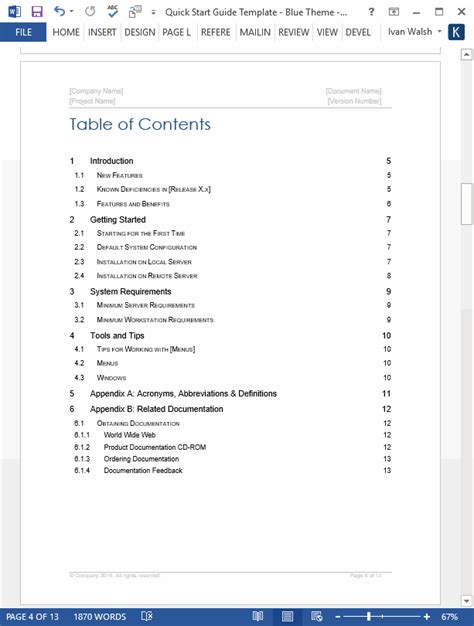
Beginners often scan guides looking for answers to specific problems. Use clear headings, subheadings, bold text for keywords, and bullet points to make your guide easy to skim and navigate. A well-structured guide empowers players to find what they need quickly without getting lost.
5. Address Common Pitfalls Early On
Anticipate where beginners commonly get stuck or confused and address these points proactively. A small troubleshooting section or ‘Common Beginner Mistakes’ can save immense frustration and keep players engaged.
Empowerment, Not Overload: The Goal of Your Guide
The ultimate goal of simplifying complex game mechanics for beginners is to empower them. You want them to feel capable, successful, and excited to explore more, not overwhelmed and discouraged. A great quick-start guide acts as a friendly mentor, providing just enough information to get them on their feet and ignite their curiosity for the deeper aspects of the game.
Test your guide with actual beginners. Observe where they struggle, what questions they ask, and what information they find most useful. Iteration based on feedback is crucial for creating a truly effective and welcoming experience.

By focusing on clarity, conciseness, and user experience, you can transform daunting game mechanics into approachable stepping stones, opening up your game to a wider audience and fostering a community of confident new players.