How to simplify complex game mechanics effectively in a beginner’s guide?
For many newcomers, the most daunting aspect of entering a new game world isn’t the challenge, but the sheer complexity of its underlying systems. Whether it’s a deep RPG with intricate skill trees, a strategy game with numerous unit interactions, or a fighting game with a vast move list, presenting these mechanics in an accessible way is paramount for a beginner’s guide to be truly effective. This guide will explore proven strategies to distill complex game mechanics into digestible, engaging content that empowers new players.
Understand Your Audience and the Core Mechanic
Before you even begin writing, identify who your target audience is. Are they complete gaming novices or experienced players new to a specific genre? This will dictate your language, the level of detail, and the assumptions you can make. Next, pinpoint the absolute core mechanic you need to explain. What is the single most important concept a player must grasp to even begin playing? Focus on this first, building outwards gradually.
Break It Down: Step-by-Step Explanation
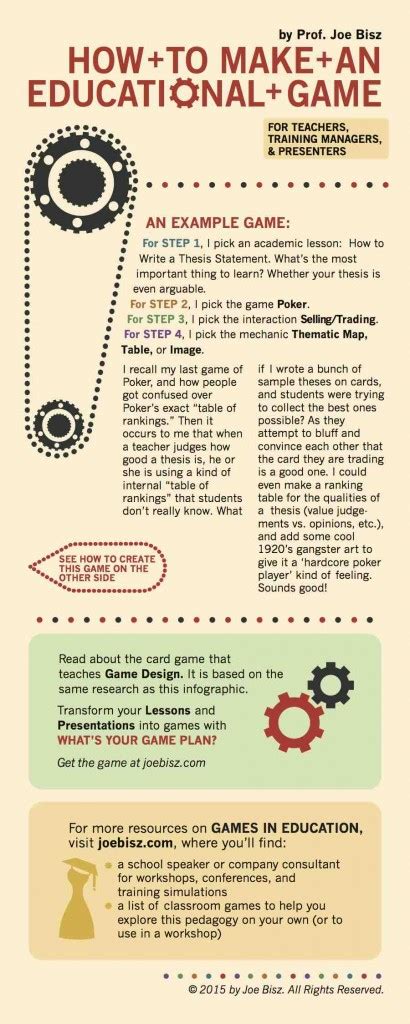
Complexity often arises from multiple interconnected steps. Your job is to disentangle these steps. Present information incrementally, starting with the simplest aspect and gradually introducing more nuanced layers. Think of it as a ladder, where each rung is a new piece of information that builds on the last. Using analogies to real-world concepts can be incredibly helpful here, making abstract game rules feel more intuitive. For example, comparing a game’s resource management to budgeting finances.
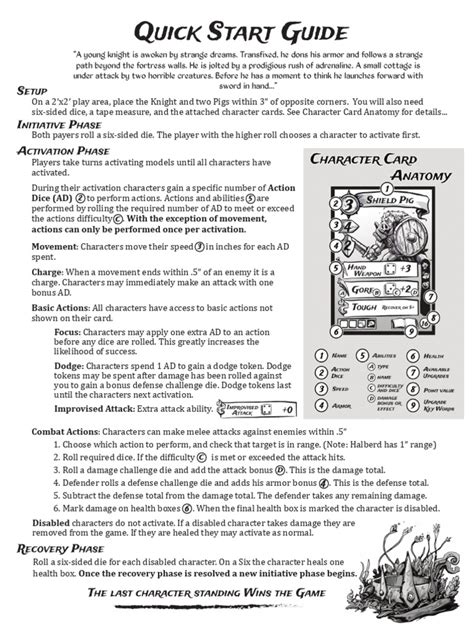
Clearly structured explanations, utilizing bullet points or numbered lists, can also significantly improve readability and comprehension. Instead of a dense paragraph, break down a combat rotation or an crafting recipe into easy-to-follow steps.

Visual Aids and Practical Examples
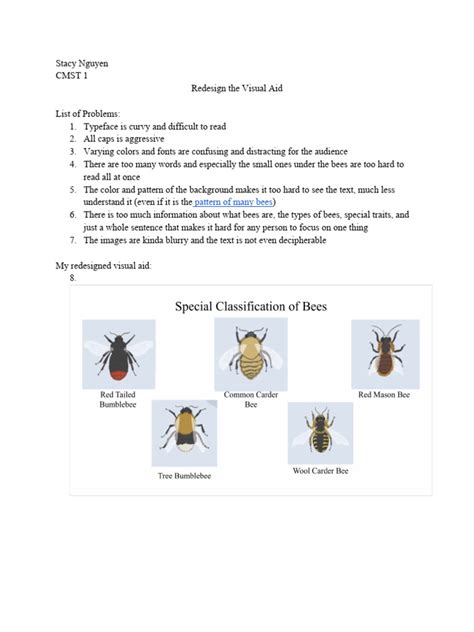
Text alone often isn’t enough, especially for visual learners. Integrate strong visual aids into your guide. While you can’t embed images directly, think about where a screenshot or diagram would be invaluable. When describing a menu, refer to its visual layout. When explaining a strategy, describe the on-screen action. Provide concrete in-game examples that illustrate the mechanic in action. Instead of saying “use your stun ability,” explain “when facing the shielded enemy, activate ‘Shield Bash’ (Q) to briefly stun them, allowing you to deal damage.”
The Power of Repetition and Reinforcement
Beginners rarely grasp a concept after a single explanation. Reinforce key mechanics by revisiting them in different contexts. Once you’ve explained a concept, challenge the reader to consider how it applies to a new situation. Encourage practice by suggesting specific in-game scenarios where they can try out the mechanic. A good guide doesn’t just inform; it also prepares the player to apply that knowledge effectively.
Avoid Jargon and Information Overload
Resist the urge to use game-specific jargon without first explaining it, or better yet, rephrasing it in plain English. Terms like “aggro,” “DPS rotation,” “kiting,” or “macro-management” are second nature to veterans but alien to new players. Furthermore, prioritize information. Don’t dump every single detail about a mechanic at once. Introduce essential information first, and then layer on advanced tips or exceptions later, perhaps in a separate “Advanced Tips” section if applicable. The goal is to build confidence, not overwhelm.
Simplifying complex game mechanics is an art form. It requires empathy for the new player, clarity of thought, and a commitment to incremental learning. By understanding your audience, breaking down concepts, utilizing practical examples, reinforcing knowledge, and avoiding unnecessary jargon, you can craft a beginner’s guide that truly unlocks the joy of a complex game for anyone willing to learn.