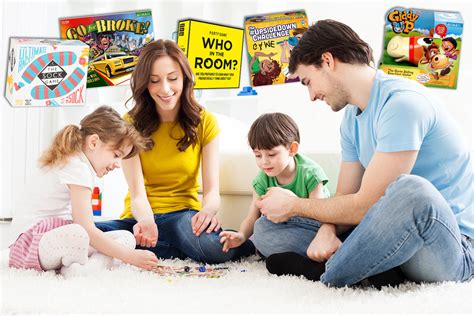
How to select family games genuinely fun for adults & kids?
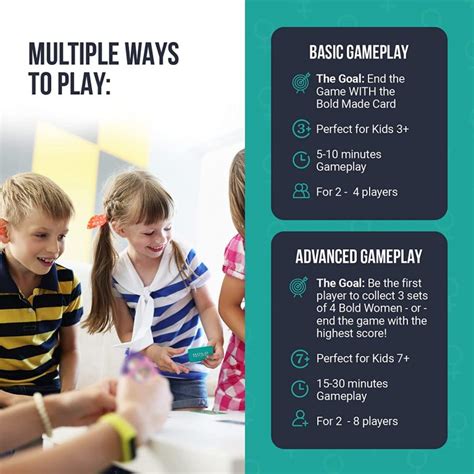
Gathering the family for game night is a cherished tradition, but the quest to find a game that genuinely delights both the youngest child and the most seasoned adult can sometimes feel like an impossible mission. Often, games geared towards kids leave adults feeling bored, while complex adult games can overwhelm or exclude younger players. The secret lies not in compromise, but in discovering games that offer multiple layers of engagement, ensuring everyone at the table finds joy.
The Quest for Common Ground: Bridging Age Gaps in Play
The challenge isn’t just about finding a game everyone can physically play; it’s about finding one that everyone *wants* to play. A truly great family game sparks laughter, encourages interaction, and creates shared memories, rather than simply occupying time. It’s about fostering genuine engagement across different cognitive and emotional developmental stages.
To achieve this, we need to understand the fundamental differences in what kids and adults typically seek in their playtime, and then identify the design elements that successfully bridge these desires.

Understanding What Each Age Group Seeks
Kids’ Perspective: Simplicity and Wonder
Younger players are often drawn to bright colors, tactile components, and themes that ignite their imagination. They thrive on simple, straightforward rules, quick turns that keep them engaged, and elements of luck that give everyone a chance to win. The joy of discovery and the immediate gratification of a fun action are often paramount.
Adults’ Perspective: Strategy and Engagement
Adults typically crave more strategic depth, meaningful decision-making, and opportunities for social interaction or friendly competition. They appreciate games with replayability, where each play session feels fresh and offers new challenges. The satisfaction often comes from mastering a strategy, outwitting opponents, or collaborating effectively.
Key Ingredients for Cross-Generational Fun
1. Easy to Learn, Hard to Master
This is the golden rule for family games. The core mechanics should be simple enough for a six-year-old to grasp in minutes, but the strategic possibilities should be deep enough to keep an adult engaged over many plays. Classic examples like Checkers or Chess embody this, but many modern board games also excel, offering accessible entry points with rewarding depth.
2. Engaging Themes and Universality
A theme that resonates across age groups is crucial. Avoid themes that are too childish for adults or too mature for kids. Universal themes like exploration, building, animals, or light fantasy tend to work well. Games that don’t rely heavily on specific knowledge (like trivia) also ensure everyone can participate equally.

3. Balanced Complexity and Player Agency
The game should offer enough meaningful choices to satisfy adults without overwhelming younger players. Look for games where the path to victory isn’t immediately obvious but also doesn’t require complex calculations. Some games achieve this with different strategies that can lead to victory, or by having a degree of luck that can level the playing field.
4. Interactive and Cooperative Elements
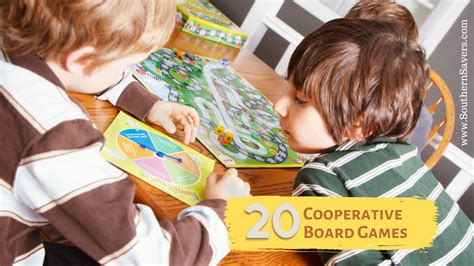
Games that encourage interaction, communication, and even cooperation can be immensely satisfying for all. Cooperative games, where everyone works together towards a common goal against the game itself, are fantastic for fostering teamwork and minimizing competitive pressure, making them ideal for mixed age groups.
5. Appropriate Playtime
A game that’s too long will lose the attention of younger kids, while one that’s too short might feel unfulfilling for adults. Aim for games with a playtime of 20-60 minutes. Many modern board games are designed with variable game lengths, allowing for shorter plays with younger children and longer, more strategic sessions when adults play.
Top Game Types to Explore for Family Fun
Cooperative Games
These games are fantastic for bridging age gaps because everyone is on the same team. Titles like Outfoxed! (for younger kids) or Forbidden Island and Pandemic: Hot Zone (for slightly older kids and adults) offer engaging challenges where success or failure is shared.
Dexterity Games
Games that rely on physical skill rather than complex strategy are often universally appealing. Jenga, Rhino Hero Super Battle, or Suspend are excellent choices that bring out competitive fun and laughter in all ages.
Strategy Games (Lighter Fare)
Look for ‘gateway’ strategy games that are renowned for their accessibility. Ticket to Ride (collecting sets to build routes), Carcassonne (tile-laying to build a landscape), and Kingdomino (dominoes with a twist) offer engaging strategic choices without overwhelming rule sets.
Party and Card Games
Many classic and modern card and party games are perfect for family gatherings. UNO, Sushi Go!, or even drawing games like Pictionary or Codenames: Pictures can provide quick, lively fun that adapts well to different age groups.
Tips for a Successful Family Game Night
1. Involve Everyone in the Choice
Let each family member have a say in which game to play or take turns choosing. This sense of ownership significantly increases enthusiasm.
2. Set Clear Expectations
Before starting, remind everyone that the goal is to have fun together, not just to win. For younger children, emphasize sportsmanship and learning.

3. Be Patient and Flexible
New games take time to learn. Be prepared to explain rules multiple times and don’t be afraid to house-rule minor adjustments to make the game more enjoyable for everyone, especially if a child is struggling.
4. Rotate Game Selection
To keep things fresh and ensure everyone gets to play their favorites, rotate through a selection of games. Build a small family game library that offers variety.
Conclusion: The True Victory is Togetherness
Selecting family games that genuinely appeal to both adults and kids isn’t about finding a unicorn; it’s about understanding the design principles that foster broad appeal. By prioritizing games with easy-to-learn rules, engaging themes, balanced complexity, and interactive elements, you can transform your game nights from a reluctant obligation into a joyous, eagerly anticipated event. The real win isn’t just a tally on a scoreboard, but the laughter, connection, and lasting memories you create together as a family.