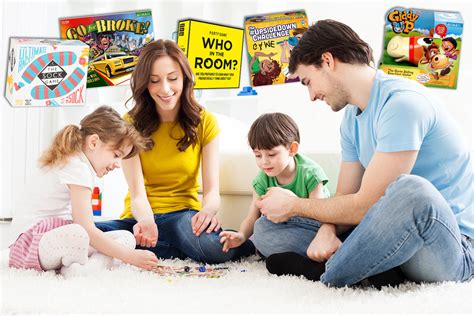
How to pick truly cozy, cooperative family games that prevent arguments?

Why Cooperative Games Are a Family Game Night Game-Changer
Family game nights are often envisioned as idyllic evenings of laughter and bonding. However, for many, they can quickly devolve into competitive squabbles, accusations of cheating, or frustrated tears. The culprit? Often, it’s the inherent win-lose nature of many traditional games. This is where cooperative games shine, offering a refreshing alternative where everyone works together towards a common goal. Instead of competing against each other, the family unites against the game itself, fostering teamwork, communication, and genuine camaraderie.
Moving beyond the stress of individual victory, cooperative games shift the focus from beating one another to a shared experience of problem-solving and collective success (or failure, which is also a shared experience!). This fundamental change in dynamic can transform a potentially fraught evening into a truly cozy, argument-free bonding opportunity.

What Defines a Truly Cozy, Cooperative Experience?
Not all cooperative games are created equal when it comes to preventing arguments and fostering coziness. To pick the best ones, look for specific characteristics:
- Shared Objective: The entire family wins or loses together. This eliminates individual blame and encourages group strategy.
- Low-Stress Mechanics: While challenges are good, games that involve highly punitive mechanics or extremely complex rules can still cause frustration. Look for those that offer clear paths to progress and recovery.
- Engaging Theme: A captivating story or theme can draw players in and make the cooperative effort more immersive and enjoyable, distracting from potential interpersonal friction.
- Active Participation for All: Every player should feel like their contributions are meaningful, regardless of age or skill level. Games that allow one dominant player to control everything can still lead to resentment.
- Positive Interaction: The game should naturally encourage communication, planning, and mutual support, rather than just taking turns in silence.
Key Factors When Choosing Your Next Family Game
With these characteristics in mind, here’s how to navigate the vast world of board games to find your perfect fit:
1. Age Appropriateness and Complexity
This is paramount. A game that’s too simple will bore older children and adults, while one that’s too complex will frustrate younger players and lead to confusion. Check the recommended age range on the box, but also consider your family’s collective gaming experience. Many cooperative games have adjustable difficulty settings, which can be a great feature.

2. Theme and Story Appeal
A game’s theme can make or break its appeal. Does your family love fantasy, space adventures, animal rescues, or mysteries? Choosing a theme that resonates with everyone will immediately increase engagement and excitement. A compelling narrative can also make ‘losing’ feel like a shared story rather than a personal defeat.
3. Mechanics that Foster Genuine Teamwork
Examine how the game forces cooperation. Do players need to share resources, combine unique abilities, or work together to solve puzzles? Games where players have distinct roles that complement each other are excellent for promoting teamwork and reducing arguments, as each person feels valued for their specific contribution.

4. Player Count Flexibility
Consider how many people typically participate in your family game nights. Some cooperative games shine with specific player counts, while others are more flexible. Make sure the game you pick comfortably accommodates your usual group size without feeling too crowded or too empty.
5. Replayability
A good cooperative game will offer variety from one play to the next. Look for games with modular boards, different scenarios, variable player powers, or random events that keep the experience fresh and exciting over multiple sessions, ensuring it doesn’t just gather dust after a few plays.
Setting the Stage for a Harmonious Game Night
Even with the perfect cooperative game, a little preparation goes a long way in ensuring a truly cozy and argument-free evening:
- Create the Atmosphere: Dim the lights, put on some background music (if it won’t distract), and have some comforting snacks and drinks ready. A relaxed environment sets a positive tone.
- Pre-Game Rules Discussion: Before starting, quickly review the main rules together, especially how winning and losing are handled. Emphasize that the goal is to have fun and work together.
- Encourage Communication: Remind everyone that talking through strategies and ideas is part of the game. Encourage active listening and respectful discussion of different approaches.
- Embrace Failure: In cooperative games, losing is part of the experience. Frame it as a learning opportunity and a chance to try again, rather than a defeat. It’s a shared journey, win or lose.

Conclusion: More Than Just a Game
Choosing truly cozy, cooperative family games is about more than just finding entertainment; it’s about investing in shared positive experiences that strengthen family bonds. By carefully selecting games that prioritize teamwork over competition, and by cultivating an environment of mutual support and fun, you can transform your family game nights into cherished, argument-free traditions. These games teach valuable lessons in communication, problem-solving, and empathy, making them an invaluable addition to any family’s repertoire. So gather your loved ones, pick your adventure, and enjoy the collaborative journey!