How to pick the best cozy family game for mixed ages & skill levels?

The Quest for Universal Fun
The challenge of finding a game that delights a five-year-old, engages a teenager, and still provides enjoyment for adults is a common one for many families. A truly “cozy” family game bridges these gaps, fostering connection and fun without frustration. It’s not just about what game you choose, but how you approach game night, ensuring everyone feels included and entertained.
Understanding Your Family’s Dynamics
Before diving into specific game types, take a moment to consider the unique composition of your family and what makes them tick. This introspection is the first step towards a successful game night.
The Age Spectrum
Consider the youngest player’s cognitive abilities and attention span. A game that’s too complex or long will quickly lose their interest. Conversely, the oldest player might crave more engaging strategy. The best games offer multiple layers of engagement, allowing different age groups to find their sweet spot.
Varied Skill Levels
Some family members might be seasoned gamers, accustomed to intricate rules and deep strategy, while others are casual players or complete novices. The ideal game should allow for different levels of engagement, providing enough challenge for experienced players without overwhelming beginners.

Key Factors to Consider When Choosing
Once you have a grasp of your family’s unique needs, you can apply these considerations to narrow down your options and find that perfect fit.
Game Type: Cooperative vs. Competitive
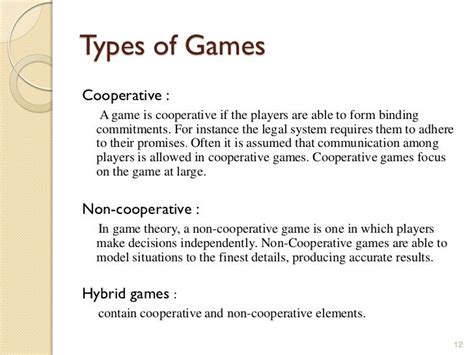
Cooperative games, where everyone works together against the game itself, are excellent for reducing tension and fostering teamwork, especially with mixed skill levels. They eliminate direct competition and encourage communication. Competitive games can be fun, but for mixed groups, choose those with simple rules, built-in catch-up mechanics, or elements of chance that can level the playing field.
Playtime and Complexity
A game that lasts too long can lose the attention of younger players or those with shorter attention spans. Similarly, overly complex rules might frustrate beginners. Aim for games with a clear objective and a reasonable playtime (e.g., 30-60 minutes). Games with modular rules or varying difficulty settings are a bonus.
Replayability and Theme
A game with high replayability ensures it won’t get boring after a few plays, offering different experiences each time. A theme that resonates with everyone – whether it’s fantasy, animals, or building – can also significantly boost engagement and immersion, making the experience more enjoyable for all.
Top Tips for a Successful Game Night
Beyond selecting the right game, how you facilitate the experience plays a huge role in its success.
Start Simple, Then Scale Up
When introducing a new game, especially with mixed ages, start with the basic rules. Don’t feel pressured to implement every advanced variant or optional rule from the start. You can always add complexity in future plays once everyone is comfortable.
Embrace Flexibility and House Rules
Remember, it’s a family game night, not a professional tournament. Be open to adjusting rules or letting younger players have a “helper” hand, extra turns, or an advantage to keep them engaged and prevent frustration. The goal is shared fun, not strict adherence to the rulebook.
Focus on Fun, Not Winning
Shift the emphasis from who wins or loses to the shared experience and the laughter. Celebrate funny moments, clever plays, and even epic fails. When the atmosphere is relaxed and joyful, everyone feels like a winner, regardless of the game’s outcome.

Characteristics of Great Mixed-Age Games
Look for games that naturally lend themselves to mixed groups. These often include:
- Low Barrier to Entry, High Ceiling: Easy to learn the basics, but offer depth for experienced players to explore.
- Elements of Chance: A bit of luck can level the playing field, giving younger or less experienced players a chance against seasoned veterans.
- Interactive Components: Games that encourage discussion, dexterity, storytelling, or creative thinking rather than just silent strategic planning are often more engaging for everyone.
- Clear Visuals & Components: Attractive, easy-to-understand game pieces and boards can draw everyone in.
Conclusion
Choosing the perfect cozy family game for mixed ages and skill levels doesn’t have to be a daunting task. By thoughtfully considering your family’s unique dynamics, focusing on key game characteristics like cooperation and appropriate complexity, and prioritizing shared enjoyment over competition, you can transform ordinary evenings into cherished memories filled with laughter, learning, and togetherness. Happy gaming!