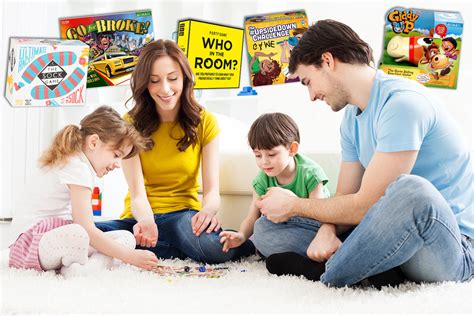
How to pick the best cozy family game for mixed ages and short attention spans?

Gathering the family for a cozy game night is a cherished tradition, but finding a game that truly delights everyone – from the youngest grandchild to the oldest grandparent, especially when attention spans vary – can be quite the quest. The perfect game needs to be simple enough for beginners, engaging enough for seasoned players, and quick enough to hold everyone’s interest. It’s about fostering connection and creating laughter, not frustration.
The Quest for Inclusive Fun
The challenge often lies in bridging the generational gap and accommodating different levels of experience and focus. A complex strategy game might lose the younger kids quickly, while a too-simplistic game might bore the adults. Short attention spans mean long setup times, intricate rules, or extended gameplay can derail the evening before it even truly begins. The goal is to find that sweet spot where everyone feels included, challenged, and entertained.

Key Criteria for Game Selection
To navigate the vast world of family games, consider these crucial factors:
1. Simplicity and Speed
- Easy to Learn: Look for games with rules that can be explained in under 5-10 minutes. Minimal reading and intuitive mechanics are key.
- Quick Playtime: Games that conclude within 15-30 minutes are ideal. This allows for multiple rounds, prevents fatigue, and offers easy stopping points.
- Fast Turns: Downtime between turns can kill engagement. Games where players are constantly interacting or where turns are very quick keep everyone focused.
2. Engaging Themes and Mechanics
While simplicity is important, the game still needs to be fun! Look for themes that appeal broadly – animals, nature, silly stories, or abstract concepts that don’t require deep lore knowledge. Mechanics that involve dexterity, pattern recognition, simple strategy, or cooperative storytelling tend to work well across ages.
![12 Best & Fun Restaurants in Emeryville (CA) [with Map] - The Tourist ...](/images/aHR0cHM6Ly90czMubW0uYmluZy5uZXQvdGg/aWQ9T0lQLmFZXzNQRFhQWkxKOENSMkUtUW1Qb2dIYUU4JnBpZD0xNS4x.webp)
3. Cooperative or Low-Conflict Play
Many families find cooperative games (where everyone works together towards a common goal) to be fantastic for mixed ages. They reduce competitive tension and encourage teamwork, making the experience more universally pleasant. If competitive, ensure player elimination is minimal or non-existent, so no one sits out for too long.
4. Minimal Setup and Quick Resets
A game that takes longer to set up than it does to play isn’t ideal for short attention spans. Look for games with few components, easy organization, and quick reset instructions. This reduces friction and gets you to the fun faster.
Game Types to Consider
Certain categories of games often excel in meeting these criteria:
- Dexterity Games: Games like Jenga (or similar stacking/balancing games) or flicking games are intuitive, visual, and often lead to spontaneous laughter.
- Memory or Pattern Recognition Games: Simple matching games, or those requiring quick observation, are great for leveling the playing field between young and old.
- Simple Card Games: Many classic and modern card games are portable, quick, and highly replayable.
- Storytelling Games: Collaborative storytelling prompts or games where players contribute to a shared narrative can be incredibly imaginative and inclusive.
- Real-Time Games: Games played simultaneously (like some dice-rolling or card-playing games) eliminate downtime and keep everyone on their toes.
Tips for a Successful Game Night
- Set Expectations: Let everyone know the goal is fun and togetherness, not necessarily winning.
- Rotate Games: If you have a few options, try playing a couple of different short games throughout the evening to keep things fresh.
- Designate a Rules Master: One person should be familiar enough with the rules to explain them clearly and answer questions.
- Snacks are Essential: A cozy atmosphere often includes comforting treats.

Testing the Waters
Before committing to a purchase, consider:
- Watching Playthrough Videos: Many board game channels on YouTube offer excellent explanations and demonstrations.
- Reading Reviews: Look for reviews that specifically mention mixed-age groups or suitability for younger players.
- Borrowing or Trying Demos: If possible, borrow from friends or check out local game cafes that have demo copies.
Finding the ‘best’ cozy family game is a journey unique to each family, but by focusing on simplicity, engagement, and inclusiveness, you’re well on your way to discovering those magical moments where generations connect, laugh, and create lasting memories around the game table.