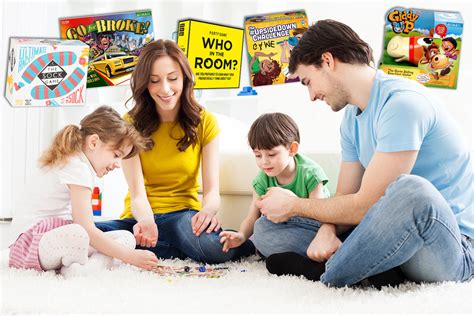
How to pick perfect cozy family games that engage kids and adults without arguments?
The Quest for Harmonious Family Game Night
Finding a game that truly captivates both a energetic six-year-old and a world-weary forty-year-old, all while preventing sibling squabbles or parental frustration, often feels like an impossible quest. Yet, the dream of a cozy family game night, filled with laughter and shared moments rather than bickering and eye-rolls, is a universal one. The secret lies not just in finding a ‘good’ game, but the ‘right’ game – one designed to bridge age gaps, encourage cooperation, and foster genuine engagement.

Defining “Cozy” and “Engaging” in Family Games
What Makes a Game Cozy?
A ‘cozy’ game isn’t necessarily about fuzzy blankets, though those certainly help! It’s about a low-pressure, inclusive atmosphere. Cozy games often feature:
- Simple, intuitive rules: Easy to learn, quick to teach, and no lengthy rulebook debates.
- Low stakes: Winning is fun, but not the ultimate goal. The experience matters more.
- Interaction over direct conflict: Encourages talking, planning, and laughing together, rather than cutthroat competition.
- Manageable playtime: Short enough to hold attention but long enough to feel satisfying.
Engaging All Ages: The Balancing Act
Engaging both kids and adults means striking a delicate balance. Children often gravitate towards bright colors, simple mechanics, and imaginative themes, while adults appreciate strategy, depth, and meaningful choices. The best family games cleverly weave these elements together:
- Simple rules, emergent strategy: Easy to grasp, but offers surprising depth as players gain experience.
- Elements of luck: Helps level the playing field, giving younger players a chance against more experienced adults.
- Multiple paths to victory: Allows different strategies to succeed, preventing one dominant player from always winning.
- Creative or narrative components: Encourages storytelling or imaginative play that appeals universally.

Types of Games That Bridge the Age Gap and Prevent Conflict
Cooperative Games: A United Front
Perhaps the most effective way to eliminate arguments is to make everyone part of the same team. Cooperative games have players working together against the game itself. This fosters teamwork, communication, and shared victories (or defeats!). Look for titles like Forbidden Island, Outfoxed!, or simpler versions of Pandemic.
Story-Driven & Imagination Games
Games that encourage imagination can be incredibly engaging. Dixit, for example, involves creative storytelling and interpretation of images, allowing everyone’s unique perspective to shine. Role-playing games or narrative-heavy board games can also immerse players in a shared world without direct competition.
Simple Strategy with Luck Elements
Games like Ticket to Ride or Carcassonne offer straightforward rules but provide interesting strategic choices. The addition of drawing cards or tiles introduces an element of luck, which can keep things unpredictable and give everyone a shot at winning.

Key Considerations for Picking Your Perfect Game
- Age Appropriateness: Always check the recommended age range, but also consider your family’s specific maturity levels and interests.
- Player Count Flexibility: Does the game play well with just three players, or does it shine with five? Choose games that fit your typical family size.
- Playtime and Replayability: Opt for games with a manageable playtime (30-60 minutes is often ideal) and enough variety to be played multiple times.
- Theme Appeal: A theme that resonates with everyone (animals, fantasy, space, building things) will immediately draw players in.
- Clear Rules and Minimal “Take-That”: Avoid games with overly complex rules that lead to disputes or mechanics that directly target and penalize other players, which can breed resentment.

Fostering a Positive Game Environment
Beyond the game itself, the atmosphere you create is crucial. Set expectations beforehand: emphasize fun over winning, encourage good sportsmanship, and remind everyone that mistakes are part of learning. Establish house rules if necessary – for example, no gloating, and offering help is encouraged. Remember, the goal is connection, not conquest.

Conclusion: More Than Just a Game
A perfectly chosen cozy family game is more than just entertainment; it’s a vehicle for bonding, communication, and creating lasting memories. By thoughtfully considering game mechanics, age appropriateness, and focusing on cooperative or low-conflict engagement, you can transform your family game nights into cherished traditions where laughter reigns supreme, and arguments are a distant memory. Happy gaming!