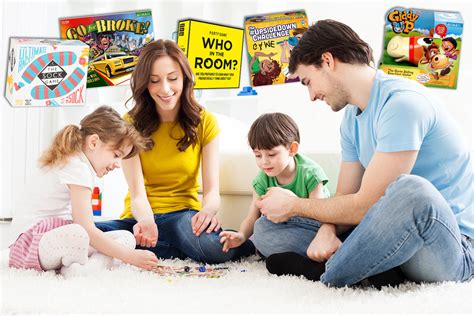
How to pick family games that intro non-gamers without overwhelming them?
Unlocking the Joy of Family Game Night for Everyone
Introducing board games or card games to family members who aren’t typically “gamers” can feel like a delicate mission. You want to share the fun, connection, and strategic thinking that games offer, but without overwhelming them with complex rules, lengthy playtimes, or intense competition. The good news is, with a thoughtful approach and the right game choices, you can successfully transform hesitant newcomers into enthusiastic participants.
The key lies in understanding what makes a game approachable and enjoyable for someone new to the hobby. It’s not about finding the “best” game, but the “right” game for your specific audience. Let’s explore how to choose games that act as perfect gateways to the wider world of tabletop fun.

Prioritizing Simplicity and Approachability
When selecting games for non-gamers, simplicity should be your guiding star. Avoid anything with a thick rulebook or a steep learning curve. The goal is to get playing within minutes, not hours of explanation. Look for games with:
- Minimal Setup: Games that are quick to get to the table.
- Intuitive Rules: Concepts that are easy to grasp and make immediate sense.
- Clear Objectives: Players should always know what they’re trying to achieve.
Think about games where actions are straightforward, and the decision space isn’t too vast. The fewer unique actions or phases per turn, the better. This allows new players to focus on the immediate fun rather than getting bogged down by mechanics.

Choosing the Right Type of Engagement
Cooperative Games for Shared Success
For many non-gamers, the competitive aspect of games can be a deterrent. Cooperative games, where everyone works together against the game itself, are fantastic introductions. They foster teamwork, reduce individual pressure, and allow experienced players to gently guide newcomers without feeling like they’re “telling them what to do.” Games like Forbidden Island or Pandemic (junior versions are even better) are excellent choices as they provide a shared challenge and a collective sense of accomplishment.
Familiar Concepts and Themes
Games that leverage familiar concepts, like set collection, pattern matching, or drawing, can also be easier to pick up. A game about cooking, animals, or space exploration might resonate more than an abstract strategy game if the theme is something they already find engaging. The visual appeal and thematic connection can help bridge the gap for new players.

Game Recommendations for Easy Entry
- Dexterity Games: Classics like Jenga or more modern options like Rhino Hero are all about physical skill and immediate fun. Rules are practically non-existent, and laughter is guaranteed.
- Simple Card Games: Beyond Uno, consider games like Sushi Go! (set collection, quick turns) or For Sale (easy auction mechanics). These offer surprising depth without complexity.
- Social Deduction/Party Games (Light): Games like Dixit (creative storytelling, beautiful art) or Codenames: Duet (cooperative word association) can be highly engaging and encourage conversation.
- Gateway Board Games: Ticket to Ride is often cited as a perfect gateway game due to its simple rules, clear objectives, and satisfying route-building. Carcassonne also offers easy tile-laying with surprising strategic depth.

Tips for a Smooth First Playthrough
Once you’ve chosen your game, how you introduce it is almost as important as the game itself.
- Set the Stage: Emphasize that it’s just for fun and learning, not intense competition.
- Teach by Playing: Don’t read the entire rulebook upfront. Explain the basic objective and the first few turns’ actions, then explain specific rules as they come up naturally during play.
- Be Patient and Encouraging: Answer questions calmly and celebrate small victories.
- Keep it Short: Aim for games that can be completed in 30-45 minutes max for initial sessions.
- Focus on Fun, Not Winning: Your primary goal is for everyone to have a good time, not to crush the competition.
Remember, the goal is to create a positive experience that makes them want to play again. A little patience and a lot of understanding will go a long way.

Building a Gaming Habit, One Step at a Time
Introducing non-gamers to tabletop games is a journey, not a sprint. Start with easy wins, celebrate the small moments of engagement, and gradually introduce slightly more complex options once they’ve built confidence and found what they enjoy. With the right approach, family game night can become a beloved tradition, bringing everyone closer through shared laughter and memorable experiences.