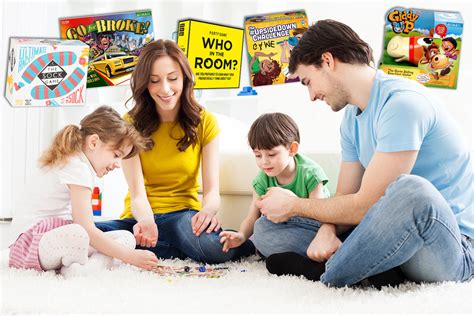
How to pick family games that avoid meltdowns and keep all ages playing happily?

The Quest for Harmonious Family Game Night
Family game nights are often envisioned as idyllic scenes of laughter and bonding, but for many, they can quickly devolve into squabbles, tears, or sheer boredom for one age group or another. The secret to a successful game night isn’t just about the game itself, but how well it fits your family’s unique dynamics and individual needs. Crafting a game collection that brings everyone to the table happily requires a thoughtful approach, focusing on key elements that promote engagement and prevent frustration.

Understand Your Family’s Unique DNA
Before you even look at game boxes, take a pulse on your family. Are your kids highly competitive, or do they wilt under pressure? Do you have a wide age gap, or are most players within a few years of each other? What are the typical attention spans? A family with a sensitive preschooler will need very different games than one with three boisterous teenagers. Consider individual personalities: who thrives on strategy, who prefers luck, and who just wants to laugh?
Open communication is also vital. Involve older children in the selection process, asking what kind of games they enjoy or dislike. Their input can be invaluable in finding a game that feels like a collective choice, not just an adult imposition.
Age-Appropriateness: The Golden Rule
This seems obvious, but it’s often overlooked. A game too complex for the youngest player will lead to confusion and frustration, while one too simplistic for older kids will quickly bore them. Look beyond the age recommendation on the box; it’s a guide, not a strict rule. Consider developmental stages:
- Young Children (3-6): Focus on simple rules, high luck, physical components, and short playtimes. Cooperative games or those with no reading required are ideal.
- Early School Age (6-9): Introduce simple strategy, more complex concepts, and games that encourage counting or matching. Still prioritize games with moderate playtimes.
- Pre-Teens (9-12): They can handle deeper strategy, longer games, and more competitive elements. Games that spark imagination or offer role-playing elements can be a hit.
- Teens and Adults: Almost any game is open, but consider their tolerance for complexity, length, and theme.

Cooperative vs. Competitive: Choosing Your Battleground
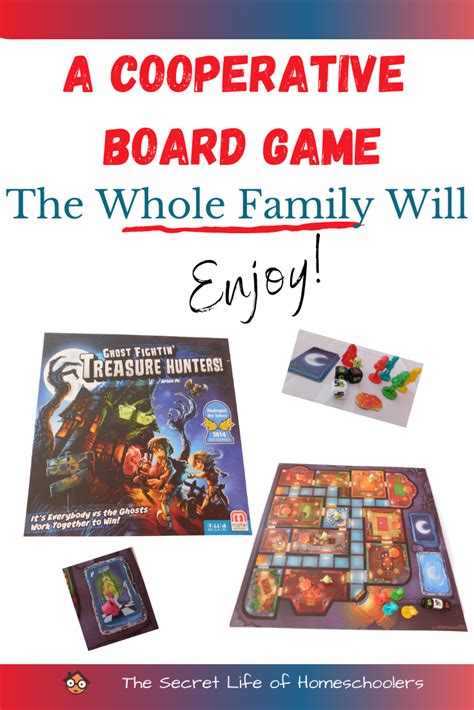
One of the biggest drivers of meltdowns is intense competition, especially when skill levels vary greatly. Cooperative games, where all players work together against the game itself, are fantastic for fostering teamwork, reducing sibling rivalry, and ensuring everyone feels like they’re on the same side. Titles like Pandemic (for older kids/adults), Forbidden Island, or Outfoxed! are excellent examples.
If competition is preferred, look for games with elements of luck that can level the playing field, or “catch-up” mechanics that prevent one player from dominating too early. Games where success isn’t solely dependent on one specific skill can also be less frustrating for diverse groups.
Consider Playtime and Complexity
A two-hour epic strategy game might be perfect for a Saturday afternoon with older kids, but it’s a recipe for disaster on a weeknight with younger children. Opt for games with shorter playtimes (15-30 minutes) if attention spans are limited, or if you want to play multiple rounds. Similarly, game rules should be easy to grasp and explain. A game that requires a 30-minute rule explanation will lose half your audience before you even start.
Look for games that offer depth without excessive complexity, or those with modular rules that allow you to simplify for younger players and add layers as they grow.
Embrace the Power of Simplicity and Laughter
Sometimes, the best games are the simplest ones that prioritize fun and interaction over deep strategy. Party games, drawing games, charades, or simple card games can be fantastic for breaking the ice and getting everyone laughing without the pressure of complex rules or intense competition. These games are often excellent fillers between more involved sessions or perfect for ending a game night on a high note.

Trial, Error, and Setting Expectations
Not every game will be a hit, and that’s perfectly normal. Don’t be afraid to try new things and accept that some will fall flat. When introducing a new game, set clear expectations: explain the rules patiently, model good sportsmanship, and emphasize that the goal is fun, not just winning. Be willing to pivot if a game isn’t working – it’s better to stop and try something else than to force an unhappy experience.
Creating a positive game night atmosphere is just as important as the game itself. Have snacks, play some background music, and make it clear that the most important thing is spending time together. Remember, the goal is to build cherished memories, not just to finish a game.

Conclusion
Choosing family games that foster joy and avoid meltdowns is an art, not a science. By understanding your family’s unique needs, prioritizing age-appropriateness, considering game mechanics, and being open to trial and error, you can curate a collection of games that become cornerstones of cherished family time. With a little foresight and a lot of fun, your family game nights can truly be a source of connection and happiness for everyone, from the youngest player to the oldest.